Automated food packaging systems have become crucial in the food industry. These systems streamline production and enhance efficiency. According to John Mark, a leading expert in food technology, "Automated packaging reduces labor costs and improves product freshness." This insight highlights the significant advantages of automation.
The benefits of these systems extend beyond mere cost savings. They promote consistency in product quality, which is essential for consumer trust. Automated systems minimize human error, ensuring that each package meets industry standards. Furthermore, they can adapt to various types of food products, making them versatile across different markets.
However, the transition to automation is not without challenges. Companies must invest in technology and training. There can be a learning curve for staff. Despite these obstacles, the question remains: what are the benefits of automated food packaging systems? Clearly, the advantages, such as increased efficiency and consistent quality, outweigh the initial hurdles.
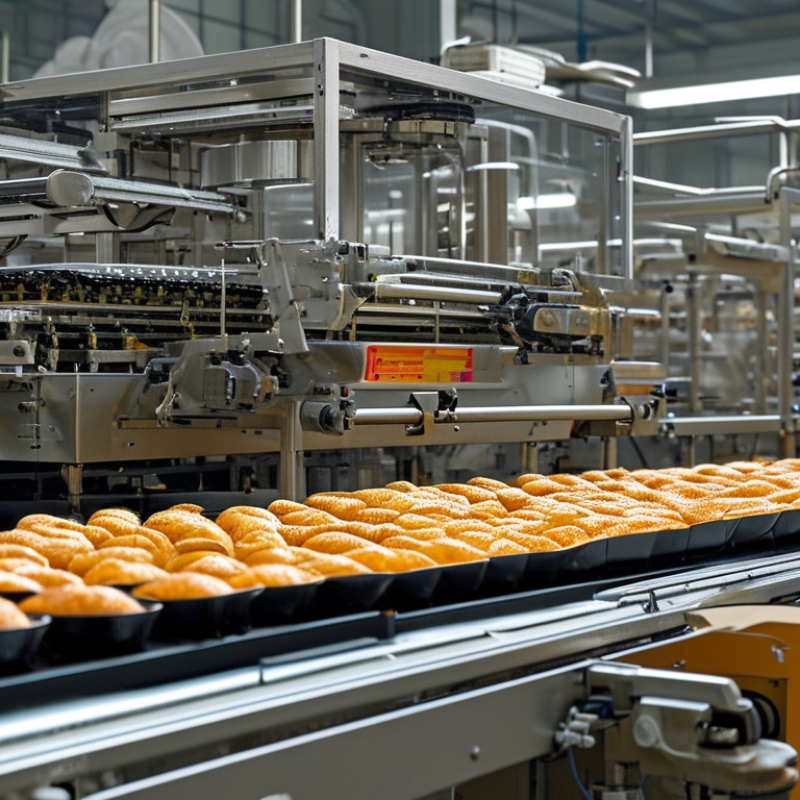
Overview of Automated Food Packaging Systems
Automated food packaging systems represent a significant advancement in the food industry. These systems enhance efficiency by using robots and machines to streamline the packaging process. Reports indicate that the global automated packaging market is expected to reach $75 billion by 2027, growing at a rate of 4.7% annually. This growth reflects the increasing demand for speed, precision, and food safety.
One key benefit is the reduction of human error. Automation minimizes the risk of contamination, leading to safer food products. A study found that automated systems can reduce packaging errors by up to 25%. Additionally, these systems can improve consistency in packaging size and quality. This is crucial for maintaining brand reputation and customer satisfaction.
However, not all aspects of automation are perfect.
There's an ongoing debate about job displacement in the industry. While automated systems increase productivity, they can replace some manual jobs. This raises questions about training and reskilling workers for new roles. Balancing automation benefits with workforce impact is a challenge that requires thoughtful consideration.
Improvement of Efficiency in Food Packaging Processes
Automated food packaging systems significantly enhance efficiency in food packaging processes. A report by Grand View Research indicates that the global automated food packaging market is projected to reach $50 billion by 2025. This growth reflects a rising demand for streamlined operations and reduced labor costs in the food industry.
One major benefit of these systems is the speed they provide. Automated machines can package products 24/7, far outpacing manual labor. For instance, a single automated line can handle thousands of units per hour. This change reduces the time to market, allowing companies to respond quickly to consumer demands. However, transitioning to automation isn’t always smooth. Training staff on new technologies can pose challenges, and initial investments can be significant.
Moreover, automation increases precision in packaging. Machines minimize human error, resulting in fewer spoilage incidents. According to a study by the Food Automation & Manufacturing Conference, automation can cut waste by up to 20%. Yet, the reliance on technology can also backfire. Any technical malfunction may lead to production downtimes, affecting overall efficiency. Balancing technology with human oversight remains a crucial point for many businesses.
Reduction of Operating Costs with Automation
Automated food packaging systems present significant opportunities for cost reduction. A recent report by ResearchAndMarkets indicates that automation can lower operational costs by up to 30%. This reduction primarily stems from decreased labor expenses and enhanced efficiency. Automated systems can operate continuously without the fatigue associated with human labor. This leads to higher output rates and more consistent packaging quality, which ultimately reduces product waste.
The labor market is increasingly challenging. Finding skilled workers for repetitive tasks can be both time-consuming and costly. In contrast, automated systems require minimal human intervention. According to a study by the Food Automation and Manufacturing Association, companies that implemented such technology reported a significant decline in labor-related issues. Yet, automation is not a complete fix. Initial investment costs for these systems can be high. Small businesses may struggle to justify these expenses, despite the long-term savings.
Understanding the limitations is crucial. While automation can enhance efficiency, it cannot entirely replace human oversight. Issues like equipment malfunctions or need for maintenance still require attentive staff. Thus, while automated food packaging systems can streamline operations and cut costs, they must be integrated thoughtfully into existing workflows to realize their full potential.
Enhancing Food Safety and Quality Control
Automated food packaging systems offer significant advantages, particularly in enhancing food safety and quality control. These systems streamline processes, reducing the risk of human error. They ensure consistent packaging, which is crucial for maintaining hygiene standards. This consistency helps prevent contamination during packaging, safeguarding the food supply chain.
Effective temperature control is vital. Automated systems can monitor and adjust conditions in real time. This capability helps maintain the freshness of perishable goods. As a result, the shelf life of products is extended, and food waste is minimized. Accurate labeling is another critical area. Automated systems provide precise information on ingredients and expiration dates, allowing consumers to make informed decisions.
Tips: Consider adopting sensors that detect leaks or contamination in packaging. These enhancements can catch issues before they escalate. Regular maintenance of the automated systems is key. Addressing minor technical issues promptly helps avoid larger malfunctions. Finally, training staff on how to manage these systems ensures optimal use. Even the best technology requires attentive handling.
Sustainability Benefits of Automated Packaging Solutions
Automated food packaging systems offer significant sustainability benefits. These systems minimize waste by optimizing material usage. With precise measurements, less packaging is used, which directly reduces environmental impact. This efficiency is essential as the world faces rising waste levels. Moreover, automation often leads to better recycling practices. Packaging materials can be selected for their recyclability, making the entire process more eco-friendly.
In addition to waste reduction, automated packaging reduces energy consumption. These systems often require less manual labor, leading to lower energy costs. They can operate at high speeds, which reduces the time products spend in the system. Efficient energy use contributes to a smaller carbon footprint.
Tips: Consider integrating biodegradable materials into your packaging solutions. This can further enhance sustainability. Regularly assess your packaging strategy to identify areas for improvement. Small adjustments can lead to significant environmental benefits. Always stay informed about new sustainable practices in packaging.
Benefits of Automated Food Packaging Systems
| Benefit |
Description |
Environmental Impact |
| Reduced Material Waste |
Automated systems ensure precise cutting and packaging, minimizing excess material use. |
Lower landfill contributions and better use of resources. |
| Improved Efficiency |
Faster packaging speeds reduce energy consumption per unit. |
Decreased carbon footprint in production processes. |
| Consistent Quality |
Automation reduces human error, ensuring product quality and safety. |
Less food waste due to better quality control. |
| Labor Savings |
Decreased labor costs as fewer workers are needed for packaging tasks. |
Reduction in labor-related environmental impacts. |
| Enhanced Sustainability |
Use of eco-friendly materials and processes in automated packaging systems. |
Promotion of sustainable practices in the food industry. |
Conclusion
Automated food packaging systems offer numerous advantages that significantly enhance food processing and distribution. First, they greatly improve efficiency by streamlining packaging operations, allowing manufacturers to process larger quantities in less time. This increase in productivity can lead to higher output levels and faster time-to-market for food products. Additionally, these systems contribute to a reduction in operating costs by minimizing labor needs and optimizing resource usage, which ultimately increases profitability.
Moreover, what are the benefits of automated food packaging systems can also be seen in their role in enhancing food safety and quality control. Automation reduces human error and ensures consistent packaging standards, which helps maintain product integrity and prolong shelf life. Furthermore, many automated solutions incorporate sustainable practices, such as reduced material waste and energy consumption, aligning with modern environmental goals. Overall, the integration of automated packaging technology is transforming the food industry for the better.

 Nexa Machine