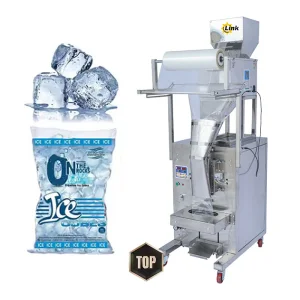
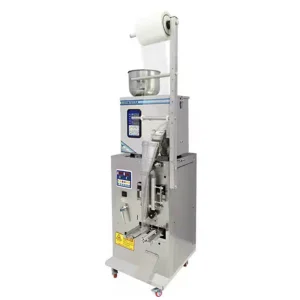
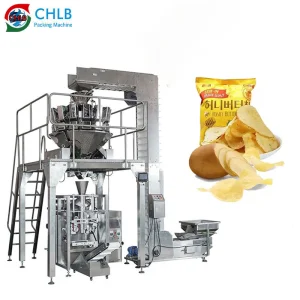
Explore our leading selection of industrial-grade vertical packaging machines, combination scale weighers, and customized sachet packers.
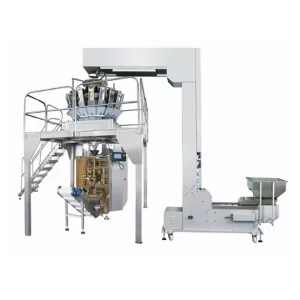
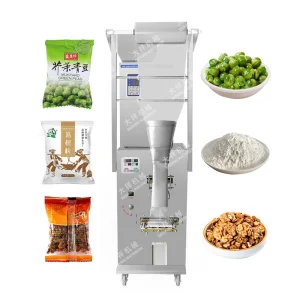
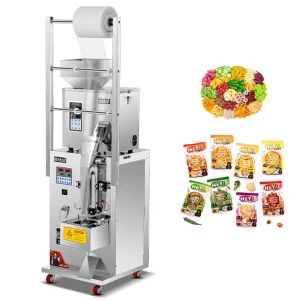
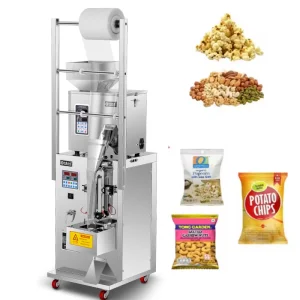
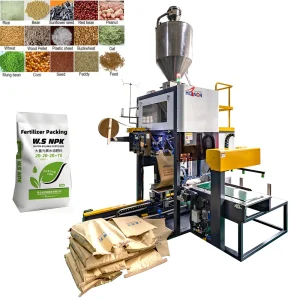
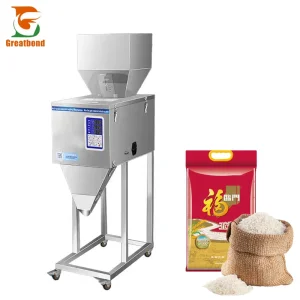
In the modern industrial manufacturing ecosystem, the packaging of granular products has graduated from basic manual volumetric filling to highly automated, cyber-physical processing lines. Granule packaging machine factories worldwide are transitioning rapidly towards Industry 4.0 integration, driven by demands for micro-precision weighing, elevated hygiene control, and maximum Overall Equipment Effectiveness (OEE).
From raw granular foodstuffs like nuts, rice, and confectionery to complex chemical components and industrial plastics, packaging technology must satisfy both strict regulatory landscapes and extreme market dynamics. To gain an operational edge, procurement directors seek manufacturing partners capable of delivering machinery with enhanced information gain—meaning packaging lines embedded with smart sensors, real-time diagnostic reporting, and predictive maintenance algorithms.
"The modern packaging environment demands more than speed. True efficiency lies in system calibration, reducing material giveaway to sub-gram levels, and minimizing downtime during film roll changeovers or washdowns."
Globally, the food packaging industry is responding to three core pressures: shifting labor dynamics, escalating raw material costs, and strict environmental demands. System engineers are redesigning dosing mechanisms—specifically volumetric cups and multihead weighers—to integrate digital signal processing (DSP) to achieve high weighing accuracies (±0.1g to ±1.5g depending on the granule size).
Simultaneously, the demand for sustainable material runnability has altered seal-jaw architecture. Modern factories are building vertical form-fill-seal (VFFS) systems that handle ultra-thin, compostable, or mono-polymer films with the same sealing integrity as traditional multi-layered co-extruded plastic laminates.
Fully enclosed sanitary pathways compliant with EHEDG and FDA standards to prevent cross-contamination.
HMI controls displaying continuous diagnostics, production speed, error logs, and recipe storage capacity.
Industrial benchmark achievements of Nexa’s packaging lines installed globally.
Selecting the right granule packaging machine factory involves analyzing more than just unit costs. Sourcing strategies now prioritize supply chain resilience—the capacity of a manufacturing cluster to absorb geopolitical fluctuations, shipping volatility, and component shortages without delaying deliveries.
Ningbo, China, has emerged as a premier epicentre for packaging machinery production. The geographic proximity of specialized CNC machining shops, high-precision metallurgy foundries, electrical component logistics hubs, and international deep-water ports (Ningbo-Zhoushan) reduces manufacturing lead times significantly. A domestic supply network allows Chinese factories to customize machines under OEM/ODM structures in half the time compared to Western European counterparts.
Procurement professionals evaluating factories must look at three critical indices:
Ningbo Nexa Machine Co., Ltd. is a leading China food packaging machine manufacturer specializing in the design, development, production, and supply of automatic packaging systems and integrated packaging solutions for the global food industry. With years of industry expertise and a commitment to technological innovation, Nexa Machine delivers reliable, efficient, and intelligent packaging equipment to customers worldwide.
Our extensive product portfolio includes vertical form fill seal machines, vacuum packaging machines, pouch packaging systems, tray sealing machines, thermoforming packaging machines, sachet packaging machines, flow wrapping machines, cartoning machines, weighing and filling systems, and fully automated packaging lines. These solutions are widely used in the packaging of snacks, frozen foods, bakery products, confectionery, dairy products, powders, granules, liquids, pet food, and other food applications.
Driven by innovation, Ningbo Nexa Machine continuously invests in advanced manufacturing technologies and research and development capabilities. Our experienced engineering team develops high-performance packaging equipment featuring intelligent control systems, precise filling accuracy, stable operation, energy efficiency, and user-friendly interfaces to meet diverse production requirements.
Quality is the foundation of our success. Every machine is manufactured under strict quality control procedures and undergoes comprehensive testing before delivery to ensure outstanding reliability, safety, and long-term performance. In addition, we offer flexible OEM and ODM services, providing customized packaging solutions tailored to customers' specific production needs.
Serving clients across Europe, North America, South America, Southeast Asia, the Middle East, and Africa, Ningbo Nexa Machine Co., Ltd. has established long-term partnerships with food manufacturers, distributors, and industrial integrators worldwide.
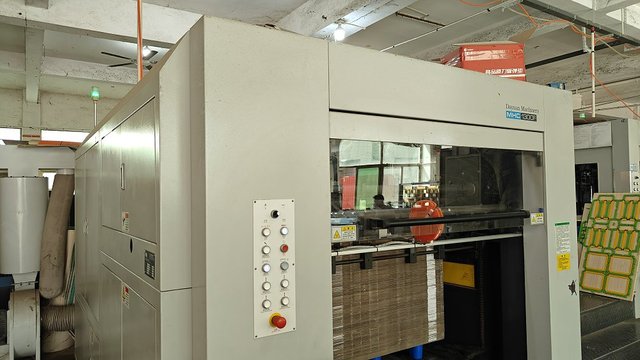
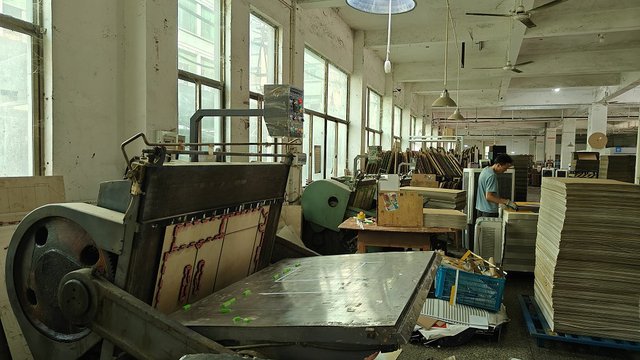
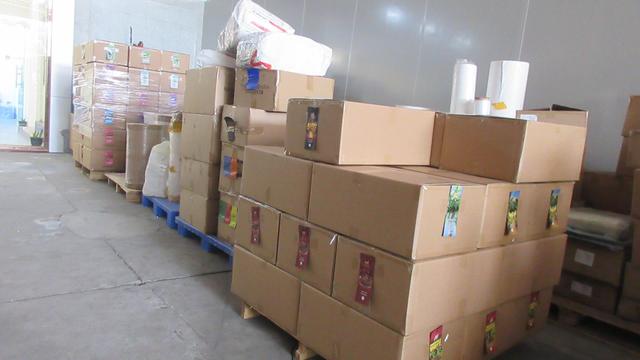
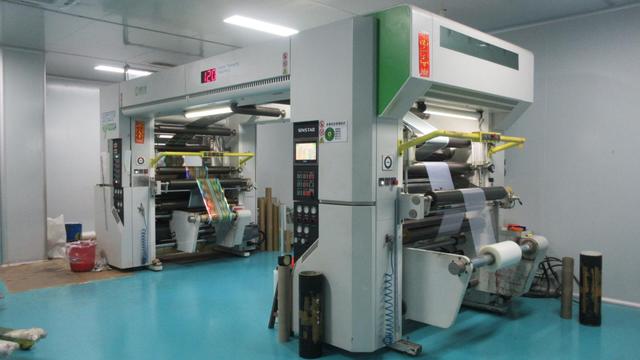
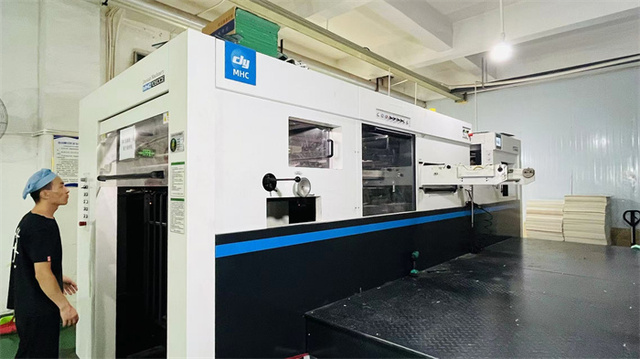
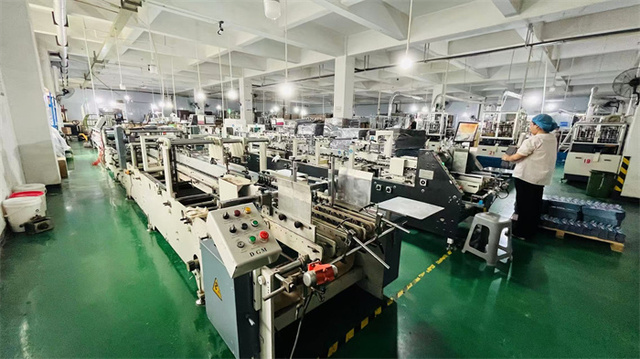
Achieving optimum packing speed and seal integrity relies on selecting the appropriate dosing and bag-forming system. The physical properties of the granule—such as flowability (angle of repose), hygroscopicity, density variations, and fragile properties—dictate the mechanical engineering requirements.
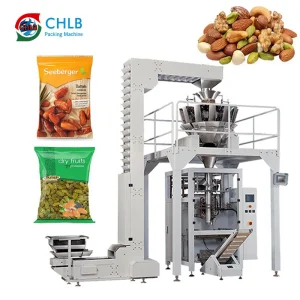
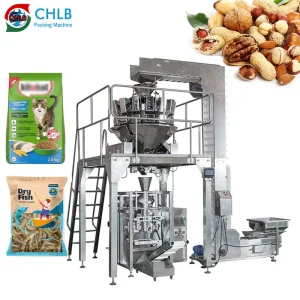
For uneven or high-value granules like nuts, frozen foods, chips, and coffee beans, multihead weighers are the industry standard. By dispersing product across 10, 14, or 24 individual load cell hoppers, the computer processes thousands of weight combinations in milliseconds to output the target package weight.
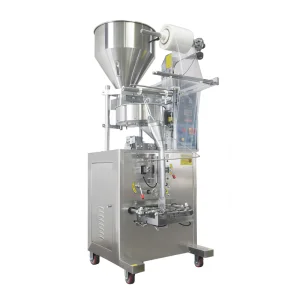
For free-flowing, low-value granules of uniform size (e.g., sugar, rice, salt), volumetric cup fillers provide high throughput speeds at a lower capital expenditure. However, volumetric filling is susceptible to density changes, which can lead to higher product giveaway.
The VFFS machine transforms flat roll stock film into a finished bag. A synchronized system controls the film pull belts, forming tube, vertical seal bar, and horizontal end-seal jaw. Modern high-speed machines employ:
Critical operational inquiries for engineering and procurement teams.
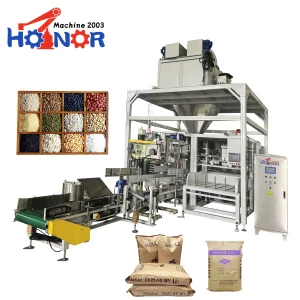
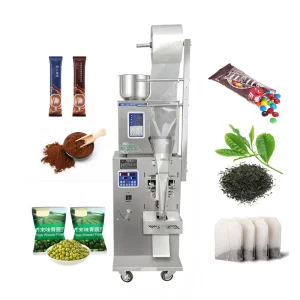
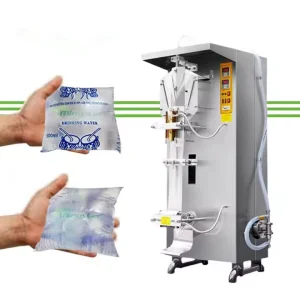
High-throughput bag packing lines and specialized machinery for various bag formats and industrial scales.
 Nexa Machine