In the contemporary logistics ecosystem, secondary packaging plays an essential role in preserving product safety and enhancing display aesthetics. Shrink wrapping machinery is a cornerstone technology for modern production lines. By applying controlled thermal energy to specialized thermoplastic films like polyolefin (POF), polyethylene (PE), or polyvinyl chloride (PVC), these systems create tight, durable barriers that protect goods from environmental degradation, dirt, moisture, and unauthorized access.
Industrial operations worldwide are shifting from manual and semi-automatic systems to fully inline, high-speed automated shrink wrapping lines. This shift is driven by the need to minimize labor costs, optimize materials usage, and maintain high throughput. Modern systems incorporate multi-axis servo motors, smart temperature controls, and advanced sealing systems to run continuously with minimal human intervention. As supply chains grow more complex, shrink wrapping equipment has transitioned from basic packaging machines into smart, connected systems essential for business operational resilience.
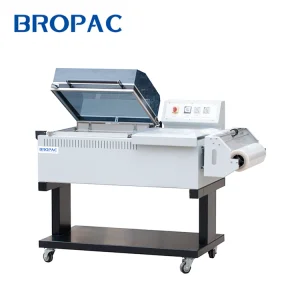
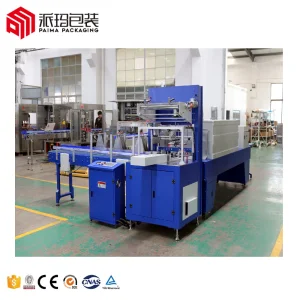
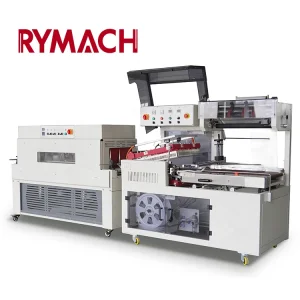
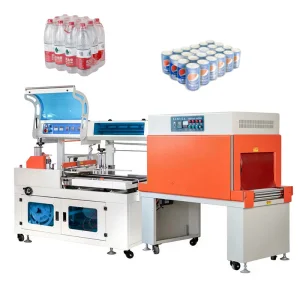
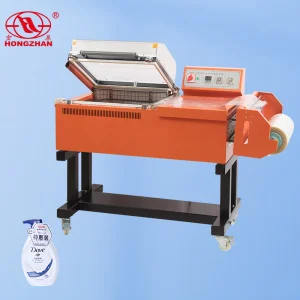
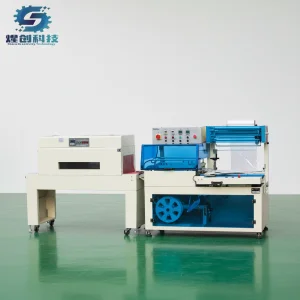
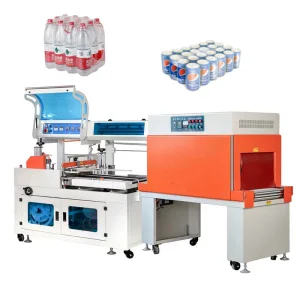
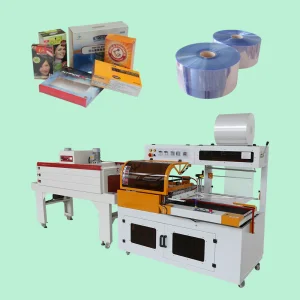
To understand the high efficacy of contemporary shrink packaging systems, one must examine their thermal and mechanical engineering principles. Modern shrink wrappers consist of two key components: the sealing mechanism (such as L-bar, continuous side-sealer, or sleeve wrapper) and the thermal shrink tunnel. The seal bars use micro-processor PID temperature loops to cut and seal the film without burning or leaving residue. Continuous-motion side sealers eliminate the speed bottlenecks of traditional reciprocating seal bars, allowing for packaging speeds of over 120 packs per minute.
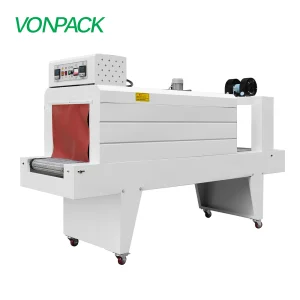
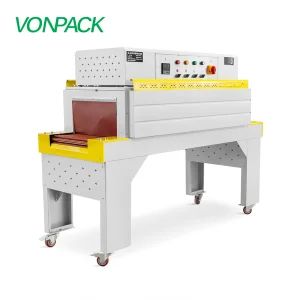
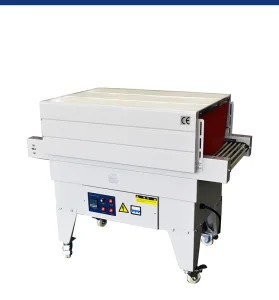
In the shrink tunnel, airflow dynamics and temperature control are critical. Air circulation ensures uniform heat distribution over the film, causing the polymer chains to contract evenly. This prevents uneven tension or ballooning effects, ensuring consistent package presentation. These details are vital for high-volume consumer goods, where package appearance directly impacts retail shelf presence.
Dual-chamber air regulation prevents hot spots, ensuring uniform shrink results.
Integrates PLC interfaces with real-time diagnostic systems for easy operation.
Optimized servo-driven cutting assemblies deliver fast, clean cycles.
As a key manufacturing hub for packaging machinery, China offers significant cost-to-performance and operational benefits. Factories in regions like Ningbo leverage integrated industrial clusters. This concentration simplifies sourcing for precision steel, high-performance electronics, pneumatic systems, and structural casting, allowing for competitive pricing without compromising quality. Ningbo Nexa Machine Co., Ltd. uses this setup to manufacture machinery that meets demanding international standards, including CE and UL compliance.
Additionally, the concentration of engineers in China speeds up product development cycles. Customized designs, such as adapting standard machinery for complex dimensions, wet food processing, or chemical environments, can be realized quickly. These fast turnarounds, combined with reliable quality control and export access through major deepwater ports, make Chinese suppliers key partners in the global packaging sector.
Ningbo Nexa Machine Co., Ltd. is a leading China food packaging machine manufacturer specializing in the design, development, production, and supply of automatic packaging systems and integrated packaging solutions for the global food industry. With years of industry expertise and a commitment to technological innovation, Nexa Machine delivers reliable, efficient, and intelligent packaging equipment to customers worldwide.
Our extensive product portfolio includes vertical form fill seal machines, vacuum packaging machines, pouch packaging systems, tray sealing machines, thermoforming packaging machines, sachet packaging machines, flow wrapping machines, cartoning machines, weighing and filling systems, and fully automated packaging lines. These solutions are widely used in the packaging of snacks, frozen foods, bakery products, confectionery, dairy products, powders, granules, liquids, pet food, and other food applications.
Driven by innovation, Ningbo Nexa Machine continuously invests in advanced manufacturing technologies and research and development capabilities. Our experienced engineering team develops high-performance packaging equipment featuring intelligent control systems, precise filling accuracy, stable operation, energy efficiency, and user-friendly interfaces to meet diverse production requirements.
Quality is the foundation of our success. Every machine is manufactured under strict quality control procedures and undergoes comprehensive testing before delivery to ensure outstanding reliability, safety, and long-term performance. In addition, we offer flexible OEM and ODM services, providing customized packaging solutions tailored to customers' specific production needs.
Serving clients across Europe, North America, South America, Southeast Asia, the Middle East, and Africa, Ningbo Nexa Machine Co., Ltd. has established long-term partnerships with food manufacturers, distributors, and industrial integrators worldwide.
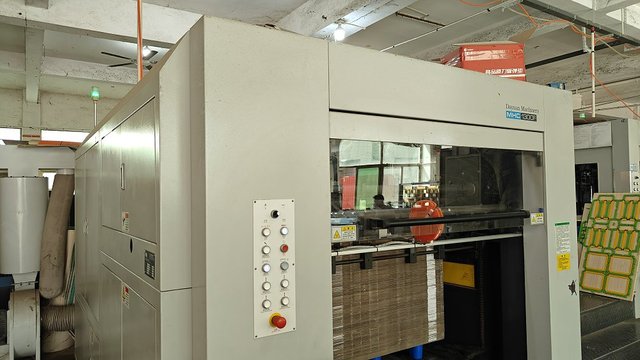
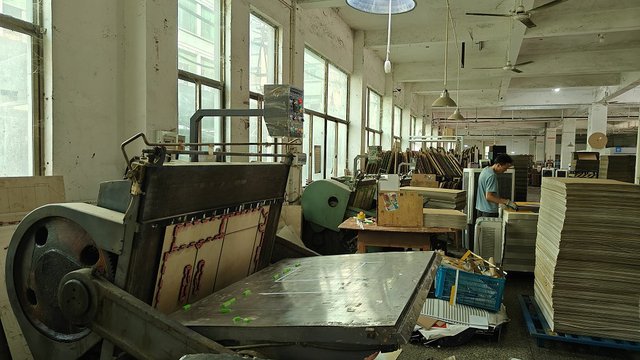
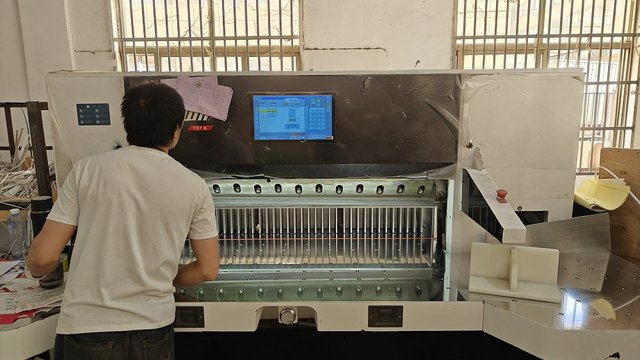
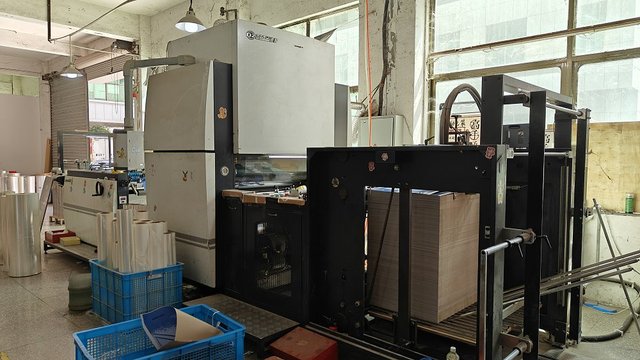
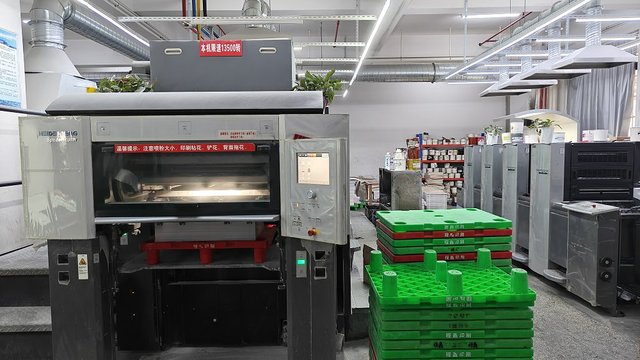
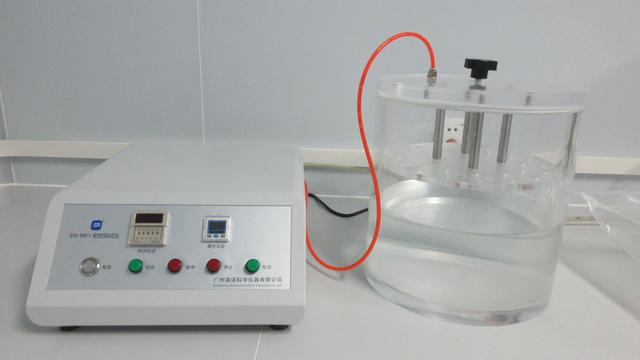
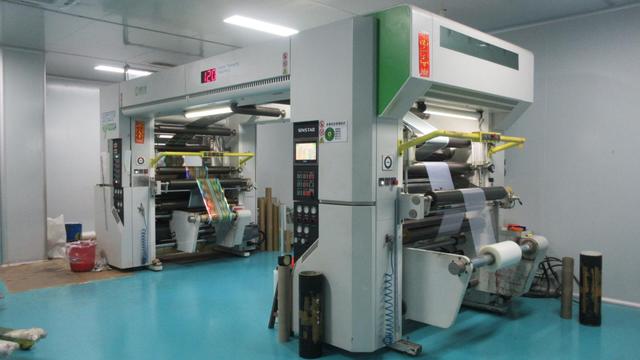
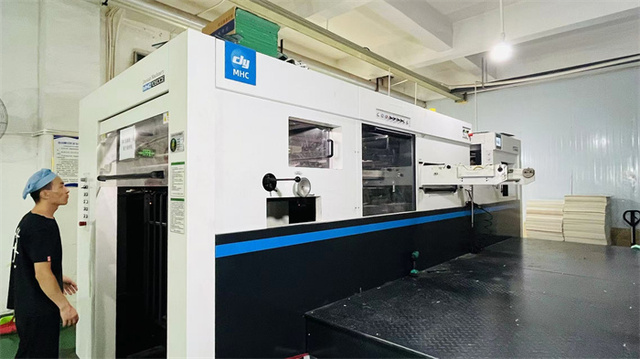
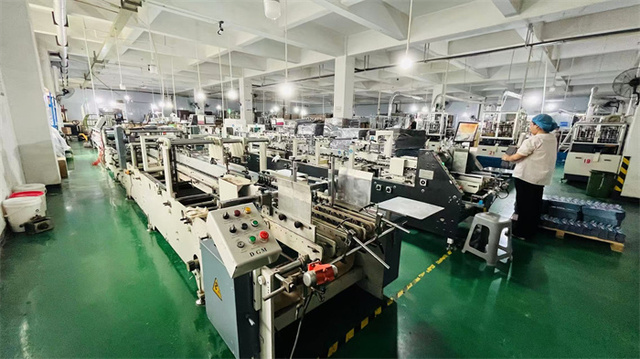
Industrial applications for shrink packaging span several sectors, each with unique requirements. In the Food and Beverage industry, hygiene, wash-down capability, and thermal sensitivity are primary considerations. Machines must shrink film around items like egg trays, fresh produce, and beverage cans without transferring heat to the food inside. Stainless steel frames, IP65 enclosures, and clean-in-place configurations are standard in these settings.
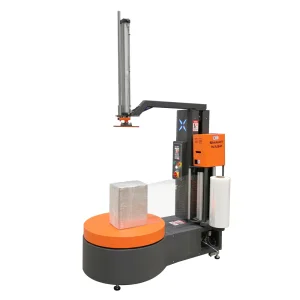
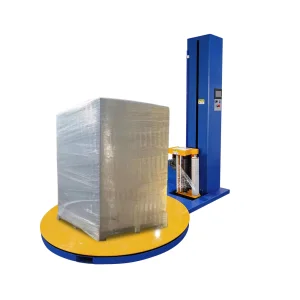
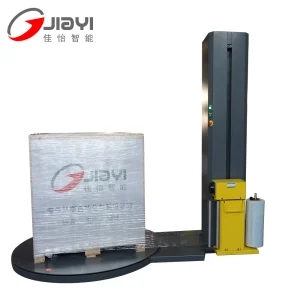
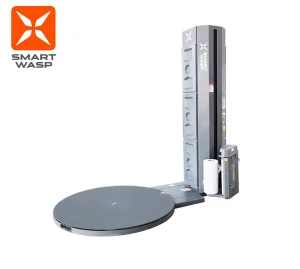
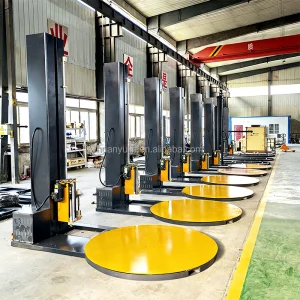
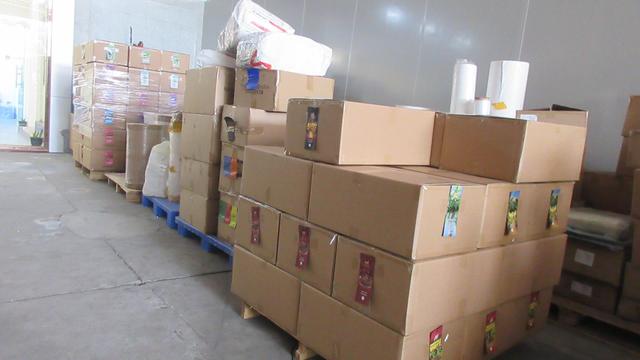
In Logistics, Warehousing, and Palletization, focus shifts to load stability and containment force. Heavy-duty pallet wrapping machines and portable electric carton wrappers apply protective stretch and shrink films to stabilize heavy products during transit. The machinery must withstand continuous operation in dust-prone environments. For printed media, books, cosmetics, and small household goods, high clarity, clean seals, and neat aesthetics are essential to enhance retail shelf appeal.
The packaging machinery industry is evolving in line with broader digital transformation trends. Industry 4.0 connectivity is now a key feature. Standard equipment can be upgraded with ethernet-linked PLC nodes that transmit metrics like cycle speed, operating temperatures, and error codes to central ERP systems. This real-time monitoring allows for predictive maintenance, reducing unplanned downtime and improving overall equipment effectiveness (OEE).
At the same time, sustainability is driving change in materials and design. The industry is moving away from energy-intensive, thick films and toward thin, multi-layered polyolefin (POF) and biodegradable, compostable films. Modern heat tunnels are engineered with advanced thermal insulation and air recirculation systems to minimize energy consumption, helping companies reduce their environmental footprint and align with green regulations.
Selecting a shrink wrapping system requires systematic evaluation. Procuring teams should analyze factors beyond the initial purchase price, focusing on Total Cost of Ownership (TCO). Key evaluation areas include:
• Throughput Capabilities: Match cycle speeds (packs per minute) with upstream processing capacities.
• Material Compatibility: Verify the system operates reliably with thin films (e.g., 12-micron POF) to reduce waste.
• Sealing Quality: Look for systems with PID heating loops and durable alloy sealing knives.
• Safety and Compliance: Ensure machinery meets CE or UL standards, featuring emergency stops and safety switches.
• After-Sales Support: Select suppliers with robust parts availability, diagnostic services, and clear technical documentation.
 Nexa Machine