Precision-engineered automatic case forming, packaging, and gluing solutions designed to optimize high-throughput line workflows.
Ningbo Nexa Machine Co., Ltd. is a leading China food packaging machine manufacturer specializing in the design, development, production, and supply of automatic packaging systems and integrated packaging solutions for the global food industry. With years of industry expertise and a commitment to technological innovation, Nexa Machine delivers reliable, efficient, and intelligent packaging equipment to customers worldwide.
Our extensive product portfolio includes vertical form fill seal machines, vacuum packaging machines, pouch packaging systems, tray sealing machines, thermoforming packaging machines, sachet packaging machines, flow wrapping machines, cartoning machines, weighing and filling systems, and fully automated packaging lines. These solutions are widely used in the packaging of snacks, frozen foods, bakery products, confectionery, dairy products, powders, granules, liquids, pet food, and other food applications.
Driven by innovation, Ningbo Nexa Machine continuously invests in advanced manufacturing technologies. Our experienced engineering team develops high-performance equipment featuring intelligent control systems, precise filling accuracy, stable operation, energy efficiency, and user-friendly interfaces to meet diverse production requirements.
Every machine is manufactured under strict quality control procedures and undergoes comprehensive testing before delivery to ensure outstanding reliability, safety, and long-term performance. We offer flexible OEM and ODM services, providing customized packaging solutions tailored to customers' specific production needs.
Unlocking unmatched economic and engineering values through local industry integration and precise component manufacturing.
Ningbo is a global hub for precision mechanical engineering and robotics. This geographic cluster enables Ningbo Nexa Machine to source premium grade steels, CNC milled parts, and high-response servo controls with minimal lead times, passing efficiency and speed onto global buyers.
Unlike rigid western counterparts, Chinese machinery manufacturers excel at highly customized "non-standard" engineering. Whether accommodating specific cosmetic bottles, multi-sachet layout grids, or challenging carton profiles, our mechanical structures are adapted in-house with custom-tailored layout configurations.
Situated directly adjacent to the Port of Ningbo-Zhoushan—the busiest port globally by cargo tonnage—we maintain direct shipping access to major entryways in North America, Europe, and the Middle East. This minimizes inland shipping delays and dramatically reduces initial transit fees.
How technical advancements are changing secondary packaging lines, driving efficiency, integration, and environmental sustainability.
Traditional cartoning machines utilized complex mechanical cams and chain drives to coordinate pick, place, folding, and gluing tasks. Modern design trends favor independent servo-actuated motions (often 3-axis to 12-axis). Servo-driven platforms eliminate physical chain slack, reduce component wear, allow quick format changes via HMI panel selects, and enable precise acceleration curves to prevent carton scuffing.
Ningbo Nexa Machine integrates multi-axis motion controller boards that communicate over EtherCAT, providing real-time positioning feedback and self-calibration to ensure smooth operation even at speeds up to 120 cartons per minute.
Global brands are shifting toward post-consumer recycled (PCR) cardboard and thin kraft materials to minimize environmental footprints. Thin cardboards, however, are prone to folding variance and moisture absorption, leading to jams in traditional systems.
To counter this, modern secondary packaging systems implement dynamic rotary pre-break pickers. By pre-opening cartons up to 180 degrees before forcing them into the guide rails, our systems reduce material stress, guaranteeing reliable erect rates regardless of variable carton stock density.
Cartoners no longer operate as stand-alone units. Manufacturers demand line integration, expecting the cartoning unit to seamlessly sync with upstream blister packs, sachet fillers, or vertical form-fill-seal machines. This has led to the development of custom dynamic smart-belts and robotic collation arms that match upstream packaging speed variations automatically, eliminating structural bottlenecks.
Smart sensors monitor motor heat, vibrations, and glue-gun cycle pressures. Analyzing these telemetry data allows operators to perform preventative checks before mechanical components wear down. Machine-vision cameras are also integrated directly into the outfeed line, immediately rejecting packages with improper gluing or missing safety inserts.
Exploring customized secondary packaging architectures built to comply with varying sector requirements.
Strict GMP/FDA Compliance: Pharmaceutical cartoners must support automatic leaflet folding and insertion, laser serialization printing, and code checking. The machinery must utilize sanitary stainless steel surfaces and non-toxic materials, featuring mechanical design configurations that prevent cross-contamination in cleanroom environments.
Washdown Safety & High Yields: Food processing lines demand machinery that withstands washdown cleanings. With features preventing dust or ingredient accumulation, our systems safely pack flow-wrapped bars, snack packs, tea bags, and frozen goods, preventing contamination during packaging cycles.
Scratch-Free, Aesthetic Presentation: High-end cosmetics cartons use glossy finishes, embossing, and custom cardboard dividers. Cartoning units must handle delicate bottles and tubes without marking or scratching. Vacuum-actuated suction cups and soft rubber guides maintain immaculate container aesthetics.
Heavy-Duty Carton Handling & Adaptability: For household products like toothpastes, laundry detergents, and adhesive sticks, cartoners must process heavy-grade cardboards and larger carton profiles, handling high-volume outputs with minimal downtime during format changes.
Procuring industrial packaging machinery represents a major capital expenditure (CAPEX) for global manufacturers. To secure optimal return on investment (ROI), procurement teams must look beyond initial pricing and prioritize technical specifications, long-term operational efficiency, and maintenance accessibility.
At Ningbo Nexa Machine, we align with the procurement standards of global enterprises by offering detailed design history files (DHF), Factory Acceptance Testing (FAT), and comprehensive mechanical and electrical schematics.
A cartoner's performance impacts the entire packaging line. If the cartoning unit drops to 70% OEE due to frequent cardboard jams, the upstream production will bottle-neck. Nexa machines are engineered to maintain an OEE rating of over 95%, utilizing high-tolerance guide rails and reliable sensor arrays.
High-speed, multi-functional carton wrapping, forming, and specialized packaging units designed for industrial applications.
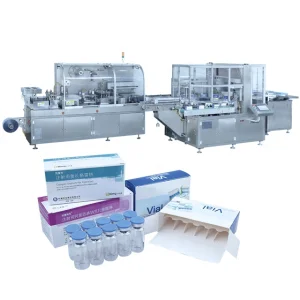
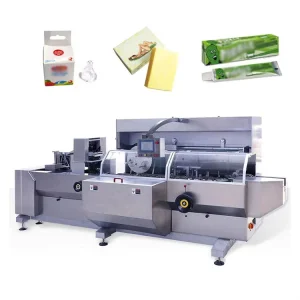
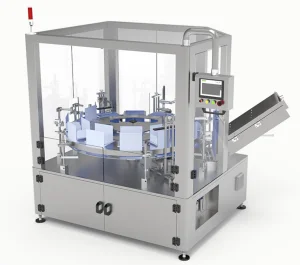
Automatic Vial Ampoule Opening Upbox Packing Cartooning Machine
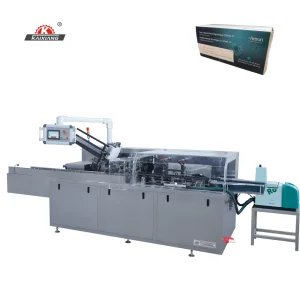
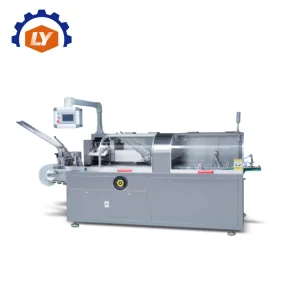
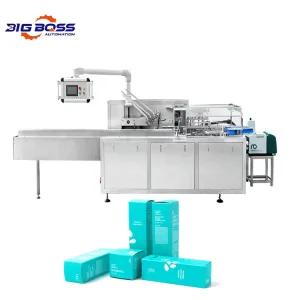
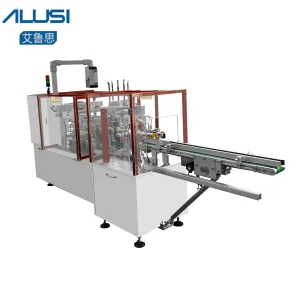
Multi-functional Cartooning Machine Spices Box Packing Machine Tea Bags Box Packaging Machine
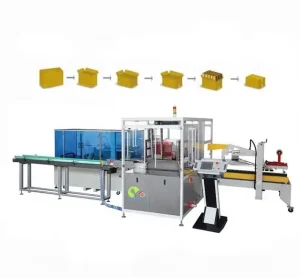
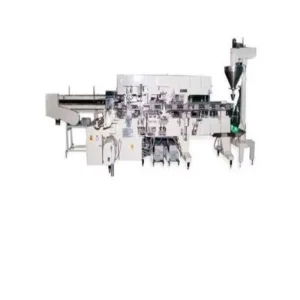
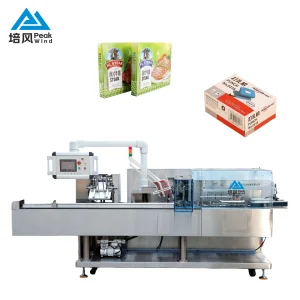
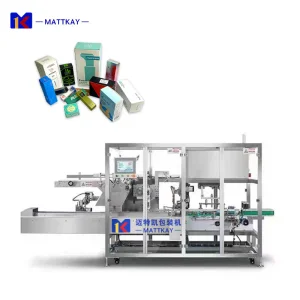
Automatic Carton Box Packing Machine Cartooning Machine at Best Price
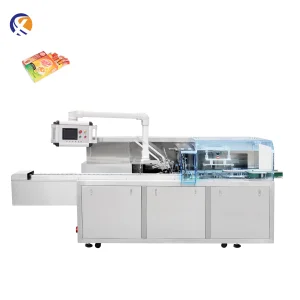
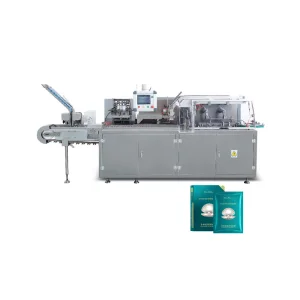
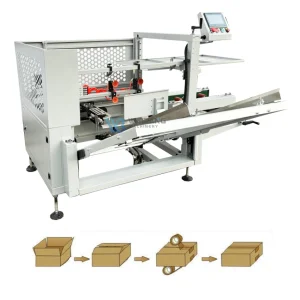
China Factory Automatic Vertical Box Cartooning Machine Bottles Soap Blister Cartoon Packing Machine
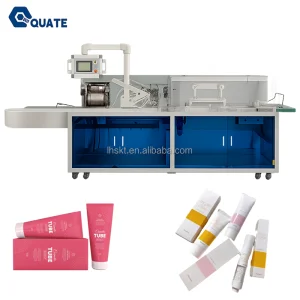
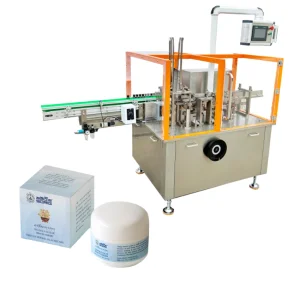
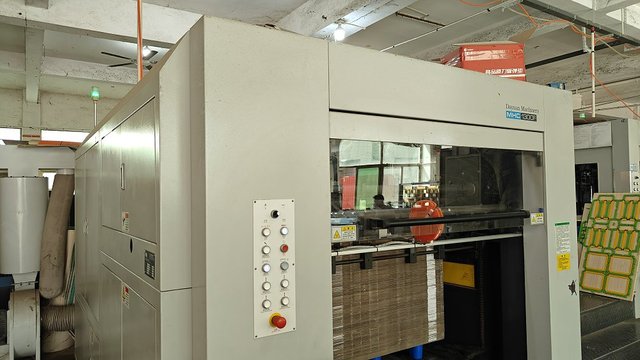
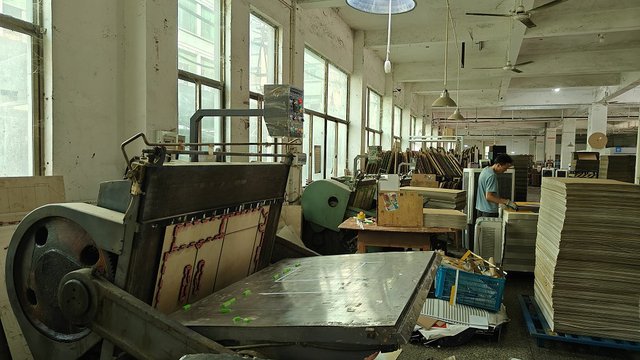
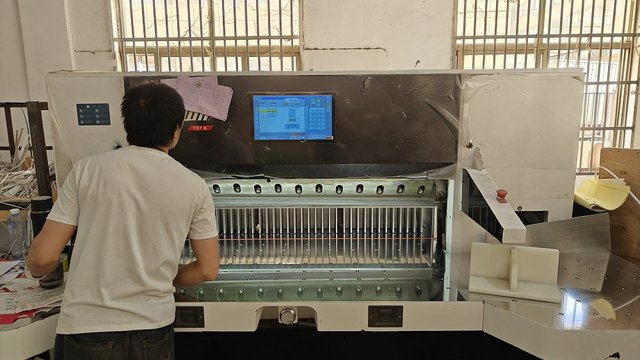
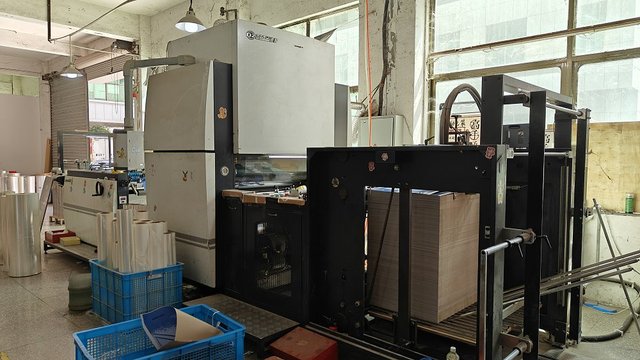
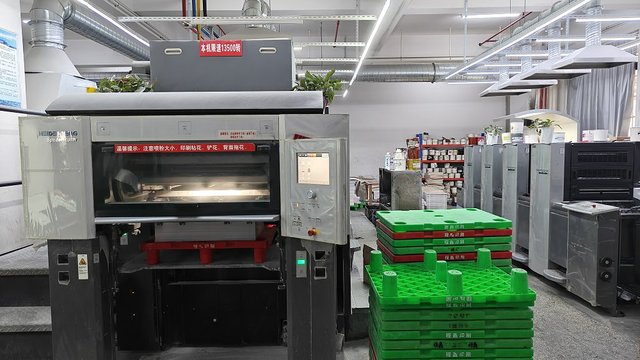
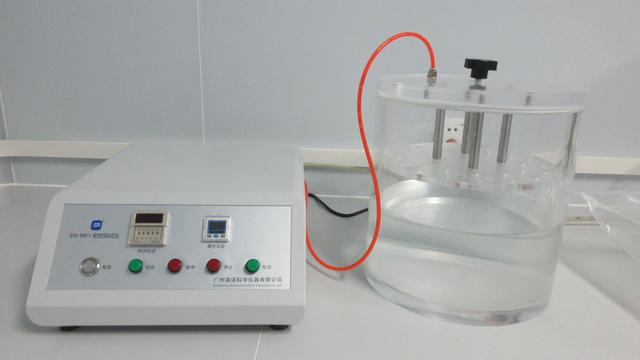
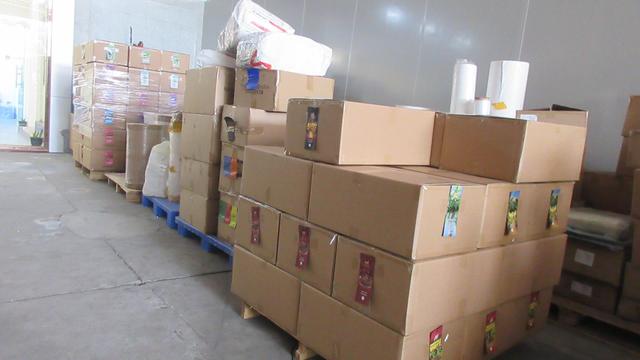
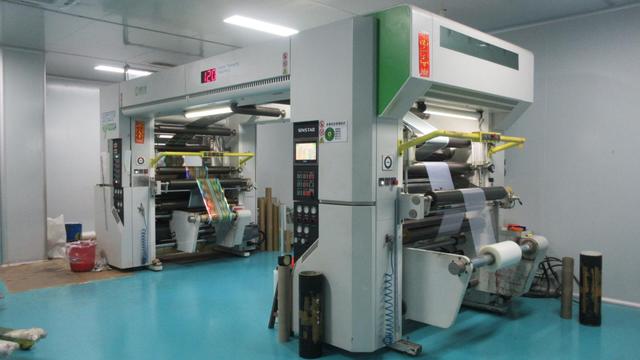
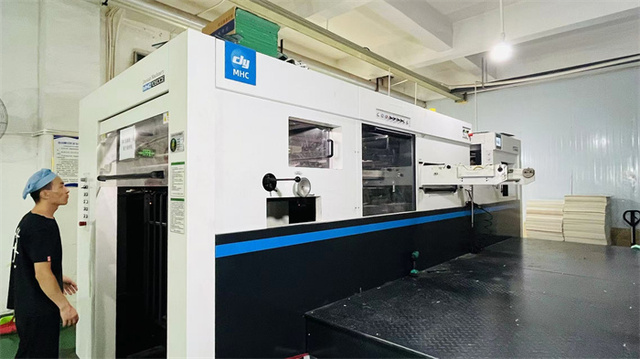
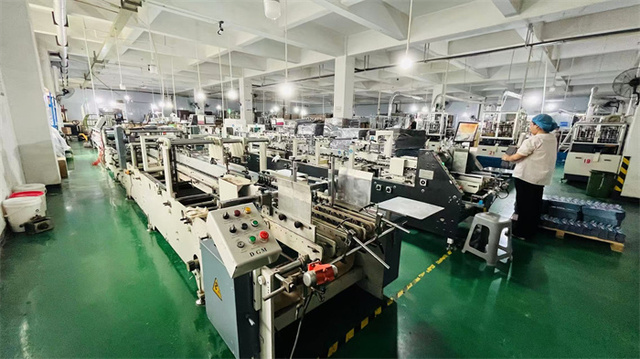
A look into our high-precision assembly lines, modern fabrication centers, and rigorous testing setups in Ningbo, China.
Clear, authoritative technical answers to common questions about carton specifications, mechanical integration, and global sourcing.
1. What carton material and weight ranges are compatible with Nexa cartoning machinery?
Our standard cartoning systems process cardboards ranging from 250 gsm to 450 gsm (grams per square meter). Corrugated boards up to F-flute are also supported, depending on the carton dimensions and style (tuck-in vs. hot-melt glue sealing). It is critical that cardboard grain orientation runs parallel to the main fold line to ensure clean folds during forming.
2. What is the difference between Intermittent Motion and Continuous Motion cartoning?
Intermittent motion cartoners stop the transport chain during product insertion, making them highly suited for lower speed applications (typically 40 to 60 cartons/min) or multi-component loading. Continuous motion systems move both the carton and product in parallel during insertion, enabling smooth operations at speeds exceeding 120 cartons/min, reducing mechanical wear and container stress.
3. Can the cartoner handle both hot-melt glue sealing and mechanical tuck-in closures?
Yes. Many of our models (e.g. the HZ-100 series) can be built with dual closing modules. Operators can switch between glue-closing and mechanical tuck-in modes in under 20 minutes, using adjustable guides without needing to swap out the entire outfeed system.
4. How is the cartoner integrated with upstream dosing or packaging units?
Integration is achieved through mechanical linkages or smart electronic synchronizations. Upstream devices (such as tube fillers or multi-head weighers) output trigger signals to the cartoner's PLC. Our smart conveyor system then tracks and loads each product pocket, automatically bypassing empty slots to prevent feeding empty cartons.
5. What components and electrical brands are used in your export machines?
To ensure global compatibility and ease of spare parts sourcing, our export configurations default to tier-one international brands. This includes Siemens or Omron PLCs and HMIs, Schneider and SMC pneumatic valves, Omron sensors, and SEW-Eurodrive motors. Metric components are standard, and technical drawings are provided in English.
6. How does Nexa support international installations and factory acceptance tests (FAT)?
Prior to shipment, we perform a detailed Factory Acceptance Test (FAT) using samples of your actual packaging material and products, providing high-definition video documentation of the runs. Upon arrival, we offer step-by-step remote video commissioning, or we can dispatch local field service engineers to handle mechanical leveling, electrical integration, and operator training.
 Nexa Machine