Best Packaging Solutions for Food Products in China?

Time:2026-06-22 Author:Oliver
0%

The question of "what is the best packaging solution for food products" is crucial in today's market. In China, where consumer preferences and regulations shift rapidly, effective packaging plays a vital role. The right packaging ensures food safety, maintains freshness, and enhances visual appeal.

Today, manufacturers face exciting yet challenging choices. They must consider eco-friendliness, cost efficiency, and cultural significance in packaging design. Materials like biodegradable plastics and sturdy containers can address sustainability concerns. Yet, finding a balance between innovation and practicality remains complex.

Additionally, branding through packaging is essential. High-quality packaging can elevate a product’s status and entice consumers. However, companies should avoid overly complicated designs that may confuse customers. By understanding market needs and consumer behavior, businesses can make informed decisions. This reflection on best practices is essential for long-term success.
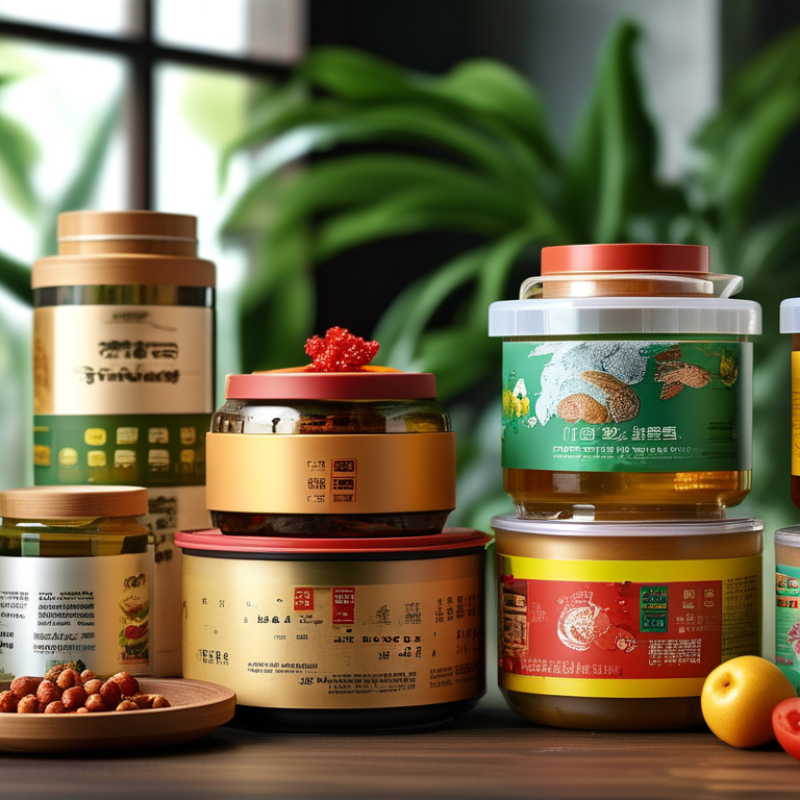
Best Packaging Solutions for Food Products in China?

Overview of Food Packaging Trends in China

In recent years, China's food packaging industry has witnessed significant changes. The rise of e-commerce has influenced packaging design and functionality. According to a report from the China Packaging Federation, the food packaging market is expected to surpass 1.5 trillion RMB by 2025. This growth reflects consumer demands for convenience and sustainability.

Sustainable packaging is at the forefront of trends. Many brands are shifting away from plastic. Instead, biodegradable materials and recycled paper are in use. Research indicates that more than 70% of consumers consider eco-friendly packaging when purchasing. Brands are adapting to this trend to remain competitive. However, the transition poses challenges. Not all sustainable materials are cost-effective or suitable for food safety.

Tips: Invest in research. Understand local preferences and regulations. Additionally, consider the balance between cost and quality. Poor choices could affect your product's marketability. Regularly update your packaging strategy to reflect industry advancements and consumer trends. Exploring innovative materials can help maintain relevance.

Best Packaging Solutions for Food Products in China

This chart illustrates the market share of various food packaging materials in China in 2023, highlighting trends that impact the food industry.

Types of Food Packaging Materials Commonly Used

When it comes to food packaging materials in China, several options are widely used. Common materials include plastic, paper, and glass. Each type has its benefits and drawbacks. Plastic is light and versatile, often used for snack foods. However, it raises concerns about environmental impact.

Paper packaging is eco-friendly and recyclable. It works well for products like pastries and other baked goods. Yet, its durability is often questioned, especially in humid conditions. Glass is another popular choice for premium food products. It preserves freshness but is heavier and more fragile.

Tips: Always consider your target audience. Consumers prefer sustainable options, so opt for eco-friendly materials. Test your packaging in real-life conditions. Ensure it protects the product effectively during transport. Be open to feedback and suggestions. Improving your packaging based on consumer needs can greatly enhance your brand’s reputation.

Regulatory Standards for Food Packaging in China

In China, the food packaging industry faces strict regulatory standards. These regulations ensure the safety and quality of food products. According to a report by Statista, the Chinese food packaging market is projected to reach $50 billion by 2025. As the market grows, so do the regulations governing packaging materials and practices.

The National Health Commission of China outlines specific requirements for food packaging. For example, materials used must be non-toxic and suitable for food contact. Compliance with these standards is crucial. However, many businesses struggle to keep up with the regulations. A report from Qianzhan Industry Research Institute indicates that over 30% of companies find it challenging to meet the governmental guidelines.

Another key aspect is the frequent updates to these regulations. It can be difficult for businesses to stay informed. Packaging designs must be adaptable, which poses a challenge for many. The risk of non-compliance can lead to penalties or product recalls. This highlights the importance of ongoing education and investment in research for packaging professionals.

Innovations in Eco-Friendly Food Packaging Solutions

The demand for eco-friendly food packaging solutions in China is on the rise. Recent reports indicate that the Chinese green packaging market is forecasted to reach approximately $193 billion by 2025. This growing trend reflects a significant shift towards sustainability in consumer preferences. As more individuals prioritize environmental impact, businesses in the food sector must adapt accordingly.

One notable innovation is the development of biodegradable packaging materials. These materials are made from natural sources like corn starch or sugarcane, reducing plastic waste. Experts highlight that biodegradable options can decompose within three to six months under suitable conditions. However, businesses often face challenges in sourcing reliable suppliers. This inconsistency can affect product quality and availability.

Another area of interest is plant-based packaging. Research suggests that this segment could grow by nearly 25% annually. Companies are exploring alternatives that reduce carbon footprints without sacrificing performance. Yet, these materials sometimes lack durability compared to traditional plastics. Finding the balance between sustainability and functionality is crucial. Ongoing research and innovation will be vital to overcome these hurdles and enhance the user experience in food packaging.

Key Manufacturers and Suppliers in the Chinese Market

In China, the food packaging industry is diverse and rapidly evolving. Local manufacturers are focusing on eco-friendly materials. This shift meets increasing consumer demand for sustainability. Many top players in the market prioritize food safety. They adhere to stringent quality control measures. These practices enhance the reliability of their packaging solutions.

Several suppliers specialize in customizable designs. This flexibility helps businesses create unique branding. However, finding the right manufacturer can be challenging. Many companies lack adequate certifications. Potential buyers need to verify compliance before committing.

Innovation is also key in this market. New technologies improve protective properties and shelf life. Yet, not all advancements are beneficial. Some solutions may be excessively costly. Evaluating the cost-effectiveness of packaging choices is crucial. This balance between quality and affordability requires thorough research. The landscape is competitive, and staying informed is vital for success.

Best Packaging Solutions for Food Products in China

Type of Packaging Material Used Sustainability Rating Major Applications Market Share (%)
Flexible Packaging Plastic, Foil Moderate Snacks, Sauces 25
Containers Glass, Plastic High Beverages, Dairy 30
Carton Packaging Paperboard High Cereals, Frozen Foods 20
Shrink Wrap Polyethylene Moderate Confectionery, Bakery 15
Rigid Packaging Plastic, Metal Moderate Frozen Foods, Preparations 10

FAQS

: What are common food packaging materials used in China?

: Common materials include plastic, paper, and glass. Each has unique benefits and drawbacks.

What are the advantages of plastic packaging?

Plastic is lightweight and versatile. It's often used for snack foods but raises environmental concerns.

Why is paper packaging considered eco-friendly?

Paper is recyclable and works well for baked goods. However, its durability can be questionable in humid conditions.

What is a benefit of glass packaging?

Glass preserves freshness for premium products. It is heavier and more fragile than other materials.

Why is it important to consider target audiences in packaging?

Consumers prefer sustainable options. Eco-friendly materials can enhance brand reputation and customer loyalty.

What are the regulatory standards for food packaging in China?

Regulations ensure safety and quality. Materials must be non-toxic and suitable for food contact.

What challenges do businesses face in meeting packaging regulations?

Many companies struggle to comply with strict standards. Over 30% find it difficult to meet government guidelines.

Why do packaging designs need to be adaptable?

Regulations frequently change. Staying informed is essential, but this can be challenging for many businesses.

What risks are involved in non-compliance with packaging regulations?

Non-compliance can lead to penalties or product recalls. This emphasizes the need for ongoing education in packaging.

How can businesses improve their packaging?

Testing packaging in real-life conditions is essential. Feedback from consumers helps identify areas for improvement.

Conclusion

The food packaging industry in China is evolving rapidly, with a focus on meeting modern consumer demands and sustainability goals. As we explore what is the best packaging solution for food products, we notice key trends such as the shift toward eco-friendly materials and innovative designs that enhance product freshness. Commonly used materials range from plastics to biodegradable options, reflecting the diverse preferences of consumers.

Regulatory standards play a crucial role in ensuring food safety and environmental compliance, influencing the types of materials and technologies adopted by manufacturers. Innovations in eco-friendly packaging have emerged as a response to growing environmental concerns, pushing companies to adopt more sustainable practices. Additionally, key manufacturers and suppliers in the market are leading the way in providing these advanced packaging solutions, driving further growth in this critical sector.

Oliver

Oliver

Oliver is a seasoned marketing professional with a wealth of expertise in driving brand awareness and engagement. With a deep understanding of our company's product offerings, he consistently delivers high-quality content that enriches our professional blog. His insights not only shed light on......