Packaging plays a crucial role in food preservation. Understanding what packaging methods extend food shelf life is essential for both consumers and producers. Effective packaging not only protects food from spoilage but also maintains its quality and safety.
Innovative materials and techniques impact how we store food. For instance, vacuum sealing and modified atmosphere packaging help reduce oxygen exposure. This minimizes spoilage and slows down the aging process. However, the choice of packaging often depends on the type of food and its intended shelf life. Some methods may not be suitable for all products.
It's important to consider various factors when selecting packaging. Cost, sustainability, and user-friendliness are vital. Improper packaging can lead to waste. Reflecting on best practices helps improve food longevity and reduce spoilage rates. Adopting appropriate methods ensures food safety and enhances consumer satisfaction.
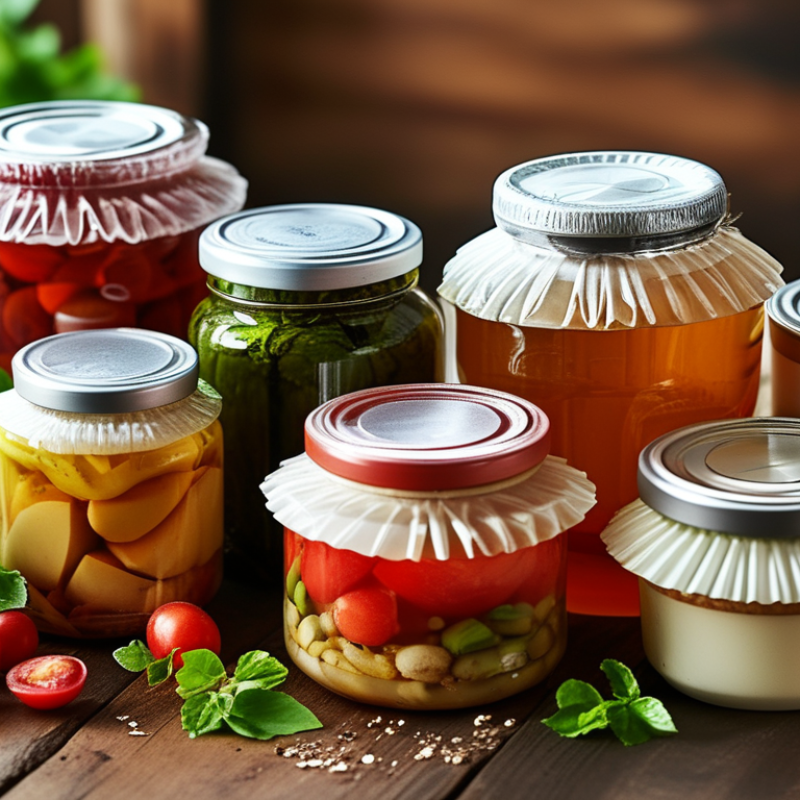
When choosing packaging methods, it's essential to consider various factors that influence food shelf life. Temperature, humidity, light exposure, and oxygen levels play significant roles. High temperatures can accelerate spoilage. An ideal packaging must create a barrier against these elements, extending freshness and safety.
Different foods require tailored approaches. For instance, moisture-sensitive products need airtight containers. On the other hand, light-sensitive items benefit from opaque packaging. Moreover, the material matters. Plastic, glass, and metal have unique advantages and disadvantages. For example, plastic is lightweight but may leach chemicals. Glass is inert but heavy and fragile.
Consumers often overlook the importance of labels. These offer crucial information on storage conditions, best-before dates, and handling instructions. However, even the best packaging can't counteract poor storage practices. It's a delicate balance. Packaging can promote shelf life, but it can't replace proper temperature control and hygiene practices. Thus, mindful choices are key to maximizing food safety and minimizing waste.
| Packaging Method | Shelf Life Extension (Days) | Key Factors Impacting Shelf Life | Material Type |
|---|---|---|---|
| Vacuum Packaging | 30-90 | Oxygen Control, Moisture Barrier | Plastic, Foil |
| Modified Atmosphere Packaging (MAP) | 15-60 | Gas Composition, Temperature | Plastic, Polypropylene |
| Canning | 1-5 years | Heat Treatment, Sealing | Metal, Glass |
| Cryogenic Freezing | 1-2 years | Temperature Control, Storage | Plastic, Special Bags |
| Aseptic Packaging | 6-12 months | Sterility, Sealing Technique | Plastic, Cardboard |
: Vacuum sealing removes air from packages. This reduces oxidation and slows spoilage, especially for meats and cheeses.
Modified atmosphere packaging alters gas composition inside packages. This slows bacterial growth, keeping fruits and vegetables fresh longer.
No, effectiveness varies. Some methods might be costly or need special equipment. Analyze needs before choosing a method.
Sustainable packaging uses eco-friendly materials, which minimize waste. This often provides better protection and extends shelf life.
No, balancing cost and effectiveness is important. Sometimes, higher costs lead to better spoilage protection and less waste.
Evaluate the food type and its moisture content. Barrier properties against oxygen, moisture, and light are crucial.
Yes, some sustainable options cost more. However, they often provide improved protection from spoilage and waste reduction.
Involving consumers in discussions about sustainability matters. Their views can influence which packaging methods to adopt.
No, different methods cater to various food needs. What works for one item may not suit another effectively.
Packaging choices can reduce waste and promote eco-friendliness. Reflecting on this is key to making responsible decisions.
When considering what packaging methods extend food shelf life, it is essential to evaluate various factors that affect food preservation. Key considerations include the product's sensitivity to oxygen and moisture, as well as the temperature stability during storage and transport. Common packaging techniques, such as vacuum sealing and hermetic packaging, offer significant benefits by limiting exposure to air and moisture, which are critical for preventing spoilage.
Additionally, understanding the barrier properties of different materials can optimize packaging choices for different food types. Sustainable packaging options are also emerging as effective solutions that not only extend shelf life but also address environmental concerns. Implementing temperature control alongside appropriate packaging methods further enhances food preservation, ensuring quality and safety for consumers.

 Nexa Machine