Why Choose Semi Automatic vs Fully Automatic Packaging Machines?

Time:2026-09-02 Author:Oliver
0%

When deciding on packaging solutions, businesses face a vital choice: semi automatic or fully automatic machines. Understanding how to choose between semi automatic and fully automatic packaging machines is essential for optimizing production efficiency and cost-effectiveness. Each type has its own set of advantages and challenges, impacting everything from labor costs to output speed.

Semi automatic machines offer flexibility. They require manual intervention, allowing for greater control over the packaging process. This is especially beneficial for small to medium-sized businesses with varying production demands. However, these machines can lead to inconsistencies if operators are not trained properly.

On the other hand, fully automatic machines promise higher efficiency and consistency. They operate continuously, reducing the risk of human error, yet they come with a higher initial investment. This raises questions for businesses about their actual needs and long-term goals. Ultimately, finding the right balance between productivity and budget is crucial in making an informed choice.
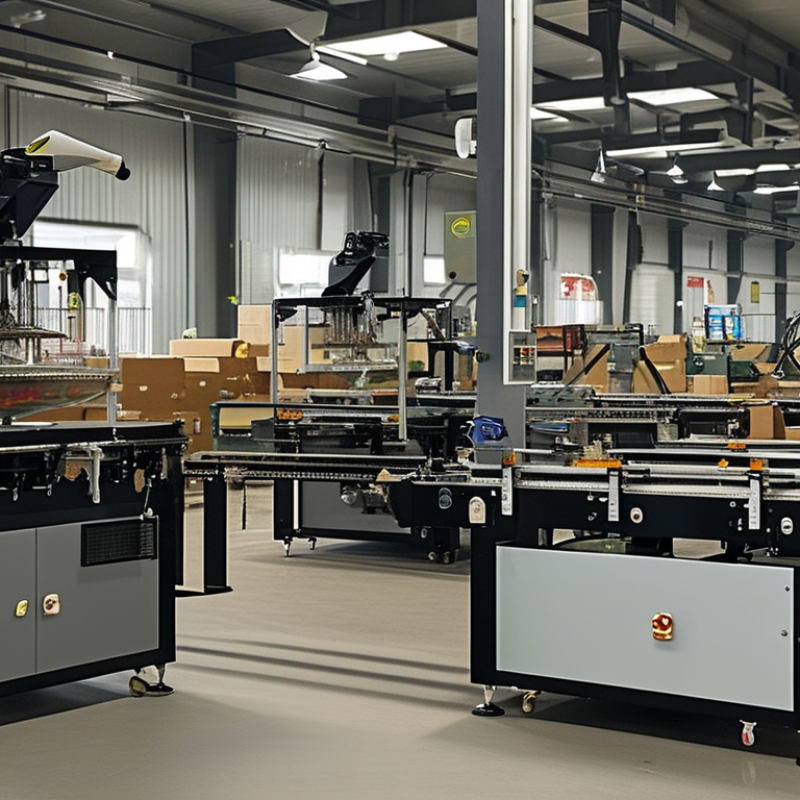
Why Choose Semi Automatic vs Fully Automatic Packaging Machines?

Advantages of Semi Automatic Packaging Machines

Semi-automatic packaging machines offer a range of advantages that appeal to many businesses. These machines strike a balance between efficiency and cost. According to recent industry reports, around 52% of small to medium-sized enterprises prefer semi-automatic systems for their flexibility. Companies can achieve higher output without sacrificing quality. The initial investment is often lower than fully automatic systems. This enables businesses to maintain budget control while meeting production needs.

Operators appreciate the ease of use. Semi-automatic machines often require minimal training. Workers can quickly learn how to operate the equipment, reducing downtime significantly. This allows teams to focus on quality control instead of complex operations. Operators can adjust settings to cater to different products, which is crucial for businesses with diverse offerings. Many report increased productivity, with some experiencing up to a 30% rise in output after switching to semi-automatic machines.

Understanding costs is vital. Maintenance can be less complicated and cheaper than that of fully automatic systems. This is especially true for businesses focusing on small batch production. Regular checks and minor repairs can keep machines running smoothly, prolonging their lifespan. One industry expert indicated that up to 40% of companies report lower maintenance costs with semi-automatic systems. Before investing, conduct an analysis of your specific needs and budget to ensure alignment with operational goals.

Key Features of Fully Automatic Packaging Machines

Choosing between semi-automatic and fully automatic packaging machines can significantly impact efficiency. Fully automatic machines offer various advantages. They minimize manual labor, which lowers operational costs in the long run. According to industry reports, companies that use fully automatic machines can increase their production rates by up to 30%. This leads to faster turnaround times and the ability to meet higher demand.

Key features of fully automatic machines include advanced sensors and control systems. These sensors ensure precision in packaging, reducing waste. Research suggests that businesses can save 15% on materials by switching from manual to fully automatic systems. Additionally, these machines often come with integrated quality control processes. This can enhance product consistency and reduce errors.

When considering an upgrade, think about your production needs. Assess your current workflow and see where bottlenecks occur. Focus on machines that offer scalability to adapt to future growth. Ensure you provide adequate training for your team on these new technologies. Investing time in understanding the machinery can lead to smoother operations and better outcomes.

Cost Considerations: Semi Automatic vs Fully Automatic

When evaluating the cost considerations between semi-automatic and fully automatic packaging machines, several factors come into play. Industry reports indicate that initial investment costs for fully automatic machines can be significantly higher, often ranging from 30% to 50% more than semi-automatic versions. This might deter small businesses with tighter budgets. However, fully automatic machines generally require less labor, leading to operational cost savings over time.

Another aspect to consider is maintenance. Semi-automatic machines often have simpler designs, which can lead to lower maintenance costs and easier repairs. In contrast, fully automatic machines may require specialized technicians for servicing. According to a study by the Packaging Machinery Manufacturers Institute (PMMI), businesses can experience up to a 20% higher downtime with fully automatic systems if not properly maintained.

Labor costs should also be factored in. Semi-automatic machines might necessitate more hands-on work. This approach has its own challenges, including potential operator errors affecting product quality. On the other hand, fully automatic machines allow for streamlined operations. However, businesses must weigh these benefits against the higher initial investment and maintenance needs. Understanding these cost dynamics can guide companies in making informed decisions tailored to their unique situations.

Cost Comparison: Semi Automatic vs Fully Automatic Packaging Machines

Applications: When to Choose Semi Automatic or Fully Automatic

When deciding between semi-automatic and fully automatic packaging machines, understanding your application is crucial. Semi-automatic machines are ideal for smaller production lines or businesses with varying product types. According to a recent market report, around 60% of small to medium enterprises prefer semi-automatic machines due to their affordability and flexibility. These machines allow staff to handle manual tasks while automating repetitive functions, which can enhance efficiency without high capital investment.

On the other hand, fully automatic machines are essential for high-volume production. Industries like food and pharmaceuticals often require them for consistent output and strict regulatory compliance. A recent industry study indicated that automation in these sectors can improve productivity by up to 40%. However, the initial costs are significant, and maintenance can become complex. Companies should carefully assess their production scale and budget before making a decision.

Even with clear advantages, no system is perfect. Some businesses may invest in fully automatic systems without proper analysis, leading to underutilized capabilities. It’s important to consider the balance between cost, efficiency, and the specific packaging needs of your products.

Why Choose Semi Automatic vs Fully Automatic Packaging Machines?

Feature Semi Automatic Machines Fully Automatic Machines
Initial Cost Lower Higher
Labor Requirement Medium Low
Speed Moderate High
Flexibility High Medium
Maintenance Higher Lower
Best Suited For Small to Medium Scale Production Large Scale Production

Factors Influencing Your Packaging Machine Decision

When selecting between semi-automatic and fully automatic packaging machines, several key factors come into play. One primary consideration is the scale of production. Semi-automatic machines work well for small to medium enterprises. They require human intervention, thus offering flexibility. If your operation grows, though, these machines might create bottlenecks.

In contrast, fully automatic machines handle larger volumes with less manual involvement. They are ideal for businesses that prioritize efficiency and speed. However, they also demand a higher initial investment. Maintenance costs can be significant. It’s vital to assess your financial readiness and production goals before making a decision.

Operator skill level is another critical factor. Semi-automatic machines need skilled operators for setup and adjustments. Mistakes can lead to waste. Fully automatic machines, while easier to operate, still require training and understanding of technology. Weigh the benefits against challenges to make an informed choice that aligns with your long-term goals.

FAQS

: What are the main advantages of semi-automatic packaging machines?

: They balance efficiency and cost, making them attractive for many businesses. They increase output without compromising quality.

Why do many small businesses prefer semi-automatic machines?

About 52% of small to medium enterprises choose them for their flexibility and affordability in production.

How much productivity increase can businesses expect after switching?

Some companies experience up to a 30% rise in output after transitioning to semi-automatic machines.

What is a crucial factor when choosing between machine types?

Understanding your application and production scale is vital to make the best decision between semi-automatic and fully automatic machines.

Are maintenance costs lower for semi-automatic machines?

Yes, many companies report up to 40% lower maintenance costs. Regular checks can keep machines running efficiently.

When is a fully automatic machine more appropriate?

Fully automatic machines suit high-volume production in industries like food and pharmaceuticals. They require strict compliance and efficiency.

How does operator skill level affect machine choice?

Semi-automatic machines need skilled operators for setup. Mistakes can lead to waste, while fully automatic machines still require training.

Why might a business regret investing in fully automatic systems?

Some firms may not analyze their needs properly, leading to underutilized capabilities and wasted resources.

What flexibility does a semi-automatic machine offer?

They allow manual handling of tasks while automating repetitive functions, enhancing efficiency without high costs.

What should companies assess before purchasing packaging machinery?

Companies should analyze their production goals, scale, and budget to choose the right machine for their needs.

Conclusion

When considering how to choose between semi automatic and fully automatic packaging machines, it is essential to evaluate the unique advantages each option offers. Semi automatic machines are known for their flexibility, lower initial costs, and ease of operation, making them ideal for smaller production runs or businesses looking to gradually scale up. In contrast, fully automatic machines provide high efficiency, minimal labor requirements, and are suitable for large-scale operations, ensuring consistent and rapid output.

Cost considerations are also crucial; while fully automatic machines typically have a higher upfront investment, they can lead to lower long-term operational costs due to their increased speed and reduced labor needs. Ultimately, application-specific factors such as production volume, budget constraints, and the desired level of automation will guide the decision-making process, helping businesses determine the best packaging solution for their needs.

Oliver

Oliver

Oliver is a seasoned marketing professional with a wealth of expertise in driving brand awareness and engagement. With a deep understanding of our company's product offerings, he consistently delivers high-quality content that enriches our professional blog. His insights not only shed light on......