The efficiency of packaging machines significantly influences production outcomes across various industries. According to a report by MarketsandMarkets, the global market for packaging machinery is projected to reach $56.6 billion by 2025, emphasizing the need for optimized operations. As manufacturers seek to enhance productivity, understanding what factors affect packaging machine efficiency becomes critical.
Multiple elements contribute to the efficiency of these machines. Machine speed, accuracy, and the type of packaging material all play a role. According to a study from the Packaging Machinery Manufacturers Institute (PMMI), inefficiencies can lead to increased operational costs and waste. This highlights the importance of investing in technology and training. However, not all machines perform consistently. Variability in settings and maintenance practices can impact overall efficiency.
In addition, human factors such as worker training and experience can greatly influence machine performance. A well-trained operator can identify and mitigate potential issues more effectively. Despite advancements in technology, some manufacturers still struggle with outdated machinery. Understanding the interplay of these factors will pave the way for smarter solutions and improved productivity in the packaging industry.
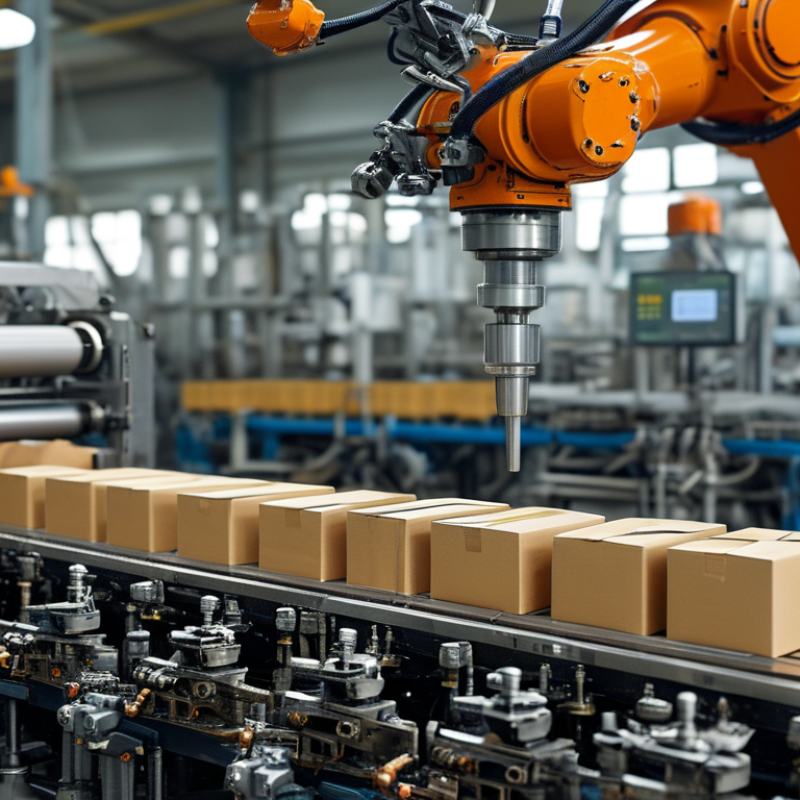
When designing packaging machines, several factors come into play. The size of the packaging line is essential. Machines must fit efficiently within the available space. A machine that is too large can impede workflow. Conversely, a machine that is too small may not keep up with production demands.
Material selection significantly influences design. Different materials require unique handling mechanisms. For example, delicate products need gentle packaging methods. However, durability is key for heavy or fragile items. Additionally, manufacturers must consider the machine's adaptability. Can it handle various sizes and shapes?
User experience also matters. Operators should easily navigate the machine controls. Complicated interfaces can lead to mistakes and downtime. Training time is also a factor. A design that requires minimal training enhances overall productivity. Each of these considerations shapes the efficiency of packaging machines. Balancing competing demands is always a challenge.
The rise of technology has significantly impacted packaging automation over recent years. According to industry reports, the global packaging machinery market is projected to reach USD 45 billion by 2025, reflecting a compound annual growth rate (CAGR) of 4.5%. Advanced technologies like robotics, artificial intelligence, and the Internet of Things (IoT) are transforming production lines. These innovations enhance speed, precision, and adaptability, critical factors for efficiency in packaging.
One notable trend is the integration of smart technologies in packaging machines. For instance, sensors and data analytics allow for real-time monitoring of production processes. This capability can reduce downtime and prevent errors. A report from the Packaging Machinery Manufacturers Institute (PMMI) states that up to 30% of production time can be lost due to unplanned machine stoppages. By proactively addressing these issues, facilities can improve output without significant capital investment.
**Tips:** Invest in ongoing training for operators on new technology. Skilled workers can maximize the potential of advanced systems. Regular maintenance of machinery is vital. Underestimating this can lead to costly repairs and decreased productivity. Always analyze production data for insights into performance bottlenecks.
Material selection plays a crucial role in the efficiency of packaging machines. The type of materials used can directly influence the speed, durability, and operational costs of these machines. According to a recent report by the Packaging Machinery Manufacturers Institute, the right material can improve machine efficiency by as much as 25%. However, the material must also be compatible with the product being packaged. Using incompatible materials can lead to increased downtime and maintenance issues.
For example, employing lightweight films can enhance the speed of packaging operations. However, if the film is too thin, it may tear easily, leading to product waste. On the other hand, selecting robust materials can provide reliability, but at a potentially higher cost. Thoughtful consideration is needed to balance cost with machine performance. Each packaging scenario may require a different approach to material selection, reflecting the complexity of achieving optimal efficiency in packaging processes.
In practice, companies often face challenges while experimenting with new materials. While innovations in biodegradable and sustainable materials are on the rise, their impact on machine efficiency isn't fully understood yet. There is a clear need for more comprehensive studies in this area to provide industry-wide guidelines. Until then, organizations must remain vigilant, continually testing and refining their material choices to enhance overall machine performance.
Maintaining packaging machines is crucial for optimal performance. Regular maintenance reduces the risk of unexpected breakdowns. According to the Manufacturing Institute, unplanned downtime can cost manufacturers up to $250,000 per hour. Such losses are significant and emphasize the need for proactive care.
Scheduled inspections can catch wear and tear before it escalates. Lubrication of moving parts, checking belts, and monitoring sensors can enhance efficiency. A report from the Packaging Machinery Manufacturers Institute (PMMI) highlights that proper maintenance can increase machinery lifespan by 20%. This not only saves costs but also ensures consistent output quality.
Many facilities neglect routine checks, leading to inefficiencies. A failure to address minor issues often results in major problems. Operators should be trained to recognize signs of wear. Investing in their training can yield long-term benefits. Companies have reported a 15% increase in production volume when maintenance practices are prioritized. Regular audits of maintenance practices can help identify gaps and areas for improvement.
In today's industrial landscape, the efficiency of packaging machines is increasingly influenced by environmental considerations. Manufacturers are under pressure to reduce waste and minimize their carbon footprint. Sustainable practices not only attract eco-conscious consumers but also can lead to long-term cost savings.
One important factor is the type of materials used in packaging. Biodegradable films and recycled materials can significantly decrease environmental impact. However, many machines are not designed for such materials, leading to inefficiencies. Regularly evaluating the compatibility of packaging machines with new eco-friendly materials is essential.
Tip: Regular maintenance of equipment can help identify inefficiencies in the use of sustainable materials. Ensure that machines are updated to handle modern packaging innovations.
Energy consumption is another critical factor. Packaging machines that consume excessive amounts of energy become less sustainable over time. Newer technologies often incorporate energy-efficient features. It's worth exploring these advancements, as they can improve efficiency and reduce operational costs.
Tip: Conduct a thorough energy audit to assess if your machines are energy efficient. Investing in upgrades could yield significant savings.
By focusing on these environmental factors, industries can enhance their packaging efficiency while contributing positively to the planet. Balancing sustainability with productivity, however, often requires careful analysis and reflection on existing practices.
: The size of the packaging line, material selection, adaptability, user experience, and training time all play crucial roles.
Size is vital. A machine too large can disrupt workflow, while one too small may not meet production needs.
Different materials need specific handling. Delicate items need gentle methods; heavy items require durable solutions.
Easy-to-navigate controls reduce errors. Complicated interfaces can increase downtime and hinder productivity.
Technologies like robotics and AI enhance speed and precision, transforming how production lines operate.
Smart technologies use sensors and data analytics for real-time monitoring, reducing downtime and preventing errors.
Up to 30% of production time can be lost from unplanned machine halts, emphasizing the need for proactive solutions.
Regular maintenance and analyzing production data can alleviate issues and enhance performance without significant costs.
Underestimating the need for regular maintenance can lead to breakdowns and expensive repair needs.
Ongoing training is essential. Skilled operators can maximize the potential of advanced systems and improve overall output.
The efficiency of packaging machines is influenced by several key factors that are essential for optimal performance. Firstly, the design of packaging machines significantly impacts their operational capabilities, with advancements in technology leading to more automated and efficient solutions. Material selection plays a critical role as well; using the right materials can enhance machine performance and reduce downtime.
Additionally, regular maintenance practices are crucial to ensure that packaging machines operate at their best. Neglecting maintenance can lead to inefficiencies and increased costs. Furthermore, environmental considerations are becoming increasingly important, as sustainable practices can not only improve efficiency but also appeal to eco-conscious consumers. Understanding what factors affect packaging machine efficiency is vital for manufacturers aiming to maximize productivity and reduce costs while staying competitive in the market.

Nexa Machine