Food packaging plays a crucial role in the supply chain, impacting both safety and sustainability. According to a 2022 report from the Food and Agriculture Organization, around 1.3 billion tons of food produced annually is wasted largely due to ineffective packaging. This highlights what are common food packaging challenges and solutions that the industry faces today. Issues like contamination, spoilage, and environmental impact are increasingly prevalent.
In recent years, regulatory changes and consumer preferences have driven a shift toward sustainable packaging. The sustainable packaging market is projected to grow at over 7% annually, emphasizing the necessity for effective solutions. However, many companies struggle to adopt these practices. Cost, accessibility, and limited knowledge hinder their progress.
Addressing these challenges requires innovation and collaboration. Companies must explore materials that extend shelf life and reduce waste. They also need to consider consumer demands for eco-friendly options. As the industry evolves, understanding these common challenges will be critical in developing successful strategies.
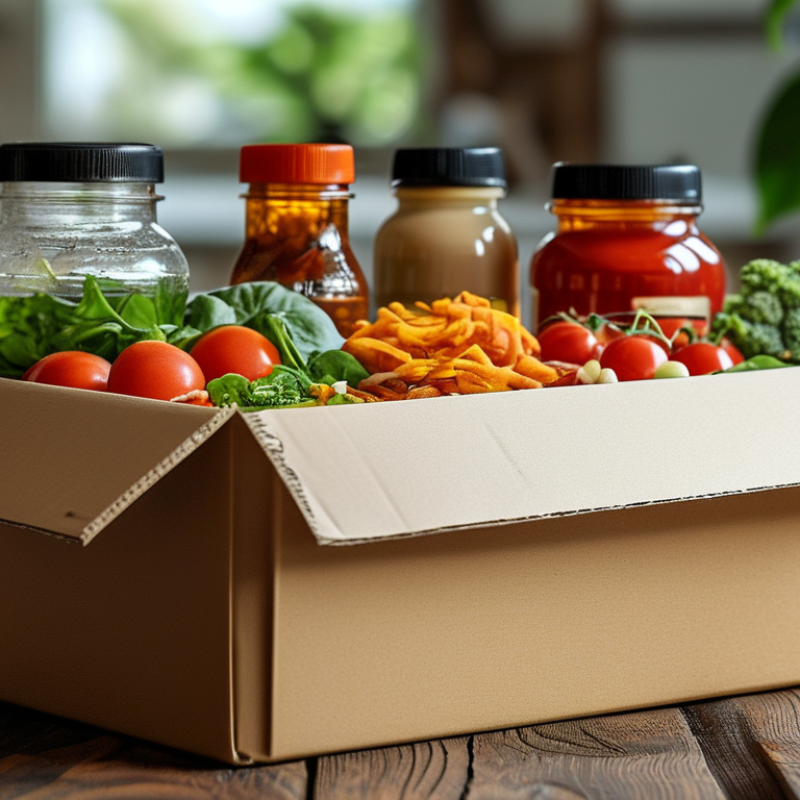
In the modern food industry, packaging plays a critical role in product success. Effective packaging ensures safety, freshness, and convenience. It protects food from contamination and extends shelf life. Moreover, attractive packaging can appeal to consumers, driving sales and brand loyalty.
However, the challenges surrounding food packaging are significant. Many materials are not eco-friendly, leading to environmental concerns. Consumers increasingly demand sustainable options, yet many companies struggle to innovate. Additionally, safety regulations and compliance issues create hurdles that can complicate production. Brands must navigate these complexities while trying to maintain aesthetic appeal.
Addressing these issues requires creativity and expertise. Investing in research can lead to better materials and designs. Collaboration with packaging experts can also enhance efficiency. While solutions exist, the path to improvement is often fraught with obstacles. Food manufacturers must remain adaptable and open to change, continually refining their approaches to meet consumer expectations.
Food packaging is crucial in the food industry. Manufacturers face several challenges in ensuring product safety and sustainability. One major issue is contamination risk. According to a report by the Food and Drug Administration (FDA), nearly 48 million people fall ill each year due to foodborne illnesses. Proper packaging is essential to minimize such risks. However, achieving this requires advanced materials and technology, which can be costly for many manufacturers.
Another pressing challenge is environmental impact. The global market for sustainable packaging was valued at over $400 billion in 2020 and is projected to grow significantly. As consumers demand eco-friendly options, companies must adapt. Plastic waste is a growing concern, with over 300 million tons produced annually. Many manufacturers are struggling to find alternatives that balance both sustainability and cost-effectiveness.
Additionally, supply chain disruptions create difficulties in acquiring materials. Recent studies suggest that 70% of manufacturers have faced delays in sourcing packaging supplies. This inconsistency can lead to compromised quality and increased waste. Addressing these issues requires innovative solutions and collaboration among industry stakeholders.
In today's world, sustainability in food packaging is critical. With increasing waste and pollution, innovative solutions emerge daily. These solutions aim to reduce environmental impact while maintaining food safety and quality. Biodegradable materials are one popular option. They break down naturally, minimizing landfill contributions. However, the challenge is ensuring they perform effectively.
Tips for sustainable packaging include prioritizing materials that are recyclable or compostable. Always consider the lifecycle of packaging. Lightweight materials can reduce transportation emissions. Moreover, focusing on minimalistic designs cuts down excess waste. Collaboration with suppliers can lead to sustainable alternatives that meet safety standards.
Reflecting on current practices is essential. Many packaging systems still rely on plastics that are difficult to recycle. The industry must question these choices. Is there a better, greener material available? Continuous improvement and innovation can lead to significant changes. Engaging in sustainable packaging efforts isn't just beneficial; it's necessary for future generations.
The food packaging industry is witnessing a remarkable transformation through emerging technologies. Innovations in materials and design focus on enhancing safety and sustainability. Smart packaging systems utilize sensors to monitor temperature, humidity, and freshness. These technologies alert consumers and suppliers to any potential spoilage, ensuring that food remains safe to eat.
Biodegradable materials are gaining traction as an alternative to conventional plastics. These materials break down naturally, reducing environmental impact. However, challenges arise in maintaining food quality and safety during the packaging process. Not all biodegradable options provide sufficient barrier properties, which can compromise the food’s integrity.
Active packaging methods release preservatives or absorb ethylene gas to prolong freshness. While effective, this technology raises questions about chemical interactions with food. Continuous research is needed to address these concerns and improve safety standards. As the industry evolves, balancing innovation with safety remains a key focus. Experts must navigate these complexities to develop reliable solutions for consumers.
Regulatory compliance in food packaging is crucial for maintaining food safety. According to the Food Safety and Inspection Service (FSIS), improper packaging can lead to contamination. Studies show that packaging plays a vital role in preventing spoilage. However, many companies struggle to meet the diverse regulations set by various countries.
In the U.S., the Food and Drug Administration (FDA) oversees food packaging compliance. They evaluate safety and proper labeling, but navigating these regulations can be daunting. Reports indicate that about 70% of small food businesses lack awareness of these guidelines. Lack of resources and understanding can lead to costly mistakes or even recalls.
To ensure compliance, companies need to stay updated. Regular training and resources from governmental bodies can help. It is essential to know the specific regulations for different materials and types of food. Packaging must be durable and suitable for the intended food products. Failing to meet these standards not only affects product integrity but can also harm a company's reputation.
: Food packaging ensures safety, freshness, and convenience while protecting products from contamination.
Manufacturers struggle with contamination risks, environmental impact, and supply chain disruptions.
Contamination can lead to foodborne illnesses, affecting almost 48 million people in a year.
Many packaging materials are not eco-friendly, with plastic waste exceeding 300 million tons annually.
Biodegradable materials and recyclable options aim to reduce waste while maintaining food safety.
Lightweight materials can cut transportation emissions, helping the environment.
Working with suppliers can result in better materials and sustainable packaging alternatives.
They need to reflect on their current choices, especially regarding plastics and sustainability.
Ongoing innovations can significantly change the industry and meet growing consumer expectations.
The industry should question its reliance on hard-to-recycle plastics and seek greener alternatives.
Food packaging plays a crucial role in the modern industry, ensuring products remain safe, fresh, and appealing to consumers. However, manufacturers face various challenges in this field. What are common food packaging challenges and solutions? Key issues include the need for sustainability, regulatory compliance, and safety concerns. As the demand for eco-friendly packaging increases, innovative solutions such as biodegradable materials and recyclable designs are becoming essential for manufacturers.
Additionally, emerging technologies, such as smart packaging, enhance food safety by monitoring freshness and preventing spoilage. Compliance with regulations further complicates the packaging process, necessitating a thorough understanding of legal standards. By addressing these challenges through innovative solutions, the food packaging industry can evolve to meet both consumer expectations and environmental responsibilities effectively.

Nexa Machine