What Certifications Should Food Packaging Equipment Have?

Time:2026-08-13 Author:Aria
0%

In the ever-evolving food packaging industry, understanding "what certifications should food packaging equipment have" is crucial for ensuring safety and compliance. According to the Food and Drug Administration (FDA), a significant 60% of food contamination incidents are linked to packaging. This underscores the importance of having the right certifications. Industry expert Dr. John Smith emphasizes, "Certification is not just a checkbox; it’s a guarantee of safety and quality."

Certifications such as ISO 22000 and HACCP play a vital role in ensuring that equipment meets health and safety standards. These standards help manufacturers maintain consumer trust. However, navigating this landscape can be confusing for many businesses. The complexity arises from varying requirements in different markets and regions.

Moreover, many companies overlook the critical aspect of regular audits. A lack of routine checks could result in costly recalls or legal issues. Understanding the certifications available, along with their implications, is essential. Participants in the food supply chain must stay informed. Being proactive about certifications not only enhances product quality but also protects brand reputation.
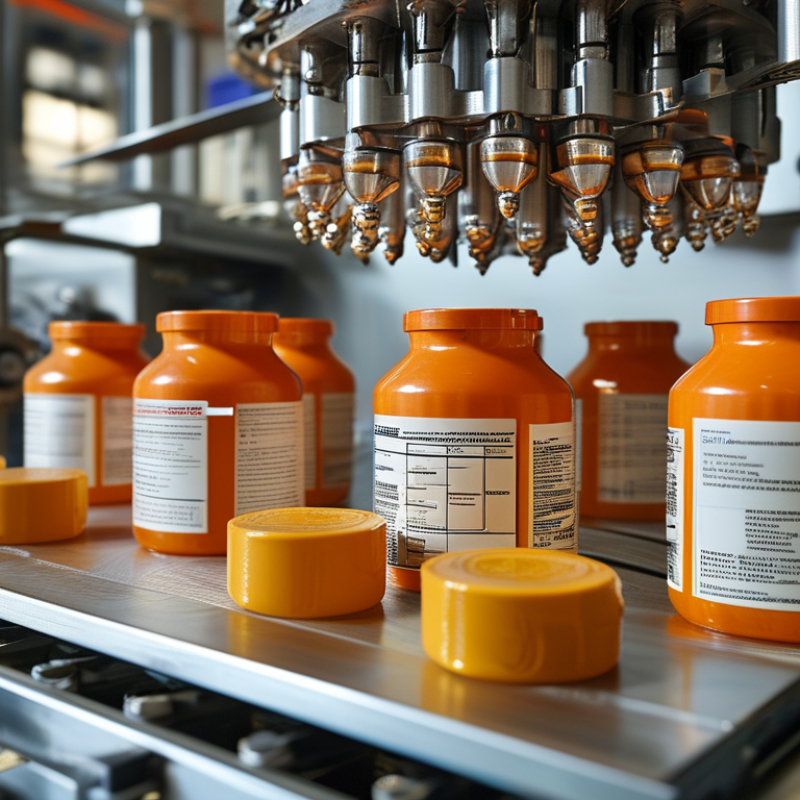
What Certifications Should Food Packaging Equipment Have?

Types of Certifications Relevant to Food Packaging Equipment

When it comes to food packaging equipment, certifications play a crucial role. These certifications ensure safety and quality, which are paramount in the food industry. One common certification is the FDA approval, which confirms that equipment meets safety standards for contact with food. Another important mark is the CE mark, especially for companies exporting goods to Europe. This indicates compliance with health, safety, and environmental protection standards.

Another key certification is ISO 22000. This standard focuses on food safety management systems. It demonstrates a commitment to safe food processing and packaging. HACCP certification is also vital. This preventive approach identifies potential hazards in the food production process. It helps manufacturers implement control measures effectively.

Not all certifications are created equal. While some enhance credibility, others can be more symbolic than substantive. Companies must evaluate which certifications truly matter for their operations. It can be a challenge to navigate the landscape of certifications. Ongoing training and awareness can help ensure that teams are up to date on certification requirements. This awareness helps mitigate risks during production and packaging.

Importance of FDA Compliance in Food Packaging Equipment

When it comes to food packaging, compliance with FDA regulations is crucial. Non-compliance can lead to serious consequences, such as product recalls and legal issues. According to the FDA, improper food packaging contributes to nearly 30% of foodborne illnesses. Ensuring that food packaging equipment meets FDA standards helps mitigate these risks and protects consumers.

Food packaging equipment must pass various tests for safety. These tests verify that materials do not leach harmful substances into food. For instance, packaging materials should be evaluated for migration limits, which is essential to prevent contamination. The FDA sets strict guidelines, and equipment manufacturers must adhere to these regulations to ensure marketability.

Tip: Always request documentation proving FDA compliance from your equipment supplier.

Choosing FDA-compliant equipment can improve a company’s reputation, leading to higher consumer trust. Consumers today are aware and concerned about food safety. Research by Food Marketing Institute shows that 60% of consumers consider packaging safety paramount. This means brands can’t afford to overlook compliance. This underlines the importance of diligent sourcing and robust quality checks.

Tip: Regularly review and audit your equipment for compliance.

Compliance isn't just a checkbox; it’s an ongoing commitment. Regular assessments are necessary to adapt to new regulations. Investing time in education about FDA standards can yield significant benefits. This approach not only safeguards public health but also promotes sustained business growth.

Understanding ISO Standards for Food Packaging Machinery

When it comes to food packaging machinery, understanding ISO standards is crucial. ISO 22000 focuses on food safety management. This standard ensures that companies adopt best practices in hygiene and safety. Compliance with these standards helps mitigate risks in food processing and packaging.

ISO certifications also emphasize the importance of quality. They define the requirements for effective food safety management systems. Companies must demonstrate their ability to control food safety hazards. This involves frequent audits and constant improvement efforts. The complexity of food safety requires ongoing training and assessment.

Achieving ISO certification is not merely a checkbox exercise. It is a commitment to maintaining high standards. Companies often face challenges in adapting to these rigorous requirements. They must assess their processes regularly and make necessary adjustments. This reflexive practice highlights areas for growth and fosters a culture of trust and accountability in food safety.

Key Certifications for Safety and Health in Food Packaging Industry

In the food packaging industry, safety and health are paramount. Various certifications ensure that packaging equipment meets stringent standards. The most recognized certifications include the FDA, USDA, and NSF. Each of these organizations plays a vital role in safeguarding food quality. According to a recent report from the Food Safety Standards Institute, more than 30% of foodborne illnesses are linked to packaging failures.

Food packaging equipment must be designed to avoid contamination. For example, NSF certification guarantees that materials are non-toxic and safe for food contact. This is critical, as over 40% of consumers are concerned about food safety in packaging, as revealed in a 2022 consumer survey. The equipment should undergo rigorous testing to ensure compliance. However, not all manufacturers prioritize these certifications, leading to potential risks. Some companies might overlook key testing procedures.

Moreover, achieving these certifications is not a one-time effort. Continuous compliance and regular audits are necessary to maintain safety standards. According to industry experts, around 25% of food companies face challenges in meeting certification requirements. This can lead to lapses in safety protocols. Consequently, the importance of adhering to these certifications cannot be overstated. They are essential for maintaining industry health and consumer trust.

Key Certifications for Safety and Health in Food Packaging Industry

Environmental Certifications Impacting Food Packaging Equipment Choices

The choice of food packaging equipment can significantly affect environmental impact. Certifications play a critical role in guiding these choices. A report from the International Packaging Association noted that 70% of consumers prefer sustainable packaging options. Equipment that meets environmental standards can help manufacturers respond to this demand.

To ensure compliance, food packaging equipment should possess certifications like FSC (Forest Stewardship Council) and ISO 14001. These certifications signify a commitment to sustainability. However, obtaining such certifications can be a complex process. Many companies find it challenging to navigate the certification landscape. A survey indicated that 45% of manufacturers are unclear about which certifications are most relevant to their operations.

The environmental certifications not only enhance brand image but also can lead to cost savings. Sustainable practices often result in more efficient resource use, reducing waste and energy consumption. However, the initial investment and transition period may be daunting for some companies. Finding the right balance between compliance, cost, and sustainability requires thorough analysis and strategic planning. Companies need to reflect on their long-term goals and the role of certification in achieving them.

FAQS

: What are the key certifications for food packaging equipment?

: Key certifications include FDA approval, CE mark, ISO 22000, and HACCP certification. They ensure safety and quality.

Why is FDA approval important?

FDA approval confirms equipment meets safety standards for food contact. It is crucial for food safety compliance.

What does the CE mark indicate?

The CE mark shows compliance with health, safety, and environmental standards in Europe. It is vital for exporters.

How does ISO 22000 relate to food safety?

ISO 22000 focuses on food safety management systems. It emphasizes safe food processing and packaging practices.

What is the role of HACCP certification?

HACCP certification identifies potential hazards in food production. It helps manufacturers implement necessary control measures.

How do environmental certifications impact food packaging choices?

Environmental certifications guide equipment selection. They help manufacturers meet consumer demand for sustainable packaging.

What challenges do companies face in obtaining certifications?

Many companies find navigating certification processes complex. A lack of clarity on relevant certifications is common.

What are the benefits of sustainable practices in packaging?

Sustainable practices enhance brand image and lead to cost savings. They improve resource efficiency and reduce waste.

What should companies consider when pursuing certifications?

Companies need to evaluate long-term goals and how certifications align with them. Reflecting on this ensures strategic planning.

Are all certifications equally valuable?

Not all certifications enhance credibility equally. Some may be more symbolic than substantive, requiring careful evaluation.

Conclusion

When considering what certifications should food packaging equipment have, it is crucial to understand the various types of certifications that ensure safety, compliance, and quality. The FDA compliance is fundamental, as it guarantees that the equipment meets the necessary standards for handling food products. Additionally, ISO standards provide a framework for consistent quality management and risk control within the food packaging process.

Safety and health certifications are also key factors in the food packaging industry. They ensure that the equipment is safe to use and will not compromise the safety of the packaged food. Furthermore, environmental certifications are becoming increasingly important, reflecting the industry's commitment to sustainability. By adhering to these certifications, manufacturers can make informed decisions about their equipment, ultimately enhancing product safety, regulatory compliance, and environmental responsibility.

Aria

Aria

Aria is a dedicated marketing professional with a deep passion for innovative strategies and a keen understanding of our company's product offerings. With a wealth of experience in the industry, Aria excels at crafting engaging content that highlights the unique features and benefits of our......