As the food industry evolves, understanding how do food packaging machines work becomes crucial. These machines are essential for maintaining food quality and safety. They automate the packaging process, reducing human error and increasing efficiency. In 2026, trends indicate a shift towards more sustainable materials and smart technology integration.
Packaging machines today utilize advanced technology to ensure precision. These machines can fill, seal, and label products quickly, often with minimal waste. However, the rapid advancements pose challenges. Companies must regularly update equipment to stay competitive. Investing in training is also vital. Employees need to understand how do food packaging machines work to maximize their capabilities.
The push for eco-friendly packaging is growing. Many machines now work with biodegradable materials, aligning with consumer preferences. Not all machines can adapt to new materials easily. Producers must assess their equipment's capabilities carefully. This balance between innovation and reliability is key for the future of food packaging.
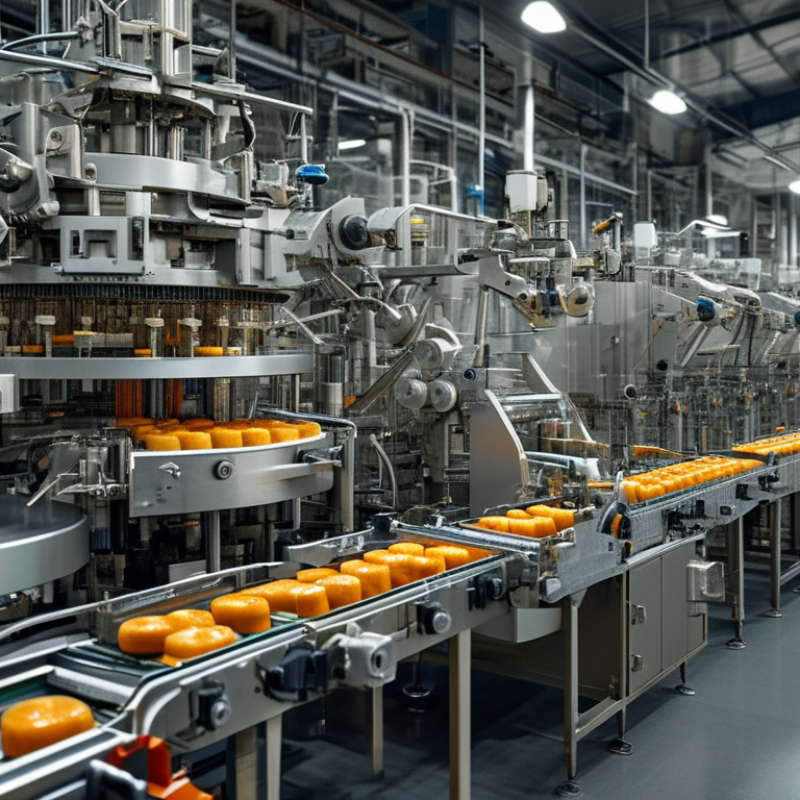
Food packaging machines play a crucial role in the food industry. They ensure that products are safely sealed and preserved. The global food packaging machinery market is projected to grow significantly, with a compound annual growth rate (CAGR) of about 4.5% from 2021 to 2026. This growth indicates a strong need for efficient packaging solutions.
Advancements in technology have transformed these machines. Automation is now a key feature, streamlining production lines for efficiency. For instance, machine learning algorithms can optimize packaging speeds. However, this does raise concerns about potential job displacement. Striking a balance between innovation and workforce impact is necessary.
Tips: Regular maintenance of your packaging equipment can prevent costly downtimes. Always consider user-friendly designs for operators. Emphasizing sustainability in packaging materials has become a priority. The industry's shift towards biodegradable options reflects growing consumer demand for eco-friendly products.
Food packaging machines play a crucial role in ensuring products remain safe and appealing. These machines consist of several key components that enhance efficiency. Sealing mechanisms are vital. They apply heat or pressure to ensure airtight seals. This prevents contamination and extends shelf life.
The filling system is another critical part. It accurately dispenses various types of food into packaging. This helps maintain portions and reduces waste. The conveyor belt aids in transporting products smoothly through the process. Adjustments can be made to accommodate different package sizes and types.
Tips: Regular maintenance is essential for optimal performance. Ensure to check belts and seals frequently. Consider upgrading to energy-efficient models. This can save costs in the long run. Understand that technology evolves. Staying informed about trends is crucial for business growth.
Innovative technologies are revolutionizing food packaging for 2026. Smart packaging is emerging as a key trend. This includes interactive labels that engage consumers. These labels can provide nutritional information using QR codes. They also offer sustainability alerts, helping consumers make better choices.
Another important advancement is the use of biodegradable materials. These materials promise to reduce plastic waste significantly. Companies are experimenting with plant-based plastics and compostable films. These options provide an alternative to traditional plastic that contributes to pollution. However, the challenge remains in maintaining product quality while ensuring biodegradability.
Automation in food packaging is increasing efficiency. Robots and AI streamline production processes. This reduces human error and enhances safety. However, reliance on technology can lead to vulnerabilities. It's crucial to balance innovation with the need for human oversight. The landscape of food packaging is shifting, and businesses must adapt swiftly while navigating these complexities.
The landscape of food packaging is undergoing significant changes as we approach 2026. Efficiency and sustainability are at the forefront of these trends. Modern food packaging machines are designed to minimize waste while ensuring products remain fresh. The push for biodegradable materials is gaining traction. This transition reduces plastic use and lessens environmental impact.
Investing in energy-efficient machines can lead to remarkable savings. These machines consume less power, which benefits both wallet and planet. Consider adopting technologies like vacuum sealing or modified atmosphere packaging. These methods extend shelf life and reduce spoilage. Efficiency is not just about speed; it also involves optimizing resource use.
Tips: Regular maintenance of packaging equipment ensures maximum efficiency. It helps prevent unexpected breakdowns and costly repairs. Moreover, train staff to operate machines correctly. Well-trained employees work faster and produce higher-quality packaging. Transitioning to sustainable practices is a journey, one that requires constant evaluation and improvement. Each step taken today can lead to a more responsible future for food packaging.
Food packaging machines are undergoing significant changes as we approach 2026. One challenge is the increasing demand for sustainable packaging solutions. According to a recent industry report, 73% of consumers prefer eco-friendly packaging. This has led to the development of machines that can utilize biodegradable materials. However, the transition to sustainable materials is not seamless. Many existing machines are not compatible with these new materials, posing a hurdle for manufacturers.
Additionally, automation and smart technology are influencing food packaging trends. A 2023 market analysis stated that robotic packaging systems could improve efficiency by up to 30%. This shift requires a workforce skilled in advanced technologies. Yet, there is a skills gap. Many workers in the food packaging industry lack training in these new automated systems. This gap could slow down the integration of innovative technologies into production lines.
Lastly, regulatory challenges are growing as sustainability and health standards evolve. Compliance with changing regulations can be complex for food packaging machinery manufacturers. A lack of clarity can lead to costly delays. Keeping up with these regulations is critical, yet many companies feel overwhelmed. Balancing technological advancements with sustainability and compliance is a delicate task ahead.
: Key components include sealing mechanisms, filling systems, and conveyor belts.
They apply heat or pressure for airtight seals, preventing contamination and extending shelf life.
It dispenses food accurately, maintaining portion control and reducing waste.
Frequent checks on belts and seals ensure optimal machine performance and prevent issues.
Smart packaging with interactive labels and biodegradable materials are emerging trends.
They use QR codes to provide nutritional information and sustainability alerts.
Maintaining product quality while ensuring materials are biodegradable can be difficult.
Automation increases efficiency and reduces human error, but needs careful oversight.
Yes, over-reliance on technology can create vulnerabilities in production processes.
They need to adapt quickly to stay relevant while balancing efficiency and quality.
In exploring the question of how food packaging machines work, it's essential to begin with an overview of their fundamental principles and operational mechanisms. These machines utilize various key components, such as sealing systems, fillers, and sensors, to ensure products are safely and efficiently packaged. As we look toward 2026, innovative technologies like automation, artificial intelligence, and smart sensors are anticipated to drive significant trends in the industry, enhancing both performance and user experience.
Additionally, the focus on efficiency and sustainability in food packaging solutions is transforming the landscape, pushing manufacturers to adopt eco-friendly materials and practices. However, the future of food packaging machines also faces challenges, including the need for continuous innovation and adaptation to changing consumer preferences and regulatory requirements. As the industry evolves, understanding how food packaging machines work will be crucial for stakeholders aiming to navigate this dynamic environment.

Nexa Machine