In the fast-paced packaging industry, machines are vital for maintaining productivity. However, many companies overlook the importance of regular servicing. According to a report by Packaging Machinery Manufacturers Institute (PMMI), machines that receive consistent maintenance can prolong their lifespan by up to 30%. This prompts the question: how often should packaging machines be serviced?
Experts emphasize the significance of routine checks. James Hargrove, a leading mechanical engineer in packaging, states, "Neglecting regular servicing can lead to unexpected downtime and higher repair costs." He highlights the importance of a well-structured maintenance schedule tailored to specific equipment and usage conditions.
Packaging machines operate under constant stress, which can lead to wear and tear. Neglecting to address these issues can result in inefficient production processes. Regular servicing not only enhances performance but also fosters reliability in output. Companies must reflect on their maintenance practices to ensure peak efficiency.
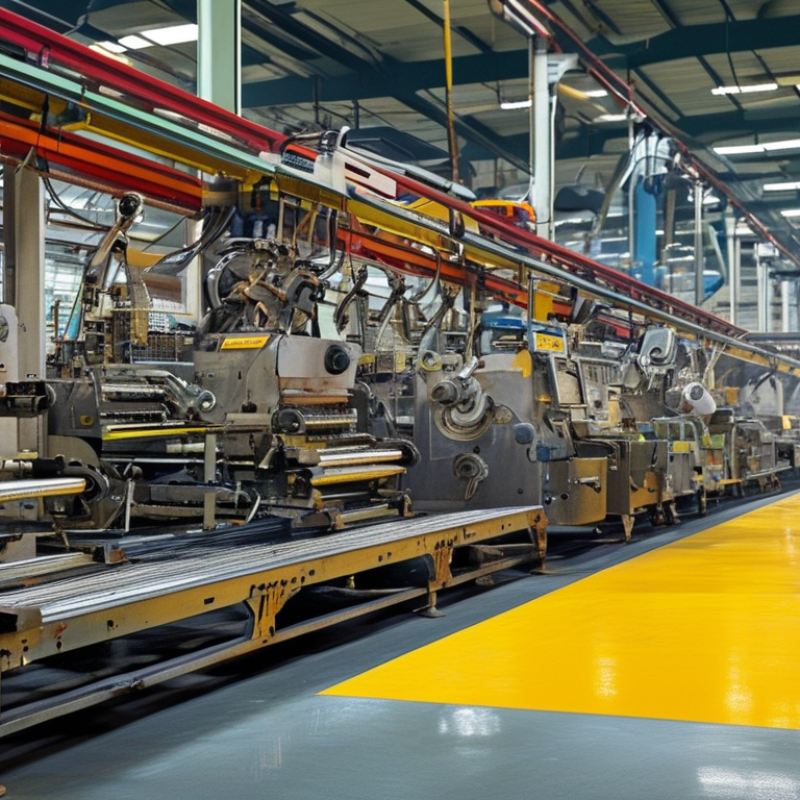
Packaging machines play a vital role in ensuring efficiency and product integrity. However, the frequency of servicing these machines can vary significantly based on several factors. The type of products being packaged is one of the primary components. For instance, products with high variability in size or weight may require more frequent checks. Adjustments might be necessary to maintain optimal performance.
Another influencing factor is the environment in which the machines operate. Dusty or humid conditions can lead to quicker wear and tear on components. Machines situated in such environments may need servicing every few months instead of annually. The complexity of the machinery also matters. Advanced machines with more intricate parts often need more regular attention for preventative maintenance.
User experience is essential in determining these intervals. Operators may notice performance issues that aren't immediately apparent during routine checks. The lack of immediate feedback can lead to delays in servicing. Companies should encourage open communication with their operators to identify problems early. This proactive approach not only enhances performance but also fosters a culture of reliability within production lines.
Regular servicing of packaging machines is essential for maintaining optimal performance. The frequency of service can vary widely based on the type of machine and its usage. For high-speed machines, it is recommended to schedule maintenance every 1 to 3 months. This helps prevent breakdowns and ensures smooth operation.
For semi-automatic machines, maintenance should occur every 6 to 12 months. These machines often operate at lower speeds and may require less frequent servicing. However, overlooking the service schedule could lead to unexpected downtimes. Machines used for critical processes should not be neglected.
Tips: Always keep a detailed log of service dates and issues encountered. This information can help identify patterns or recurring problems. Consider involving the operators in routine checks. Their firsthand experience can offer valuable insights into machine performance, revealing areas for improvement. Regularly reviewing maintenance protocols can ensure that they remain effective and relevant.
Packaging machines play a crucial role in production lines. However, signs of wear can affect their efficiency. If you notice inconsistent sealing or misaligned products, it’s time to check the machines. Unusual noises during operation may indicate underlying issues. Ignoring these signs can lead to downtime, impacting overall productivity.
Regular inspections are imperative. Look for signs of excessive vibration or overheating. These can signal problems that require immediate attention. Scheduled maintenance helps in identifying these issues early. It is not always about the frequency but also the quality of service.
Ignoring small problems can escalate into significant failures. Create a checklist for routine checks based on performance metrics. Track any irregularities in your machines. Your eyes and ears are valuable tools. Being proactive can save costs and enhance overall operation efficiency.
| Indicator | Frequency of Service | Recommended Actions |
|---|---|---|
| Unusual Noises | Immediately | Inspect components for wear or damage |
| Frequent Downtime | Monthly | Conduct regular maintenance checks and updates |
| Decreased Output | Quarterly | Evaluate the machine settings and repair any damages |
| Machine Age Over 5 Years | Every 6 months | Plan for detailed inspections and potential upgrades |
| Frequent Jamming | As needed | Check for foreign objects and mechanical issues |
Maintaining packaging machine performance is crucial for operational efficiency. Regular servicing ensures machines function optimally and prevents potential breakdowns. It can be challenging to determine the right frequency for servicing. However, a few best practices can help.
Daily inspections are essential. Check for any unusual noises or vibrations. Ensure that all safety features are operational. Clean the machine daily to prevent dust and grime from causing wear and tear. Neglecting these simple tasks can lead to costly repairs later.
Monthly servicing should include thorough checks. Replace worn-out parts and lubricate moving components. Monitor the performance of sensors and calibration settings. Gathering feedback from operators can reveal hidden issues. Encourage team discussions on machine performance to identify problems early.
Tips: Keep a maintenance log. Document every service and repair. This provides a clear overview of the machine's health. Regularly review the log to spot patterns that may need attention. Keep spare parts readily available to minimize downtime.
Regular servicing of packaging machines is vital for maintaining efficiency in production lines. It helps to prevent unexpected breakdowns and reduces downtime. When machines are serviced regularly, they run smoother and faster. It ensures that all components are functioning optimally, which leads to better product quality.
Here are some tips to ensure effective servicing of your packaging machines. Schedule routine inspections. Experts recommend checking the equipment every six months. Pay attention to the wear and tear of essential parts. Replace components that show signs of fatigue. This proactive approach can save costs in the long run.
Keep detailed records of all service activities. Documenting repairs and maintenance helps in identifying patterns. If issues arise frequently, it might indicate deeper problems. Regular checks can also lead to improvements in machine performance. Properly serviced machines contribute to higher production volumes and lower operational costs, ultimately benefiting your bottom line. Employing trained professionals can enhance the reliability of service practices and ensure adherence to safety standards.
: The servicing frequency depends on the product type and environment.
Product variability, environmental conditions, and machine complexity affect servicing intervals.
Dust and humidity can accelerate wear on machine components.
Operators should report performance issues. Their feedback is crucial for early detection.
Daily checks for noise, ensuring safety features work, and cleaning are essential.
Monthly services should involve replacing worn parts and checking sensor performance.
A log helps track servicing history and identifies patterns needing attention.
Ignoring daily tasks can lead to costly repairs and machine breakdowns.
It fosters reliability and improves problem-solving in production environments.
Regular team meetings can help identify problems early and enhance performance.
Understanding how often packaging machines should be serviced is crucial for maintaining their optimal performance. Several factors influence the frequency of servicing, including the type of packaging machine, its usage intensity, and the specific operational environment. For different types of machines, recommended service intervals vary, with some requiring more frequent attention due to their complexity or the volume of output.
Recognizing signs that indicate immediate servicing is necessary can prevent costly downtimes and ensure smooth operations. Adopting best practices for maintenance, such as regular inspections and timely troubleshooting, contributes greatly to machine longevity and efficiency. Ultimately, the benefits of regular servicing include minimized breakdowns, enhanced productivity, and improved product quality, making it essential for any production line that relies on packaging machinery.

Nexa Machine