How to Select the Best Packaging Equipment for Food Factories?

Time:2026-07-24 Author:Oliver
0%

Selecting the right packaging equipment for a food factory is crucial. All decisions impact efficiency and quality. A well-chosen machine can minimize waste, ensure safety, and enhance product presentation. Many factors matter in this process, and it is easy to overlook key details.

Before diving into the selection, it’s essential to understand your unique needs. The type of food being packaged greatly influences your choice. This includes shelf life, moisture levels, and necessary temperature controls. It’s about finding the perfect balance between functionality and cost-effectiveness. Businesses often face common pitfalls, such as choosing a machine that lacks flexibility.

Consider also the support and service available from manufacturers. Equipment may require regular maintenance or upgrades. A reliable supplier can make a difference in long-term operations. Ultimately, knowing how to select packaging equipment for a food factory will lead to smarter investments. Thoughtful analysis is key to success in the competitive food industry.
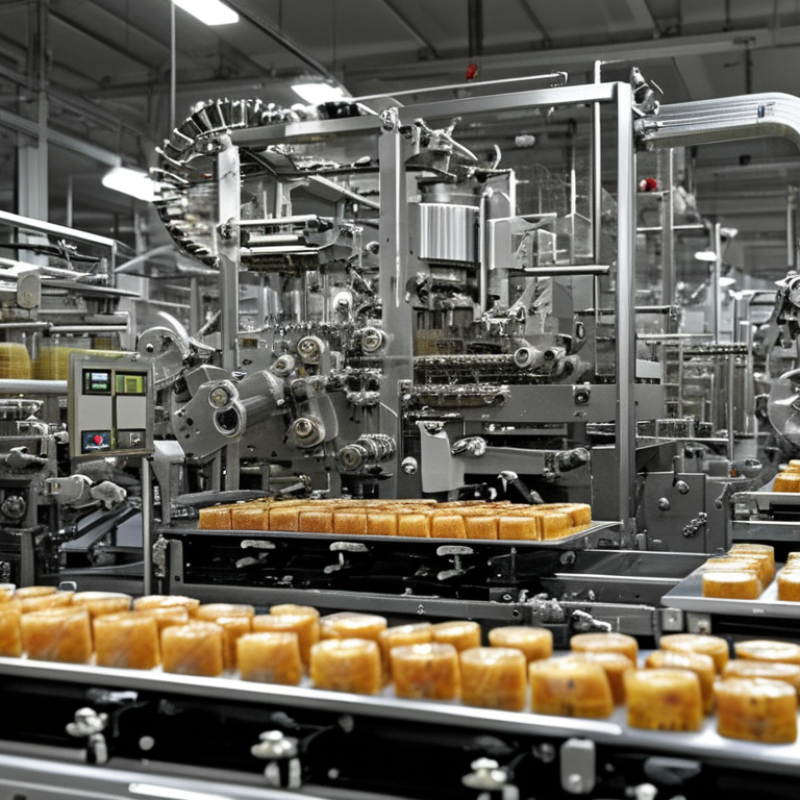
How to Select the Best Packaging Equipment for Food Factories?

Understanding Different Types of Packaging Equipment for Food Products

Selecting the right packaging equipment is crucial for food factories. Different types of equipment cater to various food products. Understanding these types helps optimize efficiency and maintain food safety.

Filling machines, for example, are essential for liquid products. They come in various sizes and can handle different viscosities. It's important to assess the production volume before choosing one. If a factory is scaling up, a larger machine might be necessary. However, smaller operations may benefit from semi-automatic options.

Sealing machines also play a critical role in food packaging. Their main function is to keep food fresh. However, not all sealing methods are equally effective. Factors like material type and product moisture need consideration. Some factories struggle with finding a balance between speed and quality. This can lead to trial and error in selecting the right equipment. Proper training and routine maintenance can help address these challenges.

How to Select the Best Packaging Equipment for Food Factories?

Type of Packaging Equipment Description Key Features Suitable Food Products Estimated Cost ($)
Vertical Form Fill Seal (VFFS) Automates the filling of products into bags Fast operation, precise filling, and compact design Snacks, powders, and granules $25,000 - $45,000
Horizontal Flow Wrappers Wraps food products in a continuous flow of film Versatile, suitable for various shapes Confectionery, bakery items, and fresh produce $30,000 - $60,000
Cartoning Machines Packages products into cardboard boxes High-speed, customizable for different box sizes Dairy, beverages, and frozen foods $40,000 - $80,000
Shrink Wrapping Machines Tightly wraps product in shrink film Enhanced protection, tamper-proof Meat, cheese, and prepared foods $20,000 - $50,000
Labeling Machines Applies labels to products or packages Accurate labeling, quick changeover Bottles, jars, and boxes $15,000 - $35,000

Evaluating Production Needs and Capacity in Food Factories

When evaluating production needs in food factories, understanding the specific requirements of the facility is crucial. Assess the types of food products being packaged. Different products have unique needs in terms of moisture, temperature, and handling. For instance, fragile items require gentle handling, while perishable goods need efficient sealing to ensure freshness.

Capacity is another essential factor to consider. Calculate the expected production volume for peak seasons. Equipment must accommodate this demand without bottlenecking processes. Often, underestimating capacity can lead to increased downtime or compromised product quality. Analyzing your workflow can help identify potential issues and gaps in current operations.

Additionally, investing in versatile equipment can be beneficial. Flexibility in packaging options can accommodate changes in production without significant redesign. However, it is important to balance versatility with reliability. Sometimes, equipment that seems perfect may introduce unforeseen complications that complicate workflows. Regular evaluations and adjustments will enhance overall efficiency and productivity.

Packaging Equipment Selection in Food Factories

Key Features to Consider When Choosing Packaging Equipment

Selecting the right packaging equipment is crucial for food factories. When considering options, key features must be evaluated carefully. According to a recent industry report from Smithers Pira, the packaging machinery market is projected to grow annually by 3.8%. This growth reflects the increasing demand for efficient and reliable equipment in food processing.

One essential feature is speed. The machinery should match production output needs. For example, if a factory processes 10,000 units daily, the equipment must handle that volume efficiently. Energy consumption is another critical factor. More efficient machines reduce operating costs. A study by the Food Packaging Forum indicates that optimizing energy use can lead to up to a 20% cost reduction.

Tips: Evaluate the warranty and service support available. This can save money on repairs and downtime. Regular maintenance is vital for extending equipment life. Also, consider machine compatibility with packaging materials. New materials may require different machinery settings. Not every machine can adapt to new packaging trends seamlessly.

Analyzing Budget Constraints and Cost-Effectiveness of Equipment

Selecting the right packaging equipment is crucial for food factories. Budget constraints play a significant role in this decision-making process. Factories often operate with tight budgets. It's essential to evaluate the total cost of ownership for each piece of equipment. This includes initial purchase costs, maintenance, and operational expenses.

Cost-effectiveness should not just focus on the lowest price. Consider the reliability and efficiency of the equipment. For instance, faster machines may cost more upfront but can lead to greater savings over time. You must analyze long-term benefits. A cheaper machine might break down often, leading to production delays.

Reflecting on the specific needs of your factory is necessary. Different products may require varied packaging methods. What works for one factory may not be suitable for another. Engaging with industry experts can provide valuable insights. Their experiences can highlight potential pitfalls and best practices. Investing time upfront can lead to substantial savings and smoother operations in the long run.

Ensuring Compliance with Food Safety Standards and Regulations

When selecting packaging equipment for food factories, compliance with food safety standards is crucial. The FDA mandates that packaging materials must be safe for food contact. According to a recent report by the Food and Beverage Industry Association, around 20% of food recalls are linked to packaging failures. This statistic highlights the importance of choosing reliable materials that adhere to safety standards.

Monitoring equipment must also be considered. Temperature and humidity control are vital in maintaining food quality. The USDA recommends packaging equipment that can automatically detect abnormal conditions. This ensures that the food remains safe and reduces the risk of spoilage. Regular maintenance of these systems is necessary but often neglected, leading to compliance issues.

Training staff on safety standards is just as important. A considerable knowledge gap exists in many factories. Reports indicate that up to 30% of workers are unaware of compliance protocols. This lack of training can lead to serious mistakes. Investing time and resources into comprehensive training programs can help bridge this gap, ensuring that everyone understands their role in maintaining food safety.

FAQS

: Why is selecting the right packaging equipment important?

: The right packaging equipment ensures efficiency in food processing and meets production demands.

What is a critical feature of packaging machinery?

Speed is essential; it should align with daily production output requirements.

How can energy consumption impact packaging equipment choices?

Efficient machines reduce operating costs. Optimizing energy can cut costs by up to 20%.

What should be considered regarding warranty and service support?

Good warranty and service can save money on repairs and prevent downtime.

How does budget affect equipment selection?

Budget constraints require careful consideration of the total cost of ownership, not just purchase price.

Can cheaper machines lead to problems?

Yes, lower-priced machines may break down more often, causing production delays.

Why is machine compatibility with packaging materials important?

New packaging materials may need different machinery settings; compatibility is crucial.

What should factories reflect on before purchasing?

Specific needs for packaging methods vary; what works for one may not work for another.

How can industry experts assist in equipment selection?

They can provide insights on common pitfalls and highlight best practices based on experience.

What is the risk of neglecting regular maintenance?

Failing to maintain equipment can shorten its life and lead to costly repairs.

Conclusion

When considering how to select packaging equipment for a food factory, it is essential to understand the variety of equipment available and how it aligns with specific production needs and capacity. Different food products may require unique packaging solutions, so evaluating the factory’s requirements is crucial.

Key features such as automation levels, versatility, and ease of maintenance should be weighed against budget constraints to ensure cost-effectiveness. Additionally, compliance with food safety standards and regulations is paramount, ensuring that the selected equipment adheres to industry requirements. By thoroughly analyzing these factors, food manufacturers can make informed decisions that enhance their packaging operations and maintain product integrity.

Oliver

Oliver

Oliver is a seasoned marketing professional with a wealth of expertise in driving brand awareness and engagement. With a deep understanding of our company's product offerings, he consistently delivers high-quality content that enriches our professional blog. His insights not only shed light on......