A crisp pouch, a clear tray, or a paper carton can protect food from moisture, oxygen, and damage. That protection may extend shelf life and prevent waste. However, packaging also consumes materials, energy, water, and transport capacity. Its environmental value is rarely visible on a supermarket shelf.
So, how sustainable is modern food packaging technology? The answer depends on the entire life cycle. A lightweight plastic film may use fewer resources during production than a heavier alternative. Yet recycling facilities may not accept that film. A molded fiber container may appear greener, but coatings can complicate recycling. Small design choices matter.
Food packaging engineers commonly assess these trade-offs through life-cycle analysis. Reliable studies examine raw materials, manufacturing, distribution, consumer use, and disposal. They also consider food safety, shelf life, recycling access, and regional infrastructure. These details prevent attractive claims from replacing measurable evidence.
The discussion should remain practical. A package that protects strawberries during a long delivery route may reduce spoilage. Another package may perform well technically but fail in ordinary household recycling. Real conditions matter.
There is no perfect solution.
This article explores material selection, lightweight design, reusable systems, compostable formats, smart packaging, and waste management. It compares environmental benefits with hidden costs and operational limits. Some evidence remains incomplete, especially across different countries and disposal systems. That uncertainty deserves attention, not convenient conclusions. Sustainable progress requires better data, clearer labeling, responsible manufacturing, and consumers who can make informed choices.
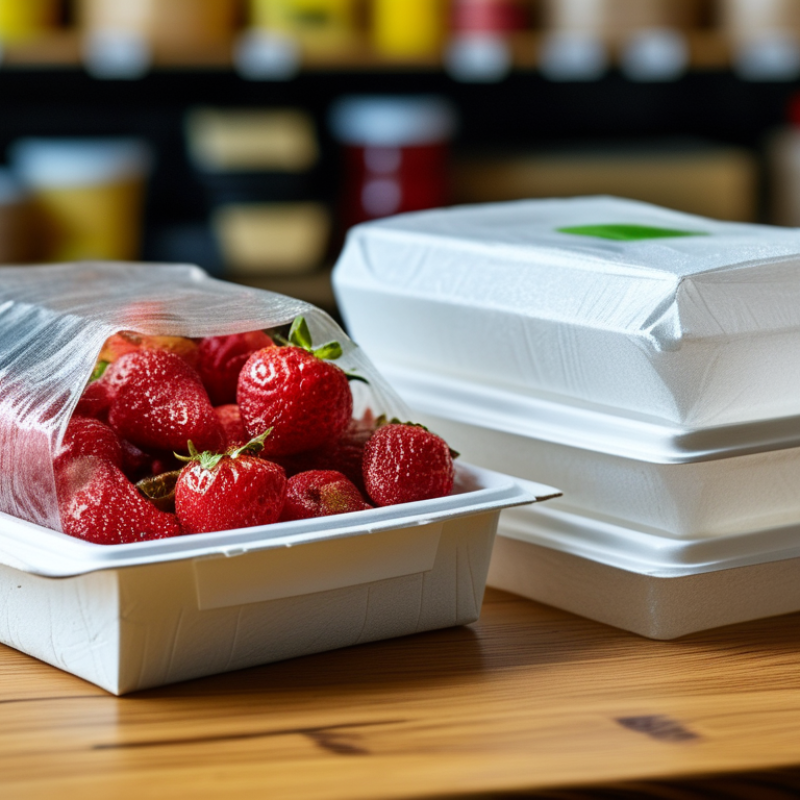
Modern food packaging technology includes far more than a container around a meal. It combines materials, design, processing, and information systems. Common formats include glass jars, metal cans, paperboard cartons, flexible films, and molded fiber trays. Each option protects food from moisture, oxygen, light, pressure, or contamination. A thin barrier coating can slow spoilage without making the package visibly thicker. However, recycling may become harder when several materials are bonded together.
Modern systems also control the atmosphere inside a package. Modified-atmosphere packaging can adjust oxygen and carbon dioxide levels around fresh food. Aseptic processing can keep certain products stable without constant refrigeration. Intelligent labels may show temperature abuse or approaching quality loss. Active packaging can absorb oxygen or release approved protective substances. These technologies require careful food-contact testing and clear instructions for storage and disposal. Small design choices matter.
The trade-off is real. A lighter package may reduce transport emissions but fail during handling. A compostable material may need industrial composting facilities that are unavailable nearby. Not always. In my view, responsible evaluation must examine the entire life cycle, including production, food waste, transport, consumer use, and recovery. Packaging engineers should test real conditions, such as a crushed carton in a humid delivery truck. Laboratory results alone can miss practical failures. Better technology is not automatically more sustainable. It must protect food effectively, use fewer resources, and fit the waste systems people actually have.
Modern food packaging combines lightweight structures, protective barrier layers, recyclable materials, recycled content, and packaging designs that help extend shelf life. This chart compares the 2018 U.S. recycling rates of major materials commonly used in food packaging.
Source: U.S. Environmental Protection Agency, “Advancing Sustainable Materials Management: Assessing Trends in Material Generation and Management in the United States,” 2018 data. Recycling rates measure material recovery and do not represent the complete environmental impact of packaging.
Sustainable packaging begins long before a factory fills a pouch or seals a carton. Development teams examine material origin, production energy, barrier performance, and end-of-life options. The OECD’s Global Plastics Outlook reported 353 million tonnes of plastic waste in 2019. Only 9% was recycled. These figures make material selection a design responsibility, not a marketing detail.
Small choices matter. A thin film may reduce material use, yet it can be difficult to recycle when several layers are bonded together. Paper can appear renewable, but coatings may limit its recovery. Compostable materials also require suitable collection facilities and controlled processing conditions. The UNEP report Turning off the Tap estimates that plastic pollution could fall by 80% by 2040 through reuse, recycling, redesign, and reduced consumption. The pathway sounds practical. It is not simple.
Reliable development uses life-cycle assessment, food-contact testing, shelf-life trials, and pilot-scale manufacturing. Engineers may measure oxygen transfer, moisture resistance, seal strength, and package weight. A package that fails on a warehouse shelf creates more waste than expected. That risk is often underestimated. The Packaging and Packaging Waste statistics from Eurostat also show how heavily packaging contributes to municipal waste in Europe, making recovery systems essential. Developers should test local sorting conditions instead of assuming global compatibility. Some material decisions remain imperfect. Better data, clearer labeling, and honest performance claims are still needed.
Modern food packaging does more than hold a product.
It creates a controlled barrier against oxygen, moisture, light, dust, and microorganisms. A sealed tray can slow oxidation in fresh meat, while a moisture-resistant pouch helps keep crackers crisp.
In practical food handling, even a small torn seal can change the result. The package may look clean, yet its protection has already weakened.
Packaging design also influences shelf life. Oxygen-reducing materials can preserve color and flavor, but they cannot repair poor refrigeration or unsafe handling.
Temperature indicators, tamper-evident closures, and clear date information give workers and consumers useful safety signals. However, these features require careful testing.
A package that works well for dry foods may fail with oily, acidic, or high-moisture products.
Human behavior matters too.
I have seen people trust a printed date while ignoring a swollen container or broken seal. That is not a perfect system.
Manufacturers should test packages under realistic transport, storage, and opening conditions, not only in clean laboratories. Food safety experts should also examine how materials interact with the food over time.
Recyclability is valuable, but it must not reduce barrier performance or encourage contamination. Better packaging balances protection, usability, material responsibility, and honest communication.
Modern food packaging is often judged by its disposal method. That view is incomplete. The environmental cost begins before a package reaches a kitchen shelf.
That footprint starts upstream. Extracting minerals, growing plant fibers, and producing plastics require energy and water. Manufacturing can add heat, emissions, coatings, and chemical residues. Lightweight packaging may reduce transport fuel, but it can become fragile and wasteful when extra layers prevent damage. In practical assessments, the best option depends on the food, distance, storage temperature, and expected shelf life. A package that looks excessive may sometimes prevent spoilage, which carries its own environmental burden.
Use matters too. Resealable designs can protect leftovers and reduce household waste. Yet convenience can encourage single-use habits. Reusable containers are not automatically better; washing them consumes water and energy, especially when they travel long distances for return. The final stage is equally complicated. Recycling needs collection systems, clean materials, sorting capacity, and stable markets. Food residue can lower recovery quality. Compostable materials may require industrial facilities that many communities do not have. Nothing disappears.
I may be too optimistic about recycling when local infrastructure remains weak. Better decisions require measured data, not attractive labels. Life-cycle studies should report material weight, production energy, transport distance, reuse cycles, disposal conditions, and food waste together. Small design changes can matter, but only when the entire chain is examined.
Modern food packaging is sustainable only when its full life is considered. Recycling and reuse often matter more than fashionable materials.
In practice, a package must survive transport, storage, and repeated handling. A thin container may use fewer resources, yet fail after one use. A durable container can reduce waste, but washing it requires water, energy, and reliable collection systems. Local recycling facilities also shape the result. A package labeled recyclable may still be rejected if sorting equipment cannot identify it.
Tips: Choose simple packages with fewer mixed materials. Check local recycling rules before disposal. Reuse containers only when they remain clean, safe, and undamaged. Avoid assuming that every reusable option performs better.
Clear labels help households make better choices. Standard sizes can improve sorting accuracy. Deposit systems may also encourage returns, especially when collection points are convenient. However, recycling rates depend on daily behavior, infrastructure, and package design. One missing collection bin can change the outcome.
Some claims remain too confident. Reuse is not automatically sustainable. Recycling is not a perfect solution. A package may look environmentally responsible while traveling long distances for processing. Manufacturers should measure material use, transport, cleaning, recovery, and actual return rates. Consumers need honest instructions, not vague green language. Better packaging may come from modest design changes, though those changes are easy to overlook.
It combines materials, design, processing, safety testing, and information systems. Glass, metal, paperboard, films, and molded fiber serve different needs. Small design choices matter.
Packaging blocks oxygen, moisture, light, dust, pressure, and microorganisms. A sealed tray can slow oxidation in fresh food. A torn seal changes everything.
It adjusts oxygen and carbon dioxide around fresh food. This can slow quality loss during storage. It cannot fix poor refrigeration or unsafe handling.
Temperature indicators can reveal harmful exposure during transport or storage. Tamper-evident closures may show unwanted opening. These signals need accurate testing.
No. A lighter package may reduce transport emissions but fail inside a crowded delivery truck. More discarded food can erase the material savings.
Not always. Many require controlled industrial composting facilities. If local collection is unavailable, disposal may not work as intended.
Bonded layers can combine paper, plastic, coatings, or barriers. These materials may perform well but resist ordinary sorting systems. Better labels would help.
Developers should examine materials, manufacturing energy, transport, food waste, use, and recovery. They should test crushed cartons in humid trucks. Laboratory results can miss real failures.
Look for broken seals, swelling, unusual damage, and clear storage instructions. Do not trust printed dates alone. I may still miss subtle problems.
Modern food packaging technology includes materials, protective layers, intelligent labels, temperature controls, and designs that help preserve food from production to consumption. To understand how sustainable is modern food packaging technology, it is necessary to examine how packaging materials are developed. Researchers increasingly focus on renewable resources, lightweight structures, safer additives, and materials that can perform well while using fewer natural resources. Packaging also supports food safety and extends shelf life by reducing exposure to moisture, oxygen, light, and contamination, which can help prevent unnecessary food waste.
However, sustainability depends on the entire packaging life cycle. Manufacturing, transportation, energy use, and disposal all create environmental costs, even when a package appears convenient or recyclable. Recycling systems, material separation, and effective collection programs can reduce waste, while reuse may lower impacts when containers are durable and returned efficiently. Ultimately, sustainable packaging requires balancing food protection, resource efficiency, consumer convenience, and realistic end-of-life solutions rather than focusing on a single material or feature.

Nexa Machine