Top 10 Industries That Use Automated Packaging Systems?

Time:2026-09-07 Author:Mason
0%

Automated packaging systems now support far more than high-volume food factories. They measure, fill, seal, label, inspect, and move products with consistent timing. This article examines what industries use automated packaging systems and why their requirements differ. A beverage plant may fill thousands of bottles per hour, while a medical manufacturer may prioritize sterile handling and traceability. Both depend on reliable equipment, but their risks and performance targets are not the same.

The discussion covers food and beverage, pharmaceuticals, cosmetics, e-commerce, agriculture, chemicals, electronics, household products, logistics, and pet care. Each sector presents practical challenges. Fresh produce needs gentle handling and ventilation. Online orders require flexible carton sizes and fast changeovers. Pharmaceutical lines demand documented validation, accurate dosing, and strict contamination controls. Details matter. Sensors, conveyors, vision inspection, and robotic case packing can reduce repetitive labor and packaging errors. However, automation is not a universal shortcut. Poorly matched equipment can create downtime, excessive waste, or difficult maintenance. Not every line needs automation. A careful assessment should consider product shape, material compatibility, production volume, workforce skills, cleaning requirements, and future growth. Industry standards and local safety rules also deserve professional review before installation. The examples ahead reflect common manufacturing practices, although real results vary by facility. That limitation matters. A system that performs well in a large distribution center may be unsuitable for a small producer with frequent product changes. Readers should treat these industries as practical reference points, not fixed formulas.
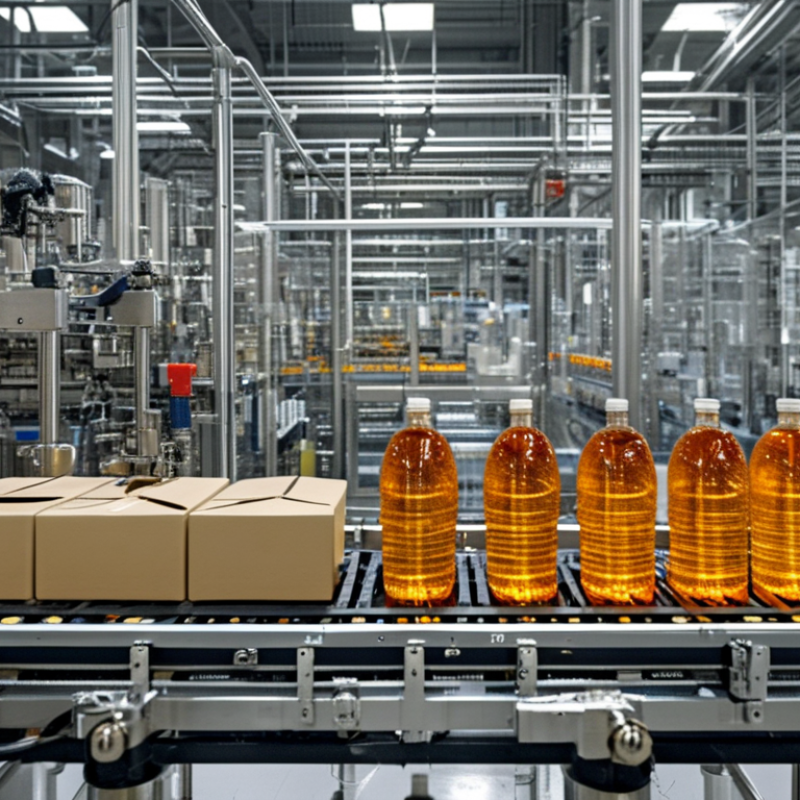
Top 10 Industries That Use Automated Packaging Systems?

Food and Beverage Packaging Automation

Food and beverage packaging is one of the clearest applications for automated packaging systems. Production lines must handle bottles, cans, cartons, pouches, and irregular products at changing speeds. In practice, automation reduces repetitive handling and supports consistent filling, sealing, labeling, and case packing. The Food and Agriculture Organization reports that 13.2% of food is lost between harvest and retail. Better packaging control can reduce damage, leakage, and exposure during this journey.

The scale is significant. Grand View Research valued the global food packaging market at approximately 363.3 billion dollars in 2023, with continued growth expected through 2030. This expansion increases pressure on processors to improve throughput without weakening hygiene controls.

Automated vision inspection can detect incomplete seals, misplaced labels, and damaged containers. Robotic pick-and-place systems also manage delicate products more gently than rushed manual handling.

Small details matter.

However, automation is not a cure-all. A poorly calibrated sensor may reject good products or allow defects to pass. PMMI reports that labor shortages and the need for greater operational efficiency remain major drivers of packaging automation investment. Staff still need practical training, especially during format changes and sanitation procedures. I would not automate every task immediately. A slower, well-monitored line can be safer than a fast system nobody fully understands. Water, temperature, product texture, and packaging material can all change performance unexpectedly.

Pharmaceutical and Cosmetics Packaging Automation

Pharmaceutical and cosmetics packaging automation is moving beyond speed. It now supports traceability, dosing accuracy, and controlled handling. The World Health Organization estimates that one in ten medical products in low- and middle-income countries is substandard or falsified. Automated serialization, vision inspection, and tamper-evident sealing can reduce weak points in distribution.

The U.S. Food and Drug Administration’s Drug Supply Chain Security Act requires package-level tracing for prescription medicines. This requirement encourages connected printers, scanners, and software. Automated lines can verify batch codes, expiry dates, labels, and carton counts in real time. Small errors become visible sooner. That matters.

Cosmetics manufacturers face different pressures. Euromonitor International reports that global beauty and personal care sales continue expanding, while consumers increasingly examine ingredients and packaging claims. Flexible filling systems can handle creams, serums, powders, and small trial formats with fewer changeover delays. Cleanable stainless-steel surfaces also support hygienic production. Yet automation is not magic. A poorly trained vision system may repeat the same mistake thousands of times. Human review still matters, especially when reflective bottles, transparent films, or unusual closures confuse sensors. PMMI packaging-industry reports consistently identify labor shortages, flexibility, and compliance as major automation drivers. The practical lesson is simple: select systems around product risk, inspection needs, and documented process control, not impressive machine speed.

Top 10 Industries Using Automated Packaging Systems

Pharmaceutical and cosmetics manufacturers are among the leading users of packaging automation because their operations require precise filling, labeling, inspection, traceability, cartoning, and consistent quality control. The score represents the number of eight commonly automated packaging stages used across each industry, rather than market share.

E-Commerce and Retail Packaging Automation

E-commerce and retail packaging automation is moving from a speed advantage to an operational necessity. The U.S. Census Bureau reported approximately $1.12 trillion in U.S. retail e-commerce sales during 2023. That volume creates relentless pressure on warehouses. Workers must select cartons, insert products, seal parcels, and print labels with consistent accuracy.

161.8 billion parcels The Pitney Bowes Parcel Shipping Index recorded 161.8 billion parcels worldwide in 2022. Automated packaging systems help retailers handle this flow through carton sizing, robotic case packing, and automated labeling. A smaller box can reduce void fill, shipping space, and material use. On a busy line, sensors can measure a product in seconds. Then, the system chooses a suitable package. Speed matters. So does repeatability.

Real operations remain less perfect. Products may arrive in unusual shapes, damaged cartons may disrupt feeding, and seasonal peaks can expose weak maintenance plans. Human inspection still matters. The Packaging Machinery Manufacturers Institute has repeatedly identified labor availability and workforce skills as major packaging challenges in industry research. Retailers should therefore evaluate changeover time, software integration, operator training, and maintenance access before purchasing equipment. Automation should remove repetitive strain, not create a complicated machine nobody can confidently repair. A practical pilot, using real orders and peak-season conditions, often reveals more than a polished demonstration.

Chemical and Agricultural Product Packaging Automation

Chemical and Agricultural Product Packaging Automation

Chemical and agricultural facilities handle powders, liquids, granules, and concentrated formulas. Each material behaves differently during filling. Automated packaging systems use calibrated weighing, controlled dosing, and sealed transfer points to improve consistency. Operators can monitor fill weights, container presence, and sealing pressure from a central interface.

Dust control matters in fertilizer and powdered chemical operations. Enclosed conveyors, extraction units, and carefully positioned sensors help reduce airborne particles. Liquid products need different safeguards. Drip-free valves, corrosion-resistant contact surfaces, and level sensors can prevent spills around filling stations. Clear batch coding also supports traceability during storage and distribution.

In daily production, automation reduces repetitive lifting and limits direct contact with irritating materials. It can also detect underfilled bags or poorly sealed containers before shipment. Small errors still happen. A sensor may misread a dusty package. A formula change may require new settings. Skilled technicians must inspect equipment, verify calibration, and review production records regularly. Cleaning routines deserve equal attention, especially when switching between agricultural products. Residue can affect the next batch. The strongest system is not the fastest one. It is the system that workers can operate safely, maintain easily, and adjust when real conditions differ from the plan.

Top 10 Industries That Use Automated Packaging Systems? - Chemical and Agricultural Product Packaging Automation
Rank Industry Representative Products Typical Package Formats Common Automated Operations Key Packaging Controls Typical Pack-Size Examples
1 Food and Beverage Dry foods, snacks, beverages, sauces, frozen products and ready-to-eat meals Flexible pouches, cartons, cans, bottles, trays and cases
  • Product weighing and multi-lane filling
  • Form-fill-seal and tray sealing
  • Cartoning, case packing and palletizing
Accurate portion control, seal integrity, metal detection, date coding and hygienic equipment design Approximately 10 g to 25 kg, depending on the product and distribution channel
2 Pharmaceuticals Tablets, capsules, powders, liquids, vials, syringes and prescription products Bottles, blister packs, sachets, cartons, ampoules and temperature-controlled shippers
  • Counting, dosing and liquid filling
  • Blister forming and cartoning
  • Serialization, inspection and aggregation
Product traceability, tamper evidence, cleanability, container-closure integrity and documented batch control Single-dose packs to multi-unit bottles and shipping cases
3 Chemical Products Industrial chemicals, detergents, coatings, solvents, adhesives and specialty formulations Plastic or metal drums, pails, jerry cans, bottles, lined bags and intermediate bulk containers
  • Gravimetric or volumetric filling
  • Cap placement, torque control and leak testing
  • Label application, case packing and pallet wrapping
Chemical compatibility, hazardous-area controls where required, dust or vapor containment, grounding, accurate fill weight and compliant hazard labeling Approximately 250 mL to 1,000 L, based on concentration, hazard class and handling method
4 Agricultural Products Seeds, fertilizers, crop-protection products, soil amendments and animal-feed additives Paper or woven sacks, laminated bags, pouches, bottles, drums and bulk containers
  • Net-weigh filling and high-speed bag closing
  • Bag stitching, heat sealing and palletizing
  • Batch coding, checkweighing and automated material handling
Moisture protection, dust control, formulation segregation, weight accuracy, lot traceability and legally required product labeling Small seed sachets to 25–50 kg bags; bulk containers may reach approximately 1,000 L
5 Cosmetics and Personal Care Skin-care products, shampoos, lotions, fragrances, oral-care products and toiletries Tubes, bottles, jars, pumps, aerosol containers, sachets and cartons
  • Liquid, cream and gel filling
  • Cap, pump and closure insertion
  • Labeling, cartoning and bundling
Fill-level consistency, appearance inspection, closure placement, leak prevention and batch/date identification Approximately 5 mL to 2 L for consumer packs
6 Household and Institutional Cleaning Liquid cleaners, powders, disinfectants, laundry products and maintenance chemicals Trigger bottles, refill pouches, cartons, canisters, bottles and drums
  • Liquid and powder dosing
  • Cap feeding, induction sealing and labeling
  • Case packing, palletizing and stretch wrapping
Leak prevention, chemical-resistant contact parts, dosing accuracy, label legibility and safe handling of concentrated products Approximately 250 mL to 25 L for packaged products
7 Pet Food and Animal Nutrition Dry kibble, wet food, treats, supplements and feed premixes Stand-up pouches, cans, trays, paper bags, woven sacks and bulk bags
  • Multihead weighing and volumetric filling
  • Pouch forming, sealing and coding
  • Case packing, palletizing and warehouse conveyance
Accurate weight, oxygen and moisture barriers, seal inspection, allergen control and lot-code traceability Approximately 50 g to 25 kg for retail and professional-use packs
8 Building Materials Cement, mortar, grout, plaster, gypsum products, insulation materials and construction additives Paper sacks, plastic bags, woven sacks, cartons, pails and bulk bags
  • High-speed bag filling and closing
  • Robotic bag stacking and palletizing
  • Dust extraction, wrapping and load stabilization
Dust suppression, package strength, accurate net weight, moisture protection and pallet stability Approximately 5 kg to 50 kg bags; bulk packaging may exceed 500 kg
9 Medical Devices and Healthcare Supplies Sterile instruments, test kits, dressings, tubing, gloves and disposable supplies Medical pouches, trays, blister packs, cartons and protective shipping cases
  • Tray loading and pouch sealing
  • Vision inspection and label verification
  • Cartoning, serialization and case packing
Validated sealing, cleanliness, sterile-barrier integrity, foreign-material detection and complete lot traceability Individual sterile units to multi-unit cartons and transport cases
10 E-Commerce and Contract Fulfillment Mixed consumer goods, spare parts, subscription products and direct-to-consumer orders Corrugated cartons, mailers, padded envelopes, paper bags and reusable totes
  • Automated order picking and dimensioning
  • Carton erection, print-and-apply labeling and sealing
  • Sortation, weighing and shipping verification
Barcode accuracy, right-size packaging, order completeness, dimensional-weight control and damage reduction Single-item parcels to multi-item cartons, commonly below 30 kg per shipment
Pack-size examples are broad industry ranges and vary according to product density, hazard classification, handling requirements, regulations and distribution channel.

Automotive, Electronics, and Logistics Packaging Automation

Automated packaging systems are changing how automotive, electronics, and logistics companies protect products and control production. In automotive plants, robotic arms pack brake parts, sensors, and trim components into fitted cartons. Foam inserts reduce movement during transport. Label printers also connect packaging data with production records.

The details matter. A crushed corner can delay a parts shipment. Poor sealing can expose electronic components to moisture or static damage. Electronics facilities often use antistatic materials, controlled handling, and camera inspection. These systems verify labels, count units, and detect missing protective layers. Small errors become expensive quickly.

Logistics operations face a different challenge: constant product variation. Automated machines measure each parcel, select suitable packaging, and apply labels at high speed. Conveyors and scanners reduce manual lifting and improve tracking accuracy. Yet automation is not flawless. A reflective surface may confuse a camera, while irregular products can stop a packing line. Engineers must test real items, not only ideal samples. Sometimes a slower system creates fewer mistakes. That trade-off deserves honest review.

FAQS

: How does packaging automation help food and beverage production?

: It supports consistent filling, sealing, labeling, and case packing. Lines can handle bottles, cans, cartons, pouches, and irregular products. This reduces repetitive handling and may limit leakage or product damage.

Can automation reduce food loss during distribution?

Better packaging control can reduce damage, leakage, and exposure. One global estimate places food loss between harvest and retail at 13.2%. Packaging helps, but it cannot solve every supply-chain problem.

What can automated vision inspection detect?

Vision systems can identify incomplete seals, misplaced labels, and damaged containers. They inspect products quickly while the line continues operating. A dirty lens may create false decisions.

Are robotic systems suitable for delicate food products?

Robotic pick-and-place equipment can handle delicate products more gently than rushed manual work. Speed and grip pressure still require careful adjustment. Gentler handling matters.

Why is worker training still important after automation?

Staff must understand format changes, sanitation routines, sensor checks, and emergency procedures. A fast line is risky when operators cannot explain its settings. Human oversight remains necessary.

How are powders and liquids packaged safely?

Calibrated weighing and controlled dosing improve consistency for powders, granules, and liquids. Sealed transfer points can reduce spills and direct contact. Different materials need different equipment.

What controls help reduce dust and liquid spills?

Enclosed conveyors and extraction units can limit airborne particles from powdered products. Drip-free valves, corrosion-resistant surfaces, and level sensors support liquid handling. Good housekeeping still matters.

What problems can occur during agricultural product changes?

A new formula may require different filling and sealing settings. Residue from an earlier product can affect the next batch. Cleaning and calibration should be checked before production resumes.

Is the fastest automated line always the best choice?

Not always. A slower, monitored line may be safer and easier to maintain. Real conditions can change because of water, temperature, product texture, dust, or packaging material. The best system is practical, adjustable, and understandable to its operators.

Conclusion

Automated packaging systems are transforming how products are prepared, protected, and delivered across many sectors. For anyone asking, “what industries use automated packaging systems,” the answer includes food and beverage, pharmaceuticals, cosmetics, e-commerce, retail, chemicals, agriculture, automotive, electronics, and logistics. These systems can improve filling, sealing, labeling, inspecting, and palletizing while supporting consistent quality and efficient production.

In food and beverage operations, automation helps handle products safely and maintain reliable throughput. Pharmaceutical and cosmetics companies use controlled packaging processes to support hygiene, accuracy, and product protection. E-commerce and retail businesses benefit from flexible solutions that manage different package sizes and order volumes. Chemical and agricultural manufacturers require durable, carefully controlled packaging, while automotive and electronics producers depend on protective materials that reduce damage during handling and transport. In logistics, automated packaging supports faster distribution and more organized shipment preparation.

Mason

Mason

Mason is a seasoned marketing professional with a deep expertise in the company's offerings and a passion for driving brand awareness. With a strong background in digital marketing strategies, he has an innate ability to connect with diverse audiences and effectively communicate product benefits.......