In recent years, food packaging automation has undergone significant transformation. As we approach 2026, understanding what are the latest trends in food packaging automation becomes crucial for industry stakeholders. According to a report by Allied Market Research, the global food packaging automation market is expected to reach $25 billion by 2027, growing at a staggering rate of 10.5% annually. This surge reflects the industry's urgency to enhance efficiency and sustainability.
A notable trend is the integration of smart technology. Companies are increasingly adopting Internet of Things (IoT) devices to optimize processes and reduce waste. This shift not only improves operational efficiency but also contributes to environmental sustainability. However, challenges remain. Many companies struggle with outdated systems and the high costs of new technology. The investment in automation must align with long-term goals, prompting companies to evaluate the return on investment carefully.
Another significant trend is the rise of eco-friendly packaging materials. Research from Smithers Pira highlights that 52% of consumers prefer sustainable packaging options. This preference is reshaping production practices. Yet, the transition to greener materials can be complex and costly. Businesses must reflect on these challenges while adapting to evolving consumer demands in food packaging automation.
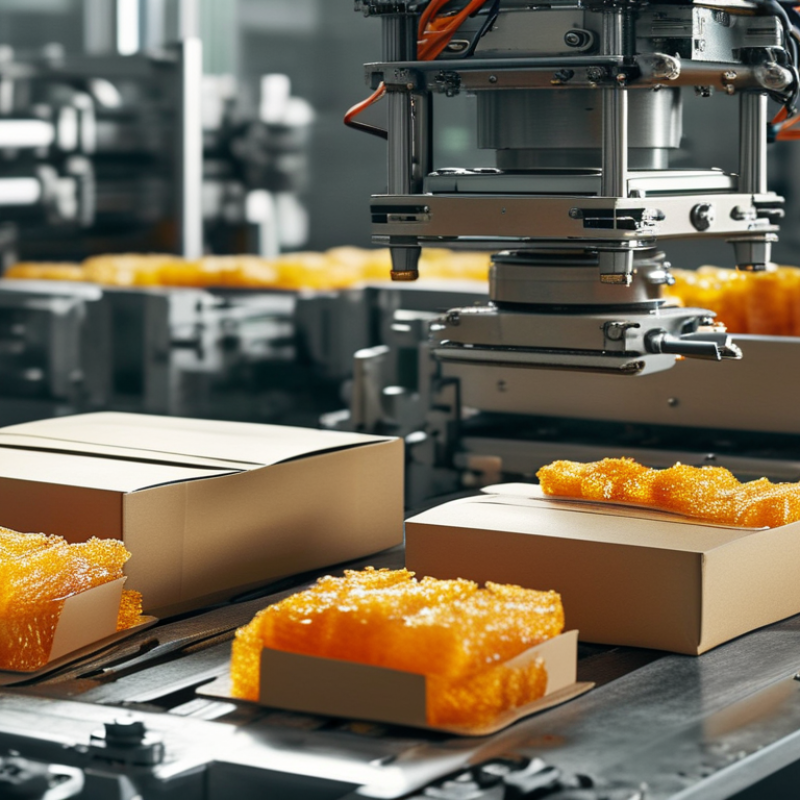
The food packaging automation landscape has dramatically evolved recently. According to a report by HBR, the market for automated packaging in the food sector is projected to grow at a CAGR of 8.7% through 2027. This growth stems from the need for efficiency and cost reduction in manufacturing processes. Modern machinery offers speed, precision, and can handle diverse packaging materials.
Several technologies have emerged, including robotics for sorting and palletizing. These innovations help meet increasing consumer demands for sustainability. A survey by Smithers Pira indicated that over 45% of consumers prefer eco-friendly packaging. However, the swift advancement of technology also raises questions. Not all automation solutions are suitable for every product. Smaller companies may struggle to afford these high-tech options.
The focus is shifting towards intelligent automation systems that adapt to various requirements. This change signifies a blend of human oversight and machine efficiency. While the potential is significant, it is crucial to reflect on the implications of job displacement. Balancing technology and employment remains a challenge for the industry.
: The landscape has evolved significantly, focusing on efficiency and cost reduction. Growth is projected at 8.7% CAGR till 2027.
Advances in technology aim to enhance speed, precision, and adaptability in handling diverse packaging materials.
Over 75% of consumers prefer sustainable packaging, pushing companies to adopt automated, eco-friendly solutions.
Not all solutions fit every need. Smaller companies may struggle with high costs of advanced technology.
Integration issues persist. Many companies find it hard to maximize the benefits of automation due to these challenges.
Key technologies include machine learning and robotics, enhancing efficiency and accuracy in packaging processes.
Reflecting on job displacement is important. Companies must find solutions that balance tech advancements with human employment needs.
E-commerce increases demand for protective packaging. Nearly 70% of consumers focus on safety during delivery.
Training employees on new systems is crucial for seamless transitions. Flexible machines may also offer long-term cost-effectiveness.
Adapting to consumer insights ensures packaging reflects product quality. Companies must continually adjust their strategies for relevance.
The food packaging industry has undergone significant evolution in recent years, primarily driven by advancements in automation technologies. Key innovations, including robotics and AI, are shaping what are the latest trends in food packaging automation, enhancing efficiency and precision in packaging processes. The push for sustainability has also led to a rise in eco-friendly packaging solutions, reflecting growing consumer preferences for environmentally responsible products.
Furthermore, consumer behavior plays a pivotal role in influencing these trends, as there is an increasing demand for convenience and transparency in packaging. As the industry moves forward, the integration of advanced technologies will continue to redefine food packaging automation, ensuring it meets both market demands and sustainability goals effectively. The future promises a deeper synergy between AI and robotics, transforming the landscape of food packaging to be more efficient and sustainable.

 Nexa Machine