High-throughput machinery engineered for precise filling, sealing, and smart packaging operations.
The industrial landscape of food processing and retail distribution has undergone a massive paradigm shift. As consumer dynamics demand fresh, clean-label products free from chemical preservatives, the burden of preservation falls heavily upon physical packaging technology. Vacuum packaging has emerged as the premier non-chemical intervention to achieve this. By extracting atmospheric oxygen from the packaging environment, aerobic micro-organisms and oxidation processes are brought to a complete halt.
Globally, the market for vacuum packaging machinery is driven by two main factors: the reduction of industrial food waste and the global footprint of supply chains. Today, fresh food logistics span continents. Without high-barrier films combined with airtight sealing, shipping fresh proteins, cheese, and ready-to-eat meals over long distances would be economically impossible.
"The shift toward Modified Atmosphere Packaging (MAP) and advanced vacuum chambers is not merely a preservation trend; it is a critical strategy for supply chain resiliency, allowing global food brands to extend shelf life by up to 400% without quality degradation."
Additionally, modern global supermarket chains enforce strict requirements on shelf-life guarantees. This puts immense pressure on food processors to invest in packaging systems that guarantee consistent seal integrity, high throughput, and zero structural failures. From meat processing plants in North America to seafood exporters in Southeast Asia, automated packaging systems have transitioned from a luxury to an operational necessity.
Excellence in engineering backed by data. We optimize every link in the manufacturing process to deliver peak performance.
China's industrial packaging machinery sector has evolved far beyond basic assembly. Today, clusters like the Ningbo industrial zone host a deeply integrated ecosystem of precision CNC shops, specialized metallurgy centers, sensor manufacturers, and software engineers. This close proximity reduces turnaround times for customized tooling and prototype engineering from months to weeks.
By sourcing raw materials like SUS304 and SUS316 stainless steel at scale and integrating world-class electronics (such as Mitsubishi PLCs and Omron temperature controllers), Chinese manufacturers offer systems that match European standards at a highly competitive Total Cost of Ownership (TCO).
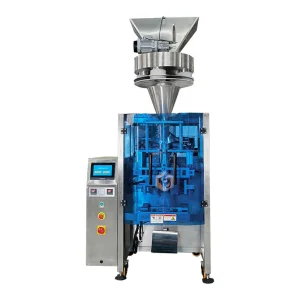
At Ningbo Nexa Machine Co., Ltd., we combine the speed of Chinese supply chains with strict quality management protocols. Our machines are built with modular designs, allowing us to adapt standard vertical form fill seal (VFFS) systems or double-chamber vacuum sealers to fit seamlessly into existing customer lines.
Our customization workflow covers everything from specific pouch configurations (such as stand-up, pillow, or gusset bags) to integration with complex multihead weighers, metal detectors, and automatic boxing lines. This ensures every system is ready to plug in and run on arrival.
Enables quick modifications and scaling to accommodate dynamic factory floor layouts and evolving product lines.
Combines fast pneumatic operation with precise servo motor controls to ensure smooth movement and accurate filling.
Intuitive multi-language touchscreen systems simplify training, machine calibration, and troubleshooting for operators.
Every unit undergoes strict quality control and multi-day test runs before shipping to ensure long-term reliability.
Vacuum and automated packaging requirements vary significantly depending on the application and region. Different industries face unique regulatory standards, environmental conditions, and material requirements.
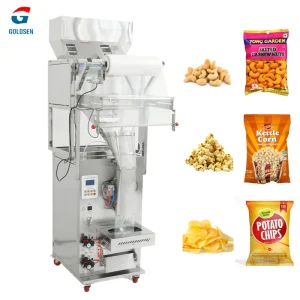
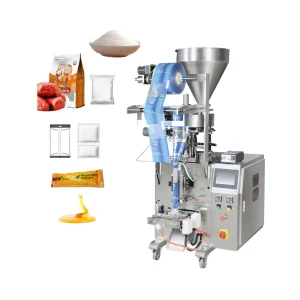
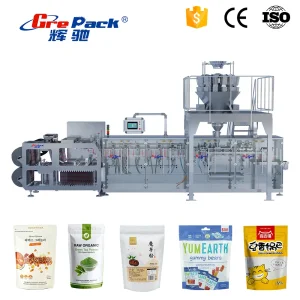
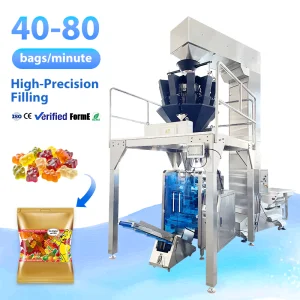
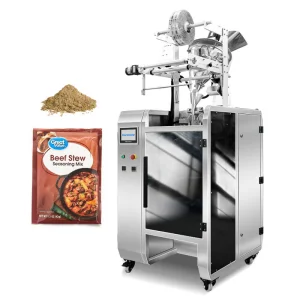
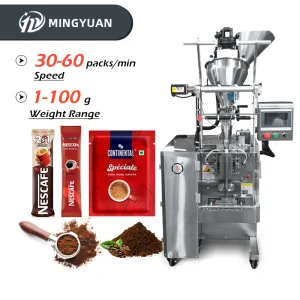
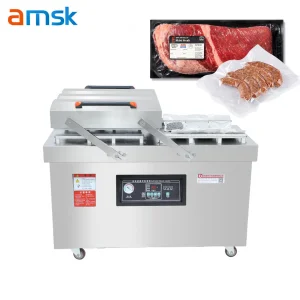
In high-volume food processing, speed and hygiene are top priorities. For instance, dried fruits, sugar, and grains require vertical packaging machines linked to multihead weighers for fast sachet filling. Meanwhile, processed meats like sausages, bacon, and steaks depend on double-chamber vacuum sealers (like our DZ-400) to pull tight vacuums and create hermetic seals. These setups help prevent freezer burn and oxidation while maintaining moisture levels.
Additionally, fresh-cut produce and ready-to-eat meals benefit from Modified Atmosphere Packaging (MAP). By replacing ambient air with a custom mixture of nitrogen, carbon dioxide, and oxygen, MAP extends freshness without altering food structure.
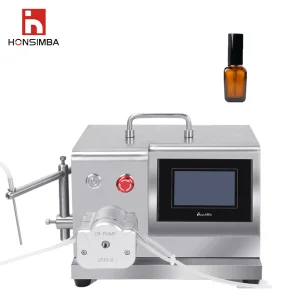
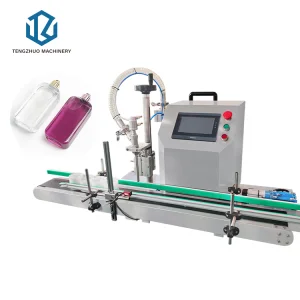
Industrial packaging extends beyond food. In the medical and pharmaceutical sectors, packaging machinery must maintain sterile barriers. Liquid filling systems using high-precision peristaltic pumps are essential for essential oils, medical reagents, and cosmetics, where preventing cross-contamination is critical.
For chemical and industrial hardware manufacturers, packaging serves as a shield against rust and corrosion. Small metal parts, electronics, and delicate components are vacuum-sealed to prevent air and moisture from causing oxidation during long transit times.
Purchasing automated packaging machinery is a long-term capital investment. To ensure high return on investment and smooth operational integration, procurement managers should evaluate suppliers against several key criteria:
Ningbo Nexa Machine Co., Ltd. is a leading food packaging machine manufacturer specializing in the design, development, and supply of automatic systems. Take a look at our production floor, assembly lines, and global shipping operations.
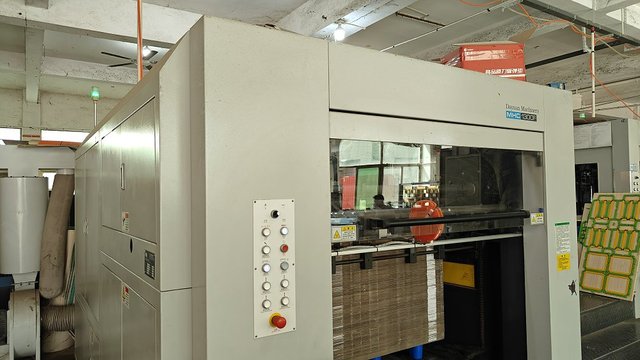
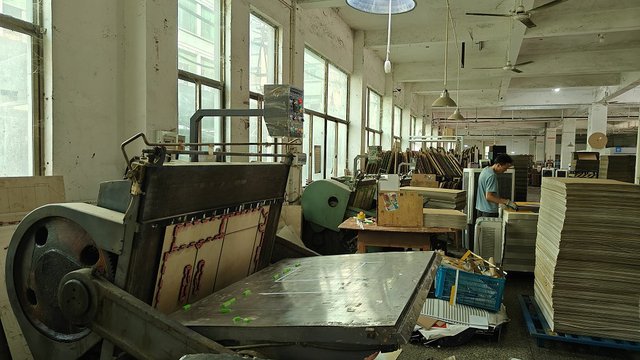
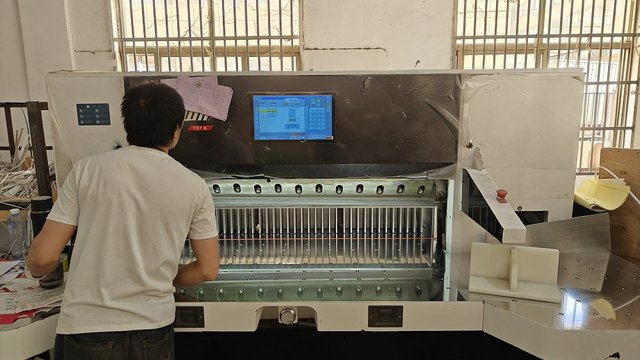
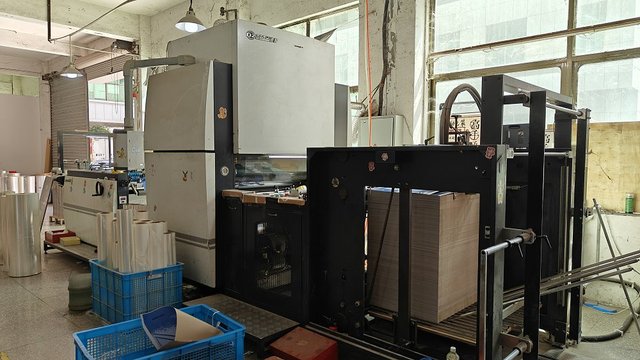
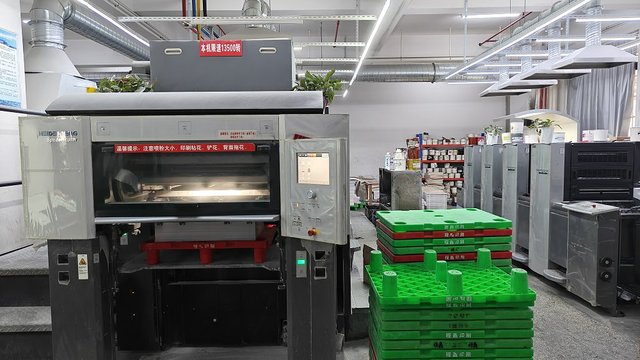
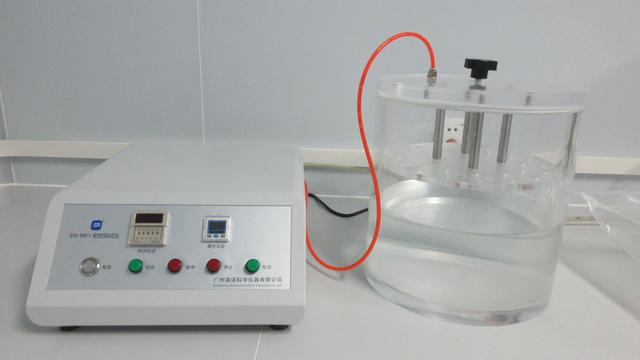
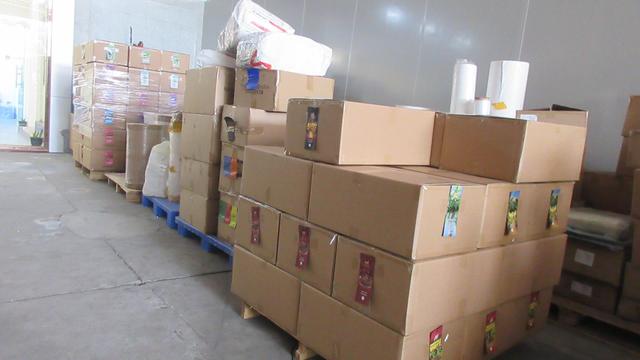
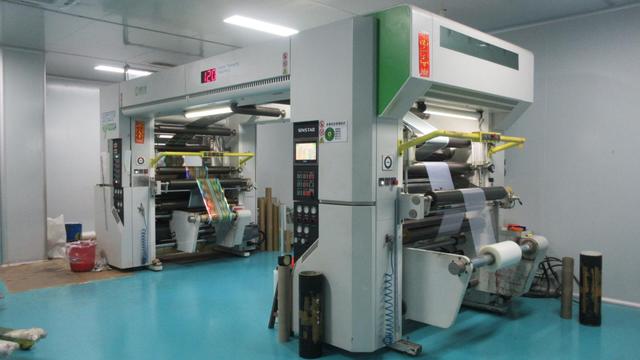
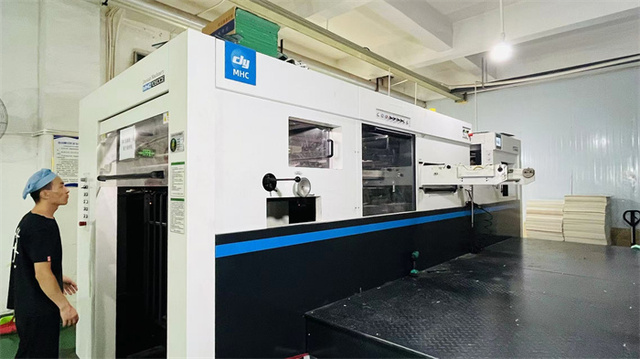
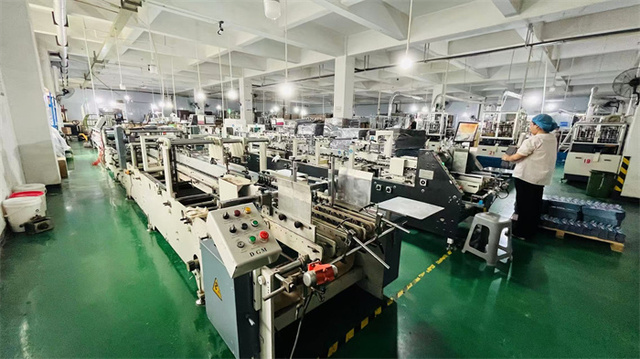
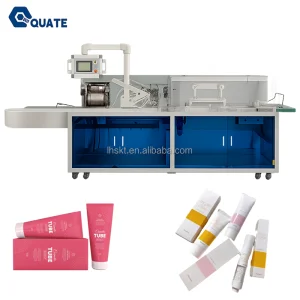
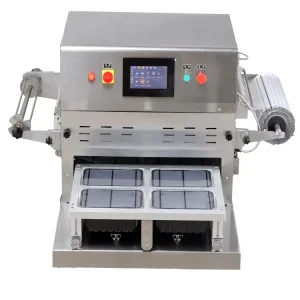
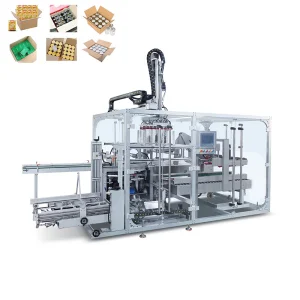
Advanced liquid fillers, MAP tray sealers, heavy-duty vacuum systems, and automated cartoning equipment.
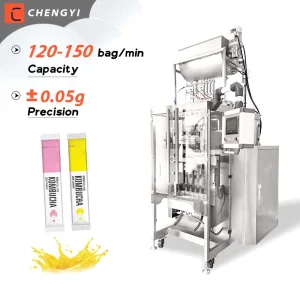
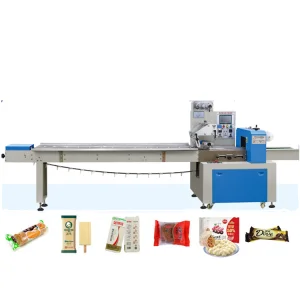
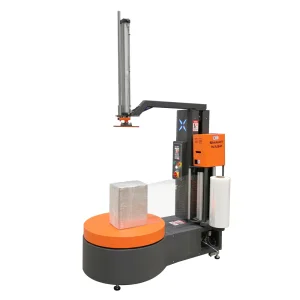
The packaging industry is shifting toward smart, automated, and sustainable operations. As manufacturers worldwide face labor shortages and fluctuating energy costs, modern machinery must do more than just wrap packages. Today, systems are expected to actively optimize resource use and adapt to changing conditions.
Key developments include the integration of IoT sensors that monitor vacuum levels and sealing temperatures in real time. This allows operators to run predictive maintenance and fix small issues before they cause costly downtime.
Sustainability is also changing the types of materials processed. New regulations are pushing brands away from multi-layer films toward mono-materials and plant-based bioplastics. Advanced packaging machinery must handle these heat-sensitive films without burning or tearing them.
At Ningbo Nexa Machine Co., Ltd., we are continually refining our sealing technologies and control algorithms to ensure compatibility with next-generation packaging materials, helping our customers stay ahead of environmental standards.
Clear, straightforward answers to common questions about industrial vacuum systems, gas flushing, and choosing the right equipment.
Standard vacuum packaging removes oxygen and pulls the film tight against the product. This works well for hardier foods like meats, cheeses, and grains. However, soft or fragile items like potato chips, salad greens, and soft baked goods would crush under a vacuum.
Modified Atmosphere Packaging (MAP) works by extracting oxygen and replacing it with a custom gas mixture (typically nitrogen and carbon dioxide). This food-grade gas blend prevents spoilage and mold growth without collapsing the package, protecting the shape and texture of delicate foods.
We use high-precision PID temperature controllers alongside advanced heating elements to maintain consistent temperatures across the sealing bars. Our systems allow operators to fine-tune sealing temperature, pressure, and duration through the touchscreen control panel. This precise control makes it easy to adjust the machine for different films, including thick laminates, co-extruded barriers, and eco-friendly mono-plastic alternatives.
Routine maintenance keeps vacuum sealers running reliably. Key tasks include checking and changing the vacuum pump oil regularly, keeping the sealing wire and Teflon tape clean, and inspecting the silicone gaskets for wear. We design our equipment with quick-access maintenance doors, making these routine checks easy for operators to perform, which helps prevent unexpected downtime.
Yes. Our machines are built with industry-standard communication protocols (such as Modbus or Profinet). This allows them to connect directly with upstream processing equipment, multihead weighers, and downstream systems like automatic cartooning machines, weight checkers, and carton wrapping lines. This connectivity makes it easy to monitor performance data and manage a fully automated line from a central control system.
We provide complete technical documentation, detailed installation manuals, and step-by-step video guides for every machine. For complex automated lines, we offer remote commissioning support through video calls and online PLC diagnostics. We also maintain a stock of standard wear parts, allowing us to ship replacements quickly and minimize disruptions to your production schedules.
 Nexa Machine