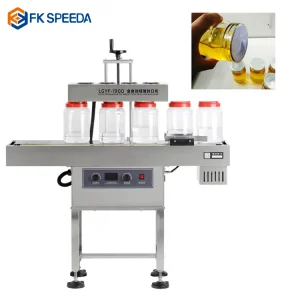
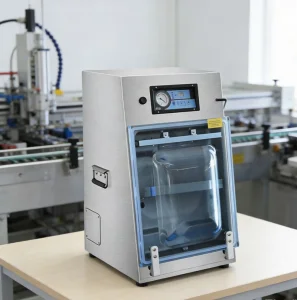
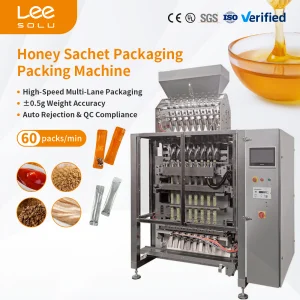
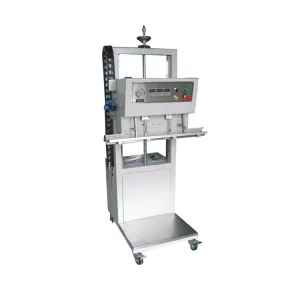
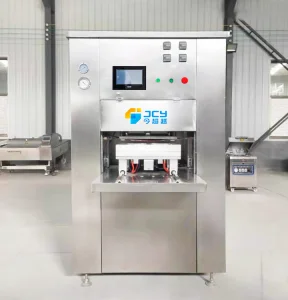
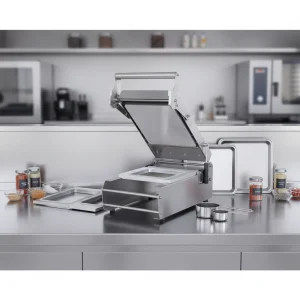
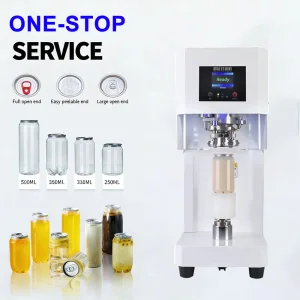
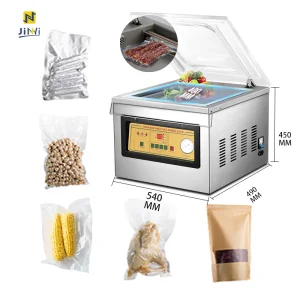
Explore our premium grade manufacturing systems designed to optimize packaging efficiency, sealing accuracy, and product protection across multiple industries.
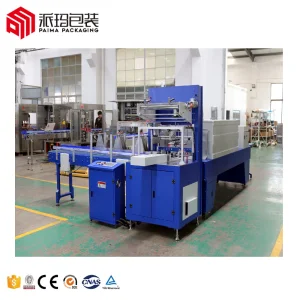
Modern product packaging is undergoing a profound paradigm shift. As consumer behavior transitions toward visually striking, 360-degree high-impact graphics, brand owners are rapidly replacing traditional pressure-sensitive labels (PSL) with Shrink Sleeve Labeling (SSL) technology. This transition is not merely cosmetic; it offers unmatched container geometry flexibility, robust tamper-evident security integration, and superior protection against environmental wear.
Operating at the intersection of mechanical precision and polymer chemistry, a Shrink Sleeve Applicator must seamlessly handle multiple tasks: continuous film unwinding, ultra-precise cutting (often within tolerances of ±0.5mm), flawless sleeve placement onto irregularly shaped containers, and controlled thermal shrinkage within dedicated steam, electric, or radiant tunnels. Selecting the correct manufacturer is critical to ensuring minimal line downtime, high throughput (ranging from 100 to over 800 containers per minute), and lower Total Cost of Ownership (TCO).
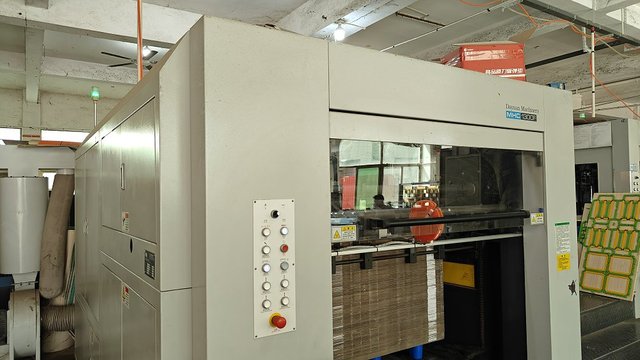
A rigorous industrial analysis evaluating the world's leading suppliers based on engineering innovations, build reliability, and support networks.
Based in the USA, Axon is a global powerhouse specializing in high-speed, heavy-duty shrink sleeve applicators and steam tunnels. Renowned for their EZ-Series, they provide unparalleled integration within North American packaging systems, offering speeds exceeding 600 CPM with Allen-Bradley control systems.
A premier American engineering firm, PDC is highly regarded for its proprietary blade technology. Unlike rotary blades, PDC utilizes robust, heavy-duty mandrel-cutting mechanisms that excel in handling thinner sleeve gauges (down to 30 microns), minimizing blade wear and reducing operational downtime.
A leading Chinese OEM/ODM giant specializing in food and beverage packaging systems. Nexa delivers extremely robust, cost-effective, and highly customizable sleeve applicators. Their advanced engineering platform integrates global componentry (Siemens PLC, Omron sensors) with highly adaptive rotary cutter shafts.
Operating across the US and Europe, Karlville is a major pioneer in converting and application machinery. Partnering closely with material suppliers, Karlville excels in high-speed rotary application systems and eco-friendly steam drying setups optimized for minimal water consumption.
The German heavyweight of complete bottling line engineering. Krones' sleeve labeling systems (Sleevematic) are engineered for ultra-high-speed, multi-format beverage filling lines, integrating rotary carousels that handle complex shapes with extreme structural stability.
Accraply designs heavy-duty labeling machinery integrating Stanford and Graham engineering heritage. Their machines are known for exceptional operator safety features, intuitive HMI control interfaces, and modular upgrades for fast changeovers.
A pioneer originating from Japan, Fuji Seal dominates the global market by offering a fully vertical service: manufacturing the sleeve film, printing, and building the application machinery. Their systems offer unmatched mechanical synchronization.
A French innovator focused heavily on luxury cosmetics and pharmaceutical packaging. Sleever's micro-perforation and high-precision indexing systems are designed for tamper-evident safety seals and premium structural finishes on glass bottles.
An American manufacturer specializing in versatile, medium-speed tamper-evident banders and shrink tunnels. Marburg is highly respected for its simplicity, offering cost-effective mechanical setups that require minimal electronic maintenance.
Analyzing the strategic engineering capabilities and product spectrum of China's premier packaging machinery innovator.
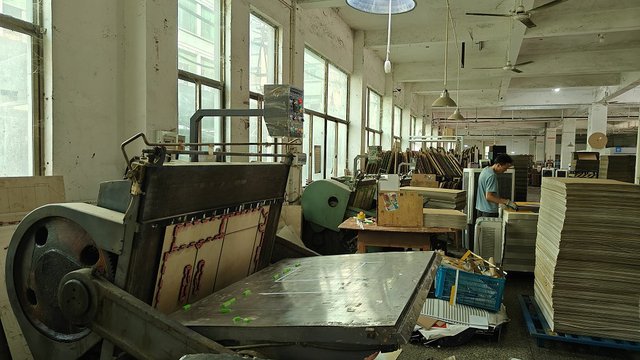
Ningbo Nexa Machine Co., Ltd. is a leading China food packaging machine manufacturer specializing in the design, development, production, and supply of automatic packaging systems and integrated packaging solutions for the global food industry. With years of industry expertise and a commitment to technological innovation, Nexa Machine delivers reliable, efficient, and intelligent packaging equipment to customers worldwide.
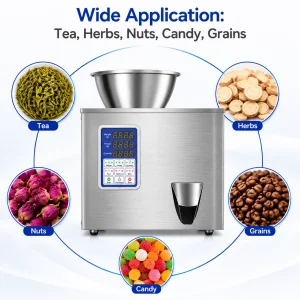
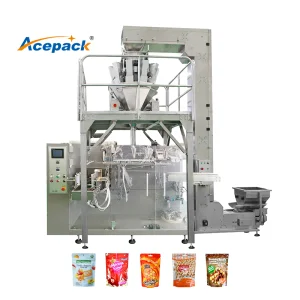
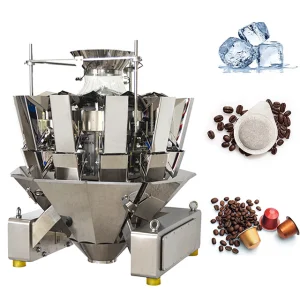
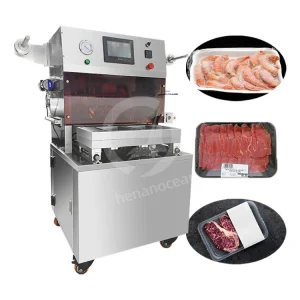
Our extensive product portfolio includes vertical form fill seal machines, vacuum packaging machines, pouch packaging systems, tray sealing machines, thermoforming packaging machines, sachet packaging machines, flow wrapping machines, cartoning machines, weighing and filling systems, and fully automated packaging lines. These solutions are widely used in the packaging of snacks, frozen foods, bakery products, confectionery, dairy products, powders, granules, liquids, pet food, and other food applications.
Driven by innovation, Ningbo Nexa Machine continuously invests in advanced manufacturing technologies and research and development capabilities. Our experienced engineering team develops high-performance packaging equipment featuring intelligent control systems, precise filling accuracy, stable operation, energy efficiency, and user-friendly interfaces to meet diverse production requirements.
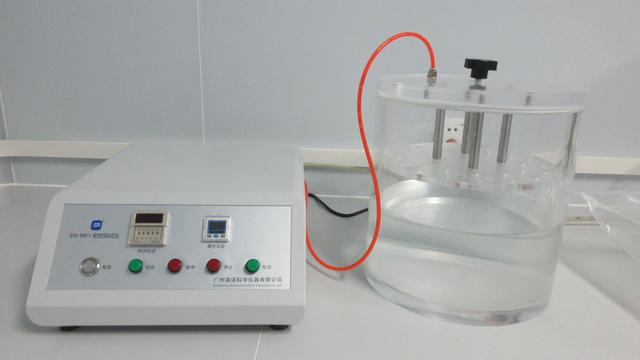
Quality is the foundation of our success. Every machine is manufactured under strict quality control procedures and undergoes comprehensive testing before delivery to ensure outstanding reliability, safety, and long-term performance. In addition, we offer flexible OEM and ODM services, providing customized packaging solutions tailored to customers' specific production needs.
Serving clients across Europe, North America, South America, Southeast Asia, the Middle East, and Africa, Ningbo Nexa Machine Co., Ltd. has established long-term partnerships with food manufacturers, distributors, and industrial integrators worldwide. By combining local supply chain cost advantages with international compliance engineering, Nexa represents the pinnacle of modern Chinese industrial efficiency.
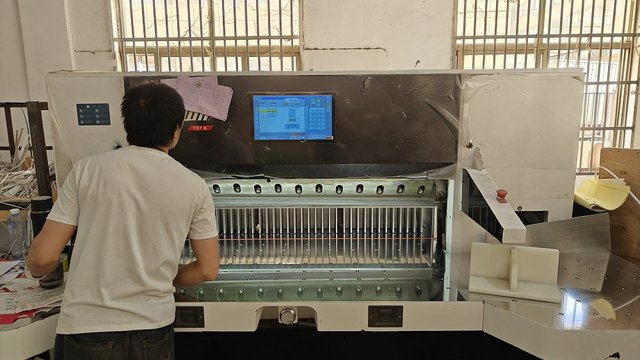
An engineering benchmark comparing the key structural configurations of different shrink sleeve applicators on the market today.
| Manufacturer Class | Typical Speed (CPM) | Applicable Film Materials | Cutting Mechanism | Primary Industrial Focus |
|---|---|---|---|---|
| Western Tier-1 (e.g., Axon, PDC) | 300 - 800+ | PETG, PVC, OPS, PLA, rPET | Guillotine / Rotary Mandrel | High-volume Carbonated Beverages, Pharma |
| Ningbo Nexa Machine | 100 - 450+ | PETG, PVC, OPS, PE Film | High-Speed Single Rotary Cutter | Food, Craft Beer, Dairy, Chemical Jars |
| European Premium (e.g., Krones) | 400 - 1000+ | Ultra-thin PETG, Custom OPS | Rotary Multi-Blade Carousel | Mega-scale Brewery & Beverage Plants |
| Entry-Level Systems | 50 - 120 | Standard PVC, PETG | Manual / Pneumatic Blade | Small Boutique Cosmetics, Local Food Labs |
The manufacturing capabilities of Chinese packaging hubs like Ningbo offer distinct strategic advantages for global buyers. Ningbo Nexa Machine leverages an integrated ecosystem of localized steel fabrication, high-precision CNC tool shops, and nearby specialized electronics components suppliers. This high concentration of packaging expertise reduces the lead times for custom mold development and mandrel tooling changes from the industry-average 12 weeks to under 5 weeks.
Additionally, vertical integration allows manufacturers to perform in-house fabrication of complex mechanical components, ensuring strict quality control while offering competitive pricing. The cost advantages do not stem from lower-grade materials but from process efficiency, lower overhead costs, and optimized logistics near the Port of Ningbo, one of the world's busiest deep-water shipping terminals.
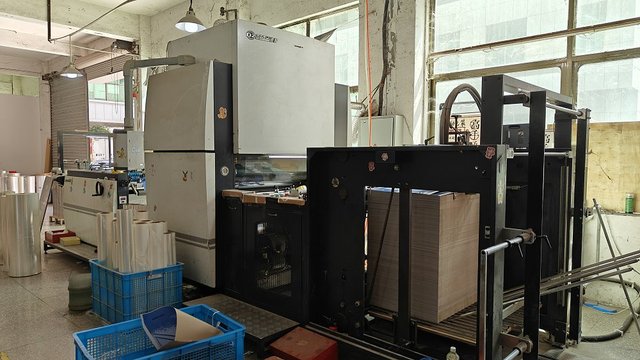
How shrink sleeve applicators adapt to specific regional demands and strict international regulatory frameworks.
Regional micro-breweries require extremely flexible equipment. Standard aluminum cans need quick-turnaround sleeve application to run short seasonal batches. Heavy moisture resistance, stainless steel SUS304 construction, and compact footprint configurations are mandatory to survive damp brewery cellar floors.
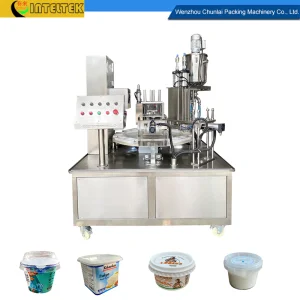
In dairy processing, hygiene is paramount. Sleeve applicators must comply with 3-A Sanitary Standards and handle complex cup formats. Washdown-compatible sensors, IP69K electrical enclosures, and non-corrosive pneumatic cylinders prevent bacterial buildup during high-pressure thermal cleaning cycles.
Pharmaceutical bottling lines require integrated security features. Applicators must feed perforated shrink bands at high speeds onto plastic bottle caps. Optical recognition cameras inspect the sleeve placement to instantly reject any bottle with misaligned or missing safety seals.
Sourcing machinery internationally requires rigorous attention to compliance. Leading manufacturers ensure their electrical cabinets are designed to meet CE directives (for European markets) and UL 508A certifications (for North American installations). All materials in direct contact with food containers, including guide rails, conveyor belts, and mandrels, utilize food-safe polymers or passivated 316-grade stainless steel to comply fully with FDA guidelines. This prevents costly customs delays and workplace safety audits.
Exploring the next generation of automation, sustainable materials, and AI-driven predictive maintenance in the packaging sector.
Traditional PETG and PVC films face increasing regulatory pressure. The industry is moving rapidly toward biodegradable PLA (Polylactic Acid) and PCR (Post-Consumer Recycled) PETG. Next-generation applicators must handle extremely thin materials (down to 25 microns) without wrinkling, requiring tension-control servo motors.
Modern production facilities require minimal physical intervention. Integrated Ethernet/IP and EtherCAT networks connect the sleeve applicator directly to the cloud. This enables engineers to perform remote troubleshooting, program PLC updates, and analyze component wear before an unexpected breakdown occurs.
High-resolution industrial cameras linked with AI machine-vision algorithms can inspect labels in real-time. The system detects label skewing, wrinkles, incorrect height, and heat deformation. Defective containers are automatically flagged and pushed to a reject lane without halting production.
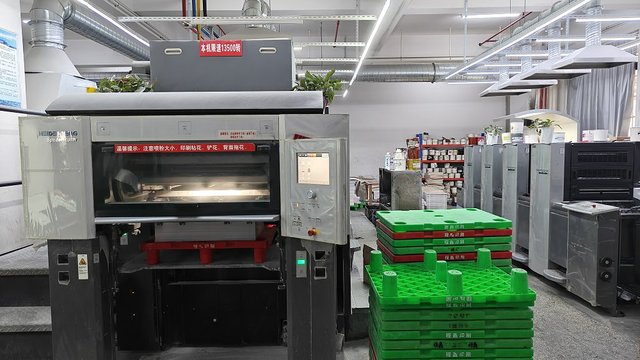
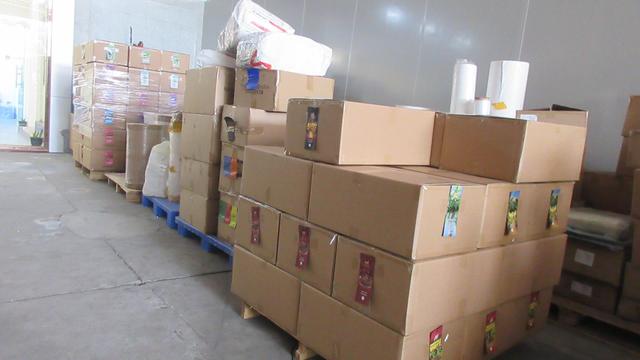
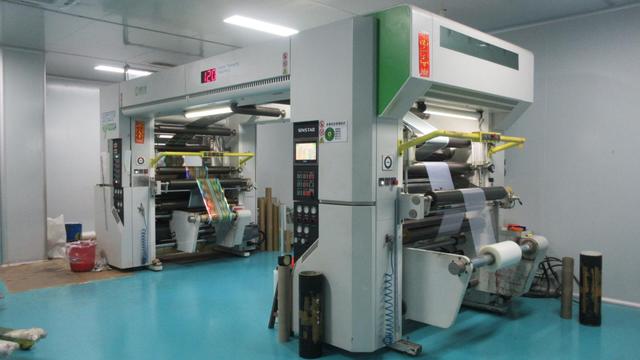
A visual insight into our advanced engineering workshops, component assembly lines, and rigorous pre-shipment validation test setups.
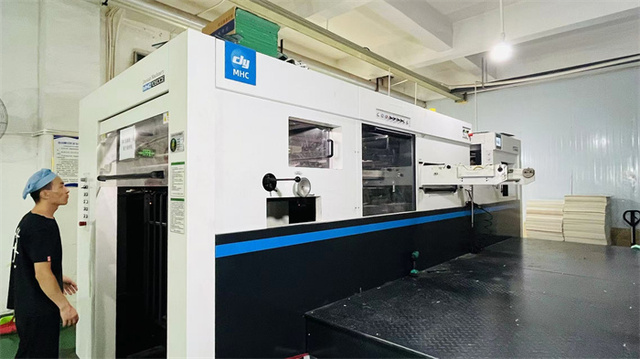
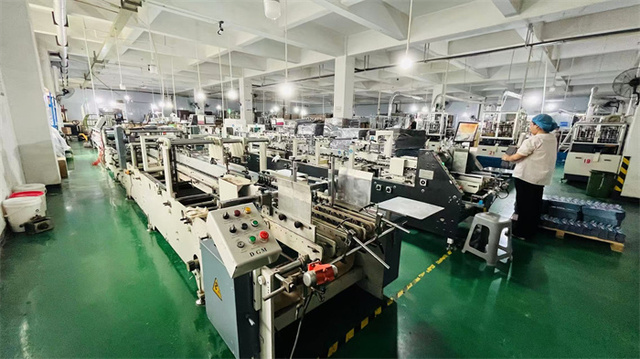
Get professional technical insights on equipment configuration, troubleshooting, optimization, and sourcing guidelines.
Browse our complete range of nitrogen-injection vacuum packaging systems, horizontal wrappers, and high-precision cup sealers.
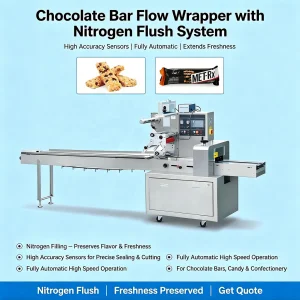
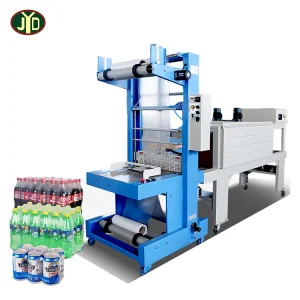
 Nexa Machine