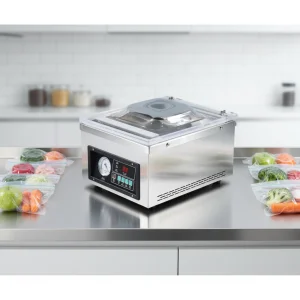
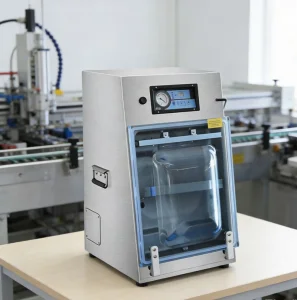
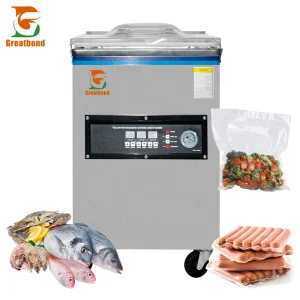
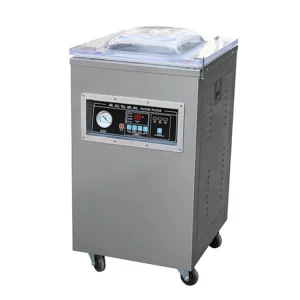
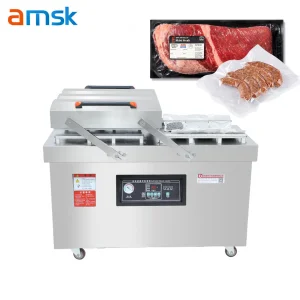
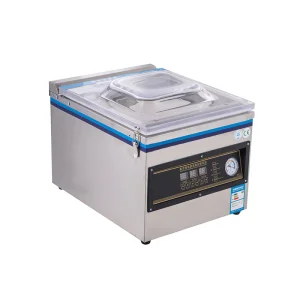
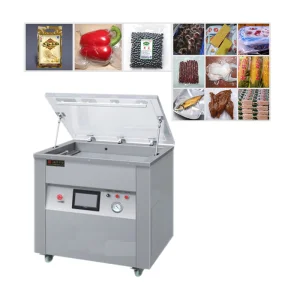
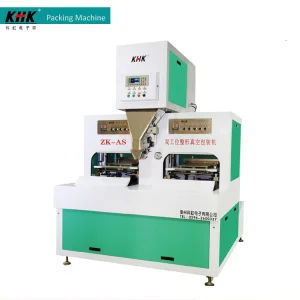
Engineered for absolute sealing integrity, high throughput, and strict sanitary standards.
Osaka, traditionally dubbed the "Nation’s Kitchen" (天下の台所 - Tenka no Daidokoro), sits at the heart of the Kansai region's massive food processing, retail, and manufacturing ecosystem. From the historical food processing hubs in Sakai and Higashiosaka to the bustling culinary markets of Kuromon Ichiba, the demand for high-tier preservation technology has never been more urgent.
However, the modern Japanese market faces unprecedented macro challenges: chronic labor shortages and rising energy costs. Food processors and industrial manufacturers in Osaka are transitioning rapidly from manual packaging to automated, sensor-guided machinery to secure operational continuity and food safety compliance.
Whether preserving the delicate marbling of Kobe Beef, packaging local Kansai confectionery, or sealing precision micro-electronic components in Osaka's tech corridors, vacuum sealing is the core safeguard against oxidation, moisture ingress, and biological degradation.
Meeting METI, PSE, and Food Sanitation Act Regulations for Seamless Operation
Exporting to Japan requires absolute compliance with the Electrical Appliance and Material Safety Act (PSE Mark). Our machinery uses certified components, including Mitsubishi electric PLCs and Omron sensors, ensuring electrical safety and seamless passing of import inspections.
All contact surfaces on our packaging machines are manufactured using SUS304 and SUS316 stainless steel, conforming strictly to Article 18 of the Japanese Food Sanitation Act (食品衛生法), preventing contamination in ready-to-eat meals.
In partnership with localized maintenance firms across Osaka, Kobe, and Kyoto, we guarantee continuous support, troubleshooting, and rapid parts delivery to minimize industrial down-time.
Operating from Ningbo, one of the world's most advanced deepwater port cities and machinery manufacturing hubs, Ningbo Nexa Machine Co., Ltd. synthesizes cost-competitive manufacturing with high-precision engineering standards.
By leveraging localized component sourcing (including high-grade raw alloys, custom CNC machining, and specialized electronics), we pass substantial cost savings to our Osaka buyers while matching the performance of high-end domestic brands.
Ningbo Nexa Machine Co., Ltd. is a leading China food packaging machine manufacturer specializing in the design, development, production, and supply of automatic packaging systems and integrated packaging solutions for the global food industry. With years of industry expertise and a commitment to technological innovation, Nexa Machine delivers reliable, efficient, and intelligent packaging equipment to customers worldwide.
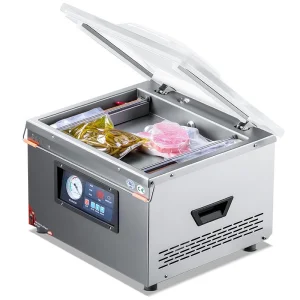
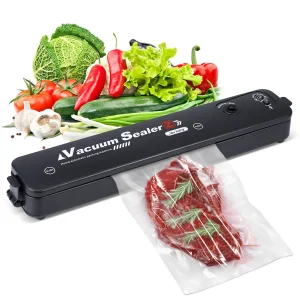
Our extensive product portfolio includes vertical form fill seal machines, vacuum packaging machines, pouch packaging systems, tray sealing machines, thermoforming packaging machines, sachet packaging machines, flow wrapping machines, cartoning machines, weighing and filling systems, and fully automated packaging lines.
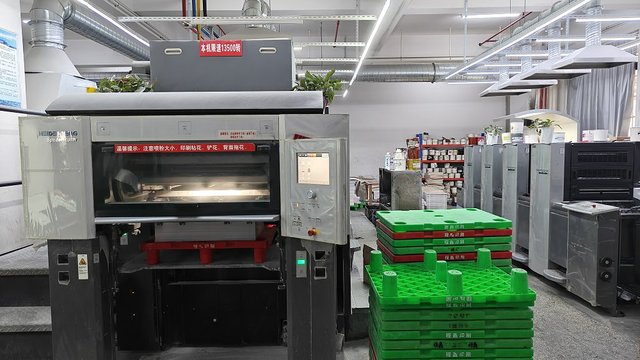
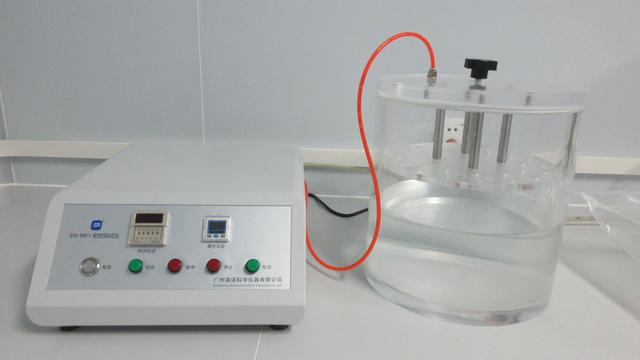
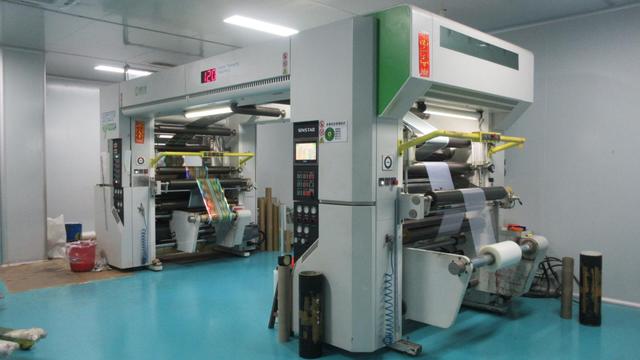
Quality is the foundation of our success. Every machine is manufactured under strict quality control procedures and undergoes comprehensive testing before delivery to ensure outstanding reliability, safety, and long-term performance.
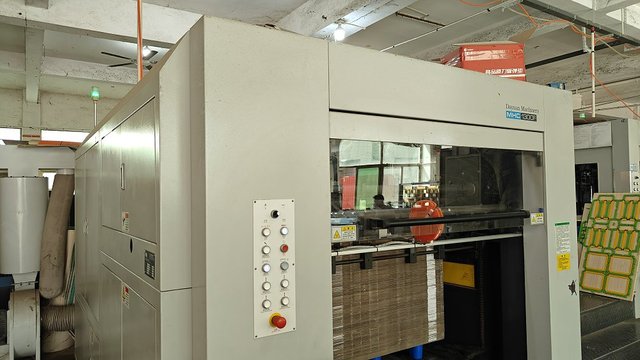
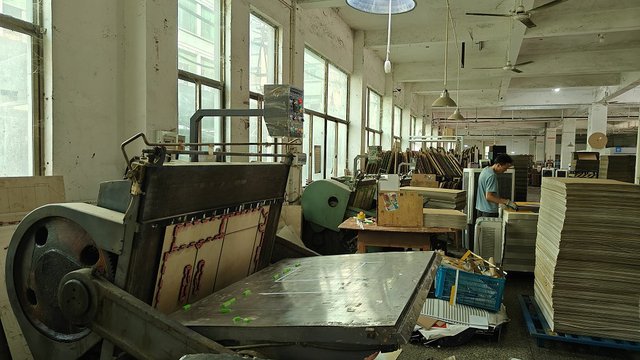
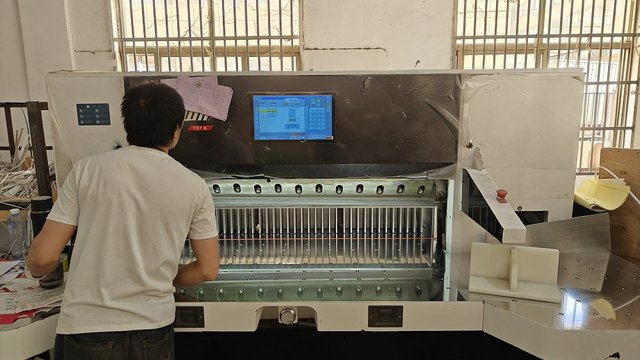
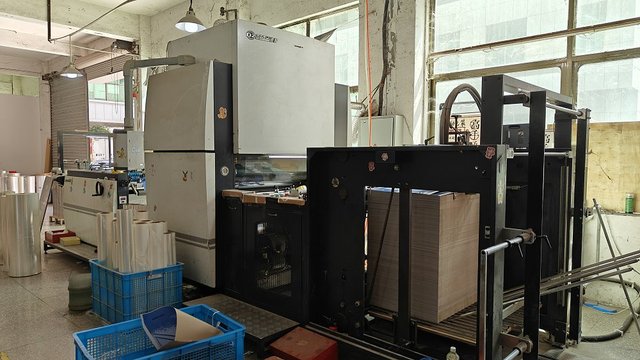
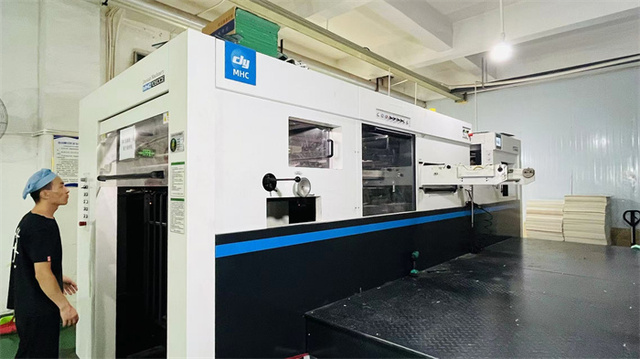
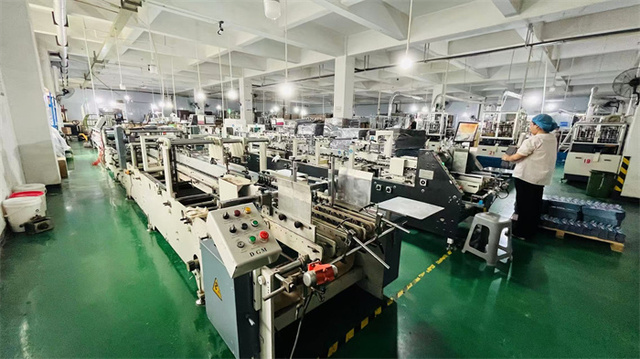
How our engineering design answers the high-uptime requirements of global enterprises.
Our sanitary engineering focuses on eliminating bacteria-harboring gaps. Fully-welded chambers, smooth polished curves, and IP65 washdown capabilities allow for thorough chemical cleaning protocols required in global food export processing.
Designed for continuous 24/7 industrial shift work. Equipped with high-displacement vacuum pumps, heavy-duty heating elements, and robust water cooling systems to guarantee consistent sealing pressure and temperature over long run times.
Standardized digital HMI panel integrations supporting Modbus, Ethernet/IP, and Profinet. Real-time logging of cycle times, vacuum depth (mbar), and sealing temp supports quality control tracking processes.
The convergence of IoT, Sustainability, and Precision Engineering
The vacuum packaging landscape is evolving beyond simple air evacuation. To adapt to green manufacturing targets globally and in Japan (specifically Net-Zero commitments by 2050), key technology transitions are occurring:
Our latest models are equipped to transmit operational health analytics directly to plant management dashboards. Predictive alerts for vacuum oil replacement, heater element wear, and pneumatic leaks dramatically lower overall Cost of Ownership (TCO).
Adaptability across diversely structured manufacturing facilities.
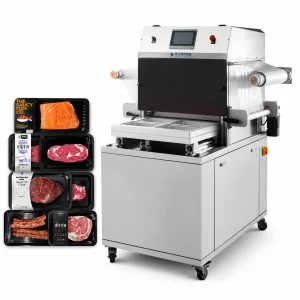
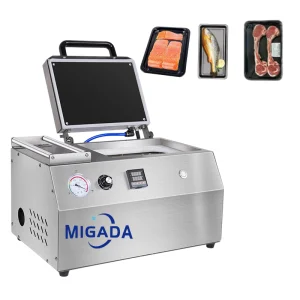
Ensuring fresh meat retains high color saturation and texture profile through precision vacuum-skin technology, minimizing drip loss during long-haul transport across Japan and overseas.
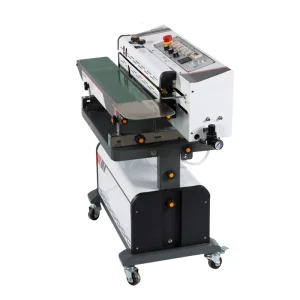
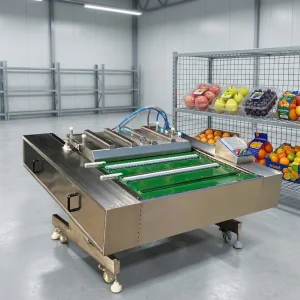
Large continuous sealers that process delicate, high-moisture foods like traditional Japanese sweets (wagashi) or bento items without crushing or deforming the product geometry.
High-reliability silicon wafer and precision electronics sealing. Our specialized ESD (Electro-Static Discharge) packaging options prevent charge buildup and dust accumulation.
Select the ideal machinery layout for your Osaka production facility.
Get technical answers about compliance, engineering, and logistics.
Ready to optimize your packaging line efficiency?
Send Inquiry Now Nexa Machine