Nexa Machine
Integrating Metrology and Machine Vision into Packaging Production Lines
In the modern smart manufacturing landscape, quality control (QC) is no longer a separate, post-production sampling phase. Instead, it is dynamically embedded directly into automated packaging lines. As global supply chains face increasing regulatory oversight and demands for structural yield optimization, the role of Quality Control Equipment Manufacturers & Suppliers has expanded to provide system-integrated, real-time verification modules. Manufacturers now rely on advanced sensors, dynamic weighing units, and optical detection to confirm seal integrity, pouch alignment, mass accuracy, and environmental stability at every step.
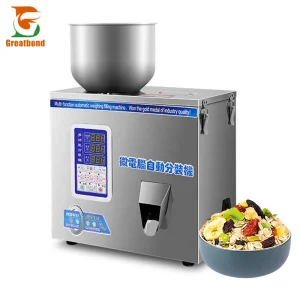
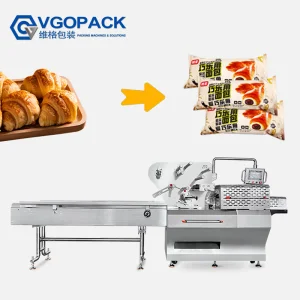
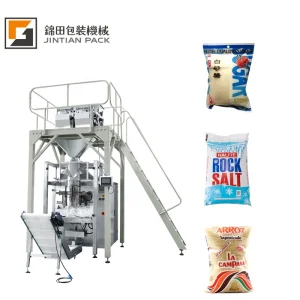
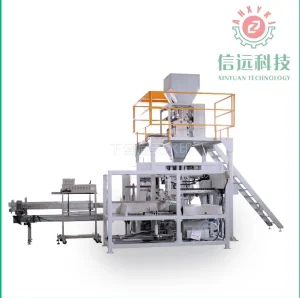
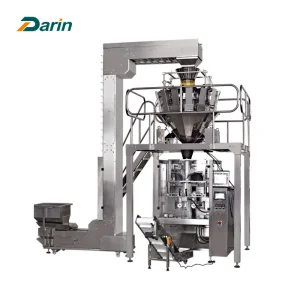
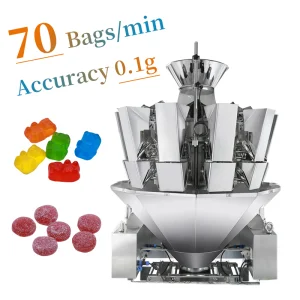
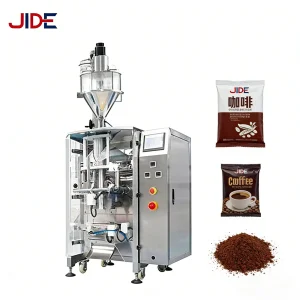
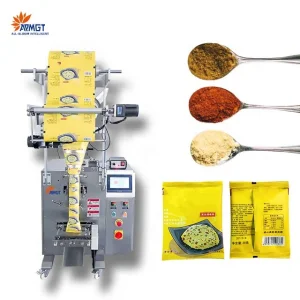
Ningbo Nexa Machine Co., Ltd. serves as an industry leader in engineering high-performance automated food packaging systems that feature built-in, micro-processor-controlled verification setups. By integrating components like multi-head combination weighers, high-speed vision rejecters, and Modified Atmosphere Packaging (MAP) testing matrices, Nexa ensures that high throughput does not compromise product safety or packaging consistency. This holistic approach directly addresses the stringent standards outlined in global quality frameworks (such as ISO 9001 and HACCP) by preventing out-of-tolerance units from proceeding downstream.
Global Industrial Status of Packaging Quality Control
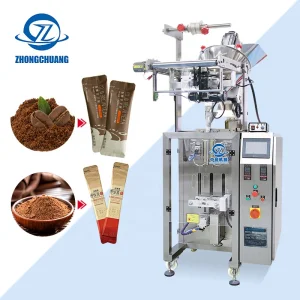
The transition toward Industry 4.0 has transformed the global packaging and processing landscape. Across the Americas, Europe, and Asia-Pacific, companies face escalating labor costs and tighter requirements regarding product traceability. From pharmaceutical-grade stick packs to bulk agricultural bagging, every packaged item requires verification against under-fill limits and structural contamination. The global market now demands dynamic QC hardware—such as checkweighers, metal detectors, and visual inspection sensors—that communicate seamlessly with central ERP systems via advanced protocols (such as OPC UA or Profinet).
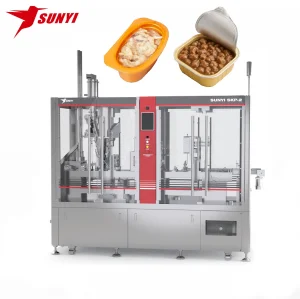
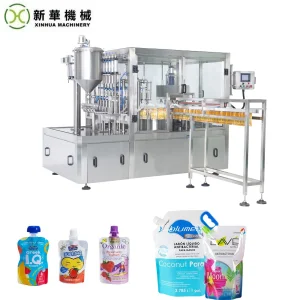
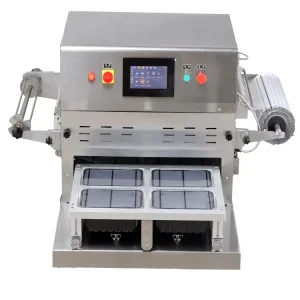
This integration is highly evident in the dairy, ready-to-eat food, and bakery sectors. For instance, high-speed Doy Pack liquid filling and thermoforming lines depend on millisecond-level sensor feedback to confirm that sealing jaws reach the required temperature and pressure thresholds. A failure in seal integrity leads directly to food spoilage, expensive product recalls, and brand damage. The industry's focus has shifted from simple detection to predictive control, where packaging machines automatically adjust their parameters based on inline QC data trends.
Supply Chain Resilience & China Manufacturing Efficiency
Ningbo Nexa Machine Co., Ltd., located within the industrial hub of Ningbo, China, utilizes a highly integrated manufacturing cluster to offer significant competitive advantages in lead times, customization, and cost-efficiency. The concentration of specialized steel mills, CNC machining facilities, and electronics providers in the region allows Nexa to design and deploy complex packaging lines much faster than Western competitors. This rapid-prototype and deployment capability is supported by strict quality assurance programs that govern every phase of engineering.
Additionally, Nexa's design philosophy utilizes premium international components (including Festo pneumatics, Omron control systems, and Siemens PLCs) combined with precision Chinese mechanical structures. This hybrid approach ensures that customers receive highly reliable systems that are easy to maintain and configure locally, backed by cost-efficient manufacturing and extensive R&D resources. In an era of global shipping fluctuations and supply chain challenges, Nexa's robust logistical position near the Port of Ningbo guarantees reliable equipment delivery and rapid parts replacement.