Nexa Machine
1 / 5
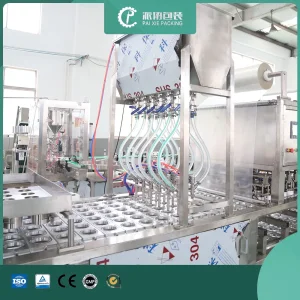
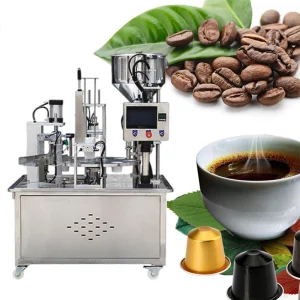
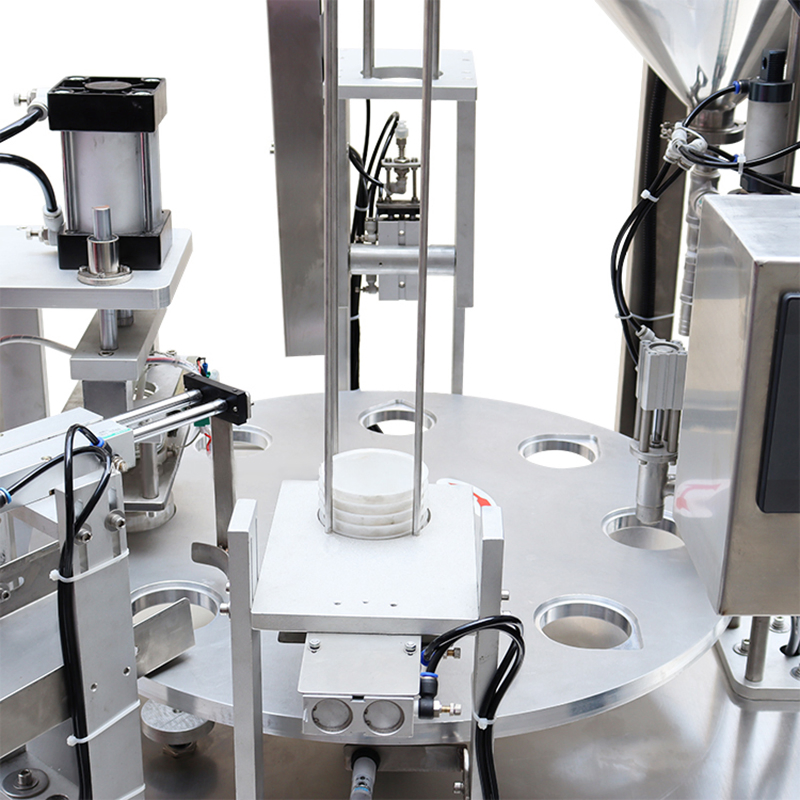
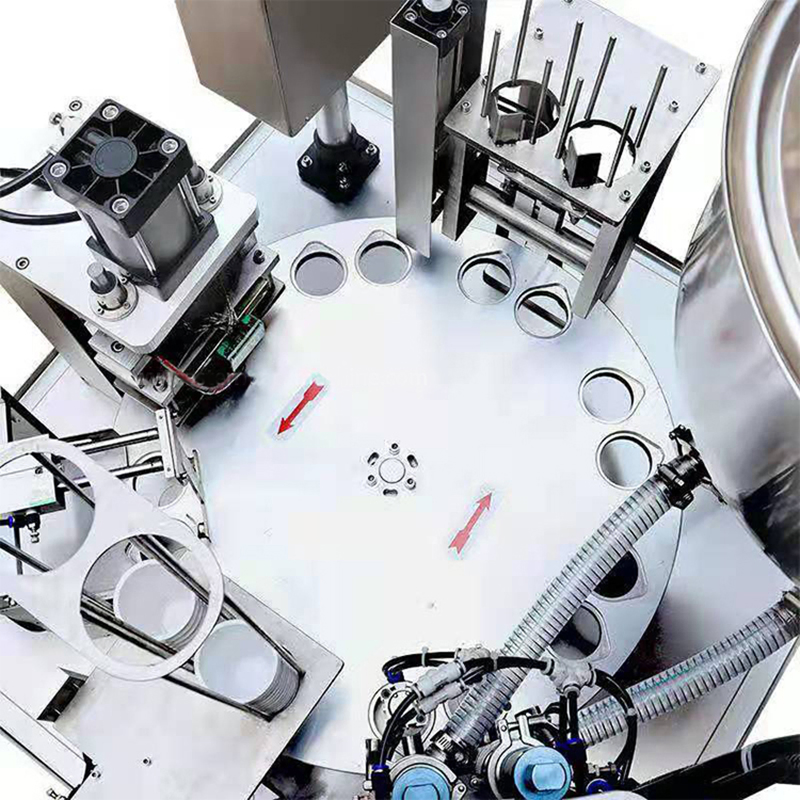
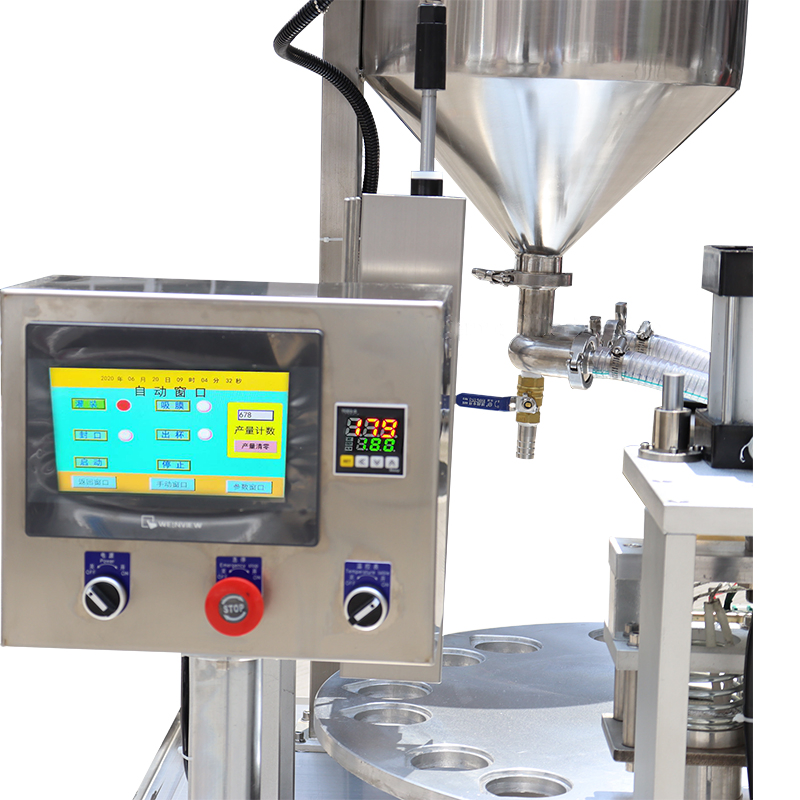
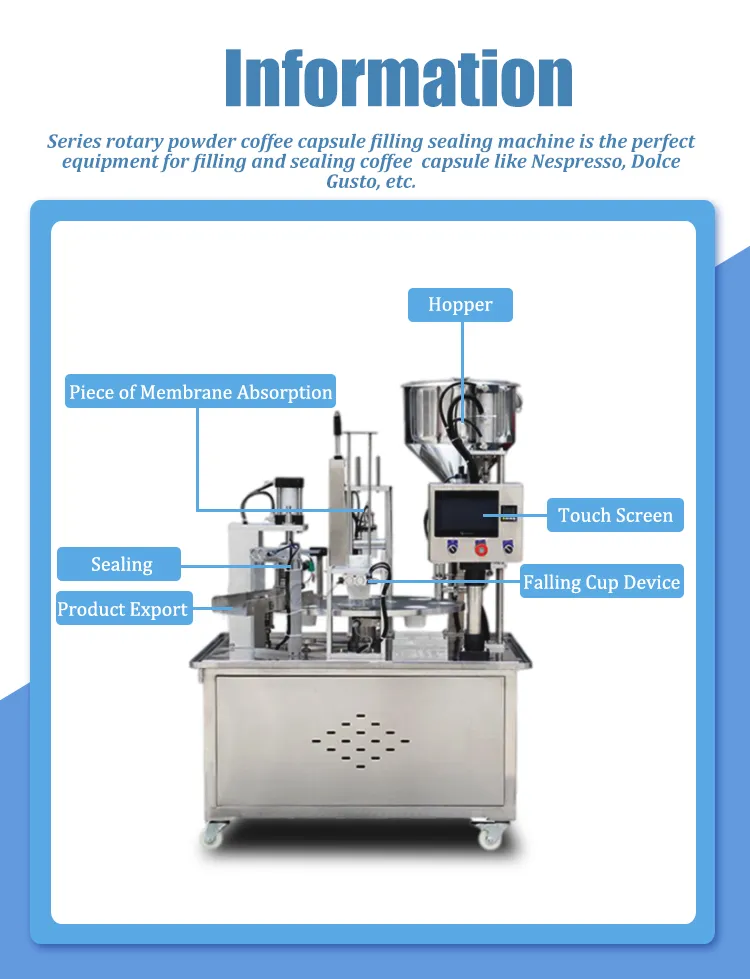
Efficient Automated Production Equipment with Precision Metering and Sealing Technology
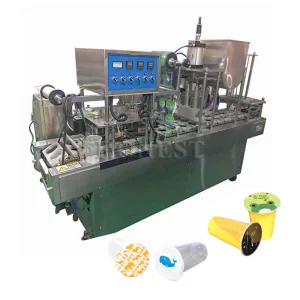
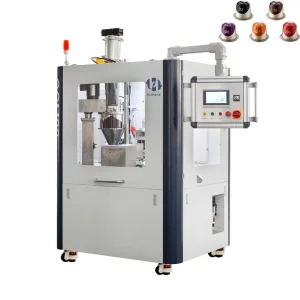
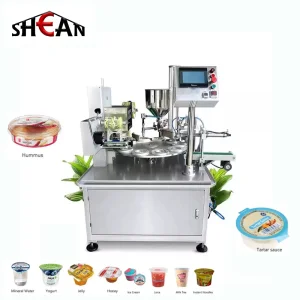
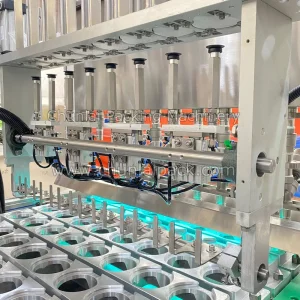
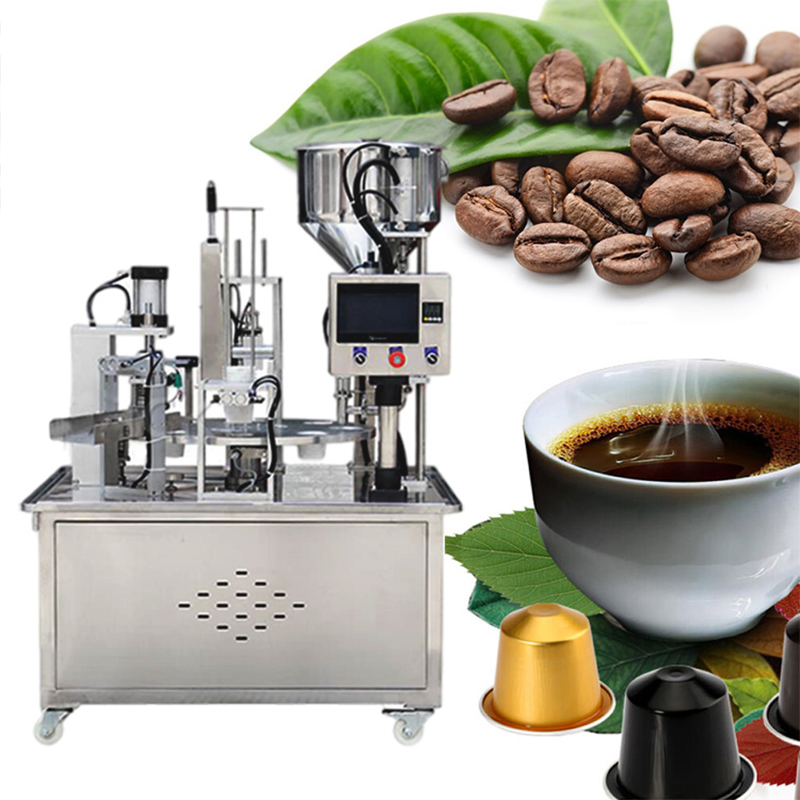
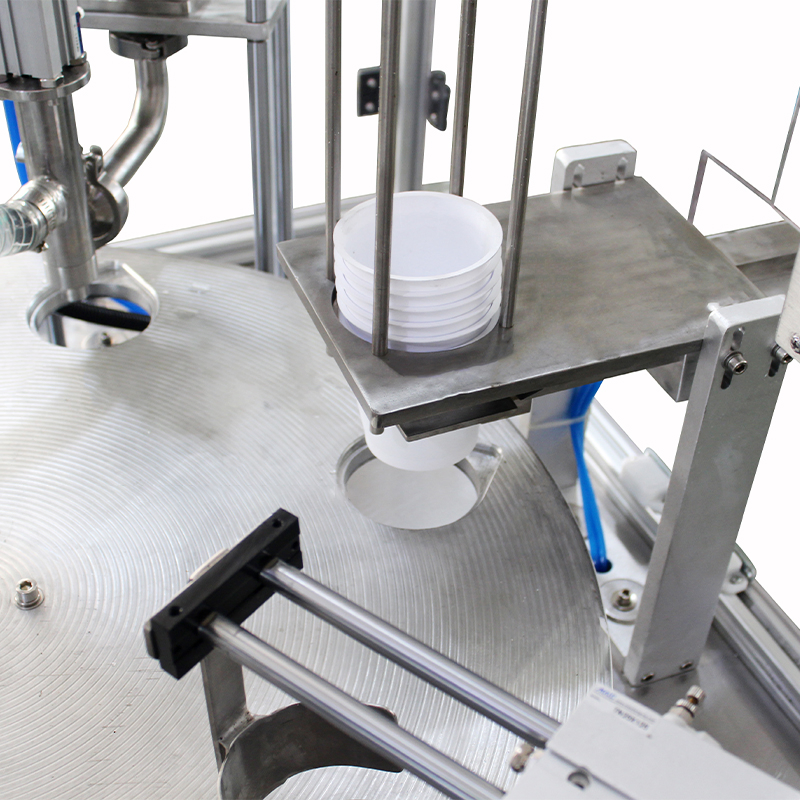
| Type | Automatic Coffee Capsule Filling And Sealing Machine |
| Material Type | Powder |
| Packaging Material | Plastic cup |
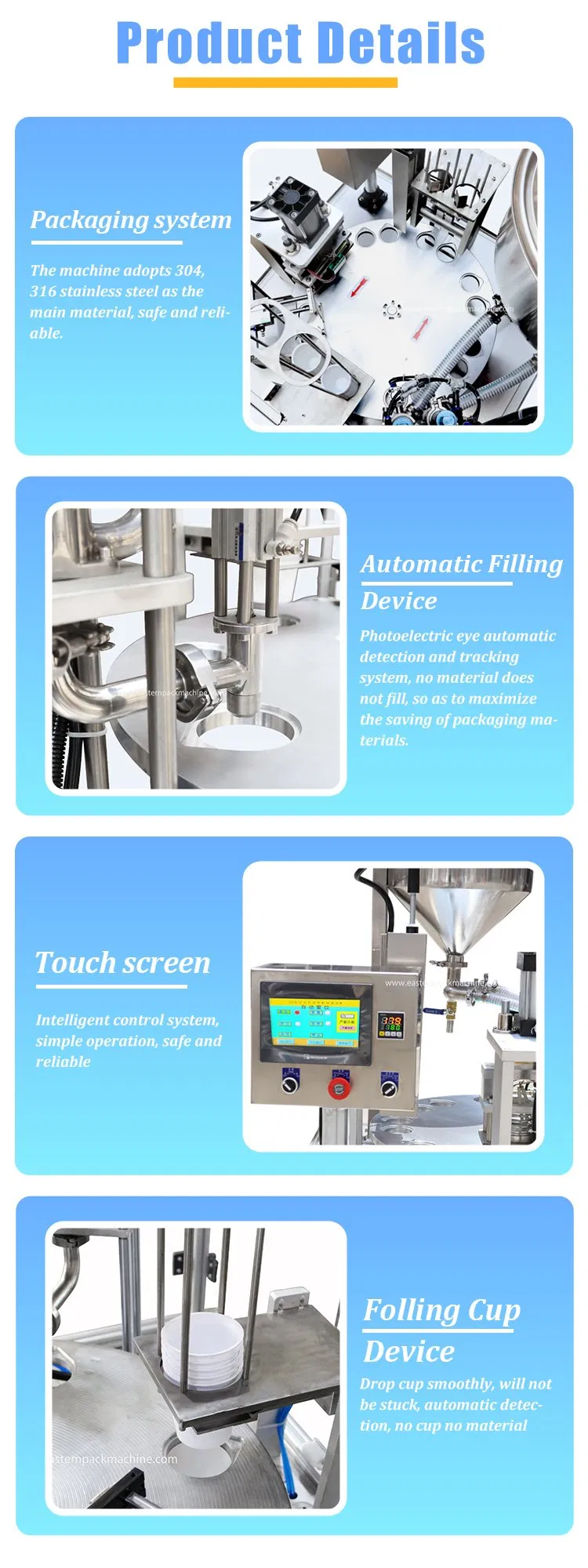
| Machine Materials | 304 Stainless Steel |
| Film Materials | OPP/CPP/PE/Pet/Po/PA/Al/VMCPP etc. |
| Origin | Foshan, China |
| Application | Granules, Powder, Liquid |
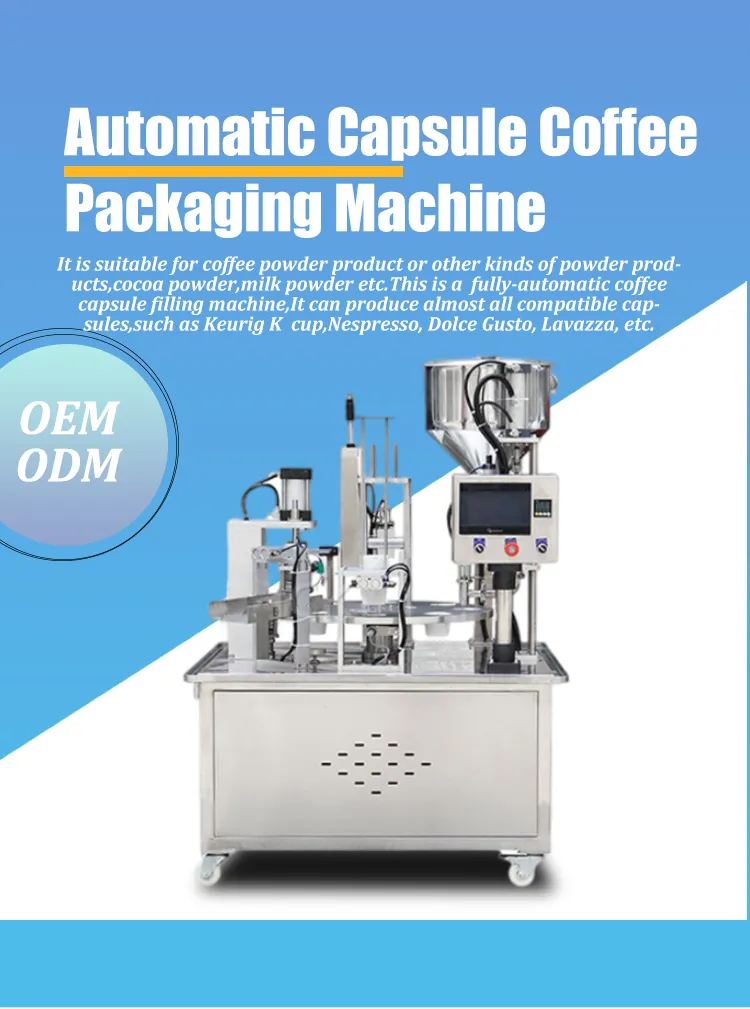
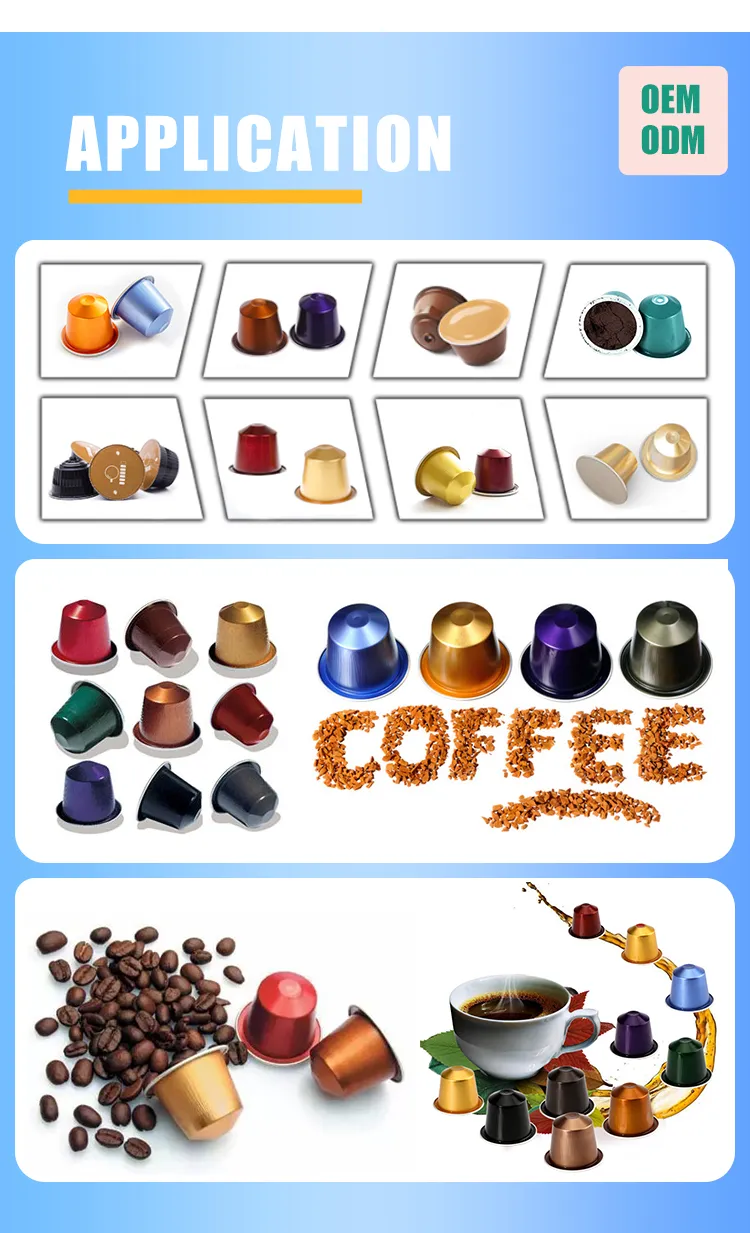
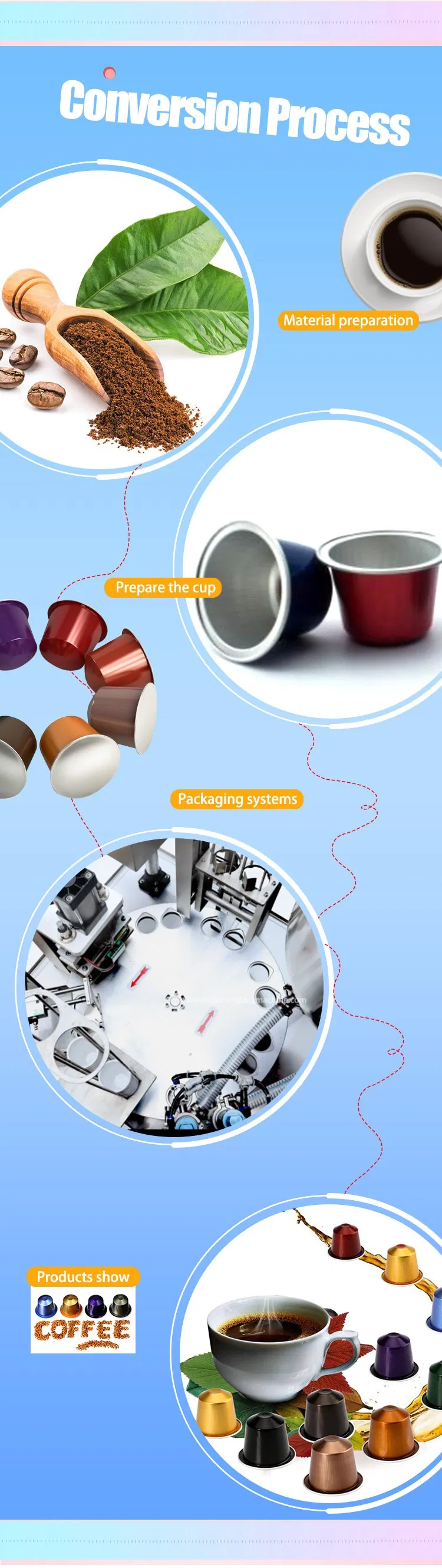
Bag type: Aluminum Capsules, Plastic Capsules, Biodegradable materials.
Suitable for blanking and packaging of liquid, powder, medium and small particle materials.
Liquid packing machines differ from manual filling methods in their precision and speed. Where manual filling is labor-intensive and prone to inaccuracies, liquid packing machines automate the process, ensuring consistent fill levels and significantly reducing spillage and waste. This automation leads to higher efficiency and lower costs, making them a vital asset for businesses seeking to improve their filling operations.
The selection of raw materials for food packaging machines contrasts significantly with non-food packaging. Food packaging machines require materials that are safe, non-toxic, and compatible with food products, ensuring the integrity and quality of food items. This necessity influences the selection process, where materials must meet stringent food safety standards. Unlike non-food packaging, where material durability and cost might be the primary concerns, food packaging prioritizes safety and compatibility.
In the context of form fill and seal machines, the quality control of raw materials is paramount, contrasting with less sophisticated machinery where material quality might be less critical. Quality control in sourcing ensures the efficiency, longevity, and consistent performance of these machines. Poor-quality materials can lead to frequent breakdowns and subpar packaging quality, which is not the case with higher-quality materials. This emphasis on quality control is vital to maintaining product safety and customer satisfaction.
Tea packaging machines bring distinct advantages over manual packaging methods. They provide precision in weight control and maintain the tea's quality by gentle handling, which manual methods cannot consistently achieve. These machines enhance packaging speed and reduce material wastage, ensuring each tea packet is uniformly filled. This precision and efficiency are particularly crucial for maintaining the delicate balance of flavor and aroma in tea products.
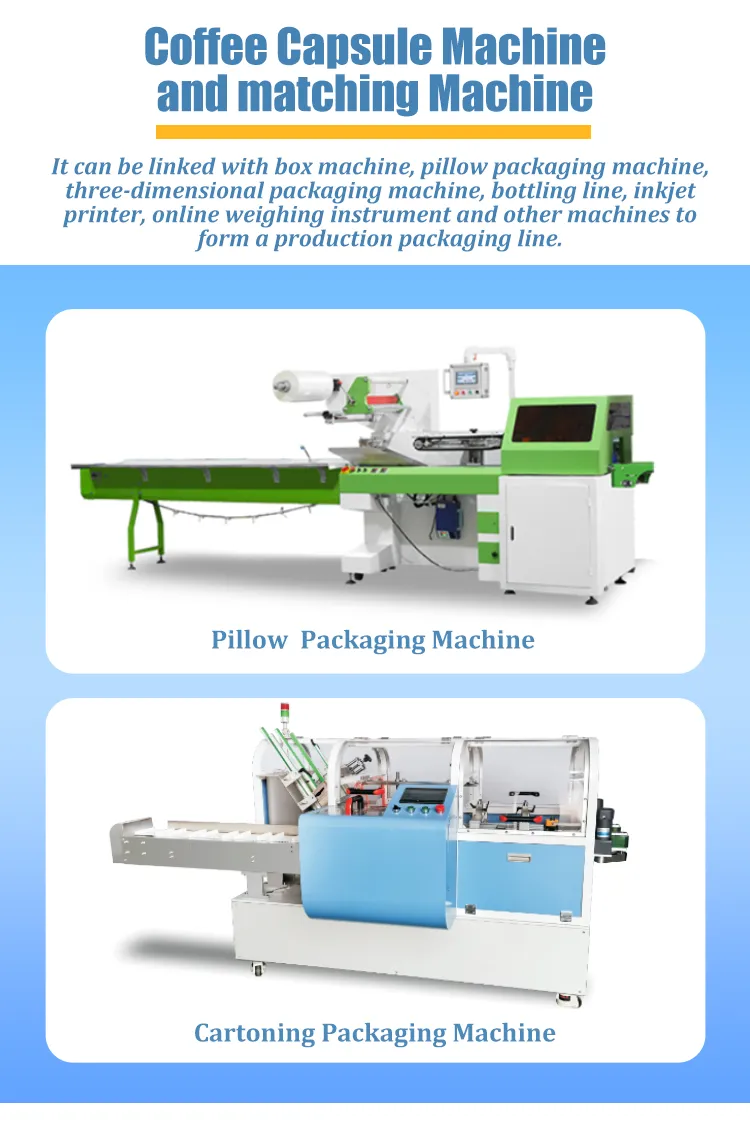
Vertical packaging machines stand apart from single-function machines in their versatility. They are capable of handling different types of filling - from powders and granules to liquids - making them a flexible solution for various packaging needs. This contrasts with specialized machines that are limited to one type of filling, offering businesses a more adaptable and cost-effective packaging solution.
An automatic packaging machine ensures quality control through its advanced sensors and precision technology, a contrast to manual packaging processes where quality control is more reliant on human inspection. These machines consistently monitor and control the packaging process, ensuring uniform quality and adherence to industry standards, a level of consistency and reliability not achievable with manual methods.