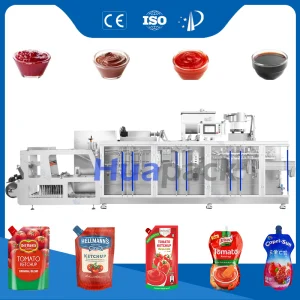
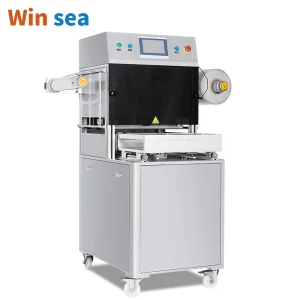
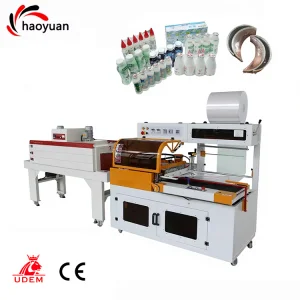
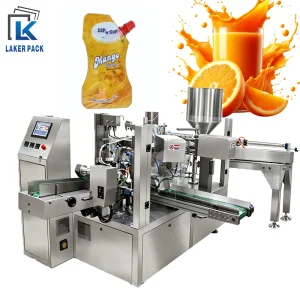
Explore our elite portfolio of automatic filling, modified atmosphere packing, shrink wrap, and precision sealing systems engineered for industrial performance.
An authoritative deep dive into high-speed thermoplastic bag closure technologies, operational parameters, and optimization metrics for high-throughput production lines.
In modern industrial packaging, the efficiency of the final sealing process directly determines product shelf life, barrier preservation, and brand trust. Continuous band sealers represent the pinnacle of high-volume pouch closing technology. Unlike impulse sealers that process bags cycle-by-cycle, continuous band sealers operate dynamically, using a synchronized system of heating blocks, cooling blocks, and drive belts to deliver hermetic closures at high speeds. This guide provides an analytical look at the architectural elements, material interactions, and processing dynamics that define world-class band sealing systems.
A continuous band sealer consists of a driven conveyor belt synchronized with two continuous Teflon (PTFE) sealing bands. The pouch is guided into the inlet, where the sealing bands grip the top edge of the packaging material. As the pouch moves through the machine, it undergoes three distinct phases: heating, cooling, and knurling/coding.
Constructed from high-conductivity brass or copper, these blocks transfer heat directly through the PTFE bands to the pouch film. Precise PID control regulates temperatures to ensure the polymer reaches its exact melting point without degradation.
Directly following the heating zone, cooling blocks (typically liquid or air-cooled aluminum) quickly solidify the molten polymer under pressure. This locks in molecular cross-linking to prevent seal deformation or leakage under stress.
Proper PTFE band tension is critical. Self-aligning tensioning pulleys prevent band slippage and wear, maintaining consistent pressure on the pouch material as it is drawn through the machinery.
Different markets have unique packaging materials, environmental factors, and product specifications. Continuous band sealers must adapt to these localized variables to ensure optimal throughput and hermetic seal quality.
Ningbo Nexa Machine Co., Ltd. is continually advancing the capabilities of continuous sealing technology. Our engineering roadmap addresses emerging factory requirements for automation, data transparency, and energy efficiency:
Adding smart ethernet gateways allows real-time monitoring of sealing temperature, line speed, and heating cartridge health. This enables predictive maintenance scheduling, reducing unplanned downtime.
Our upcoming continuous band sealer designs feature integrated gas injection modules. These systems displace ambient oxygen with nitrogen gas right before sealing, extending the shelf life of snacks and nuts.
Transitioning to brushless DC (BLDC) motors reduces the overall footprint, eliminates brush wear, decreases power draw, and offers precise speed control down to 0.1 m/min increments.
Ningbo Nexa Machine Co., Ltd. leverages the strength of China's advanced manufacturing infrastructure to offer cost-efficient, high-performance machinery. Our location in Ningbo, a major industrial and maritime hub, provides strategic access to components, engineering talent, and shipping routes.
By sourcing raw materials directly, processing critical structural elements in-house with CNC machining centers, and maintaining strong relationships with local component manufacturers (such as PLC units, motors, and electrical contactors), we ensure steady production cycles. This vertical integration allows us to deliver customized continuous band sealers within shorter lead times than Western competitors, without compromising on materials or build quality.
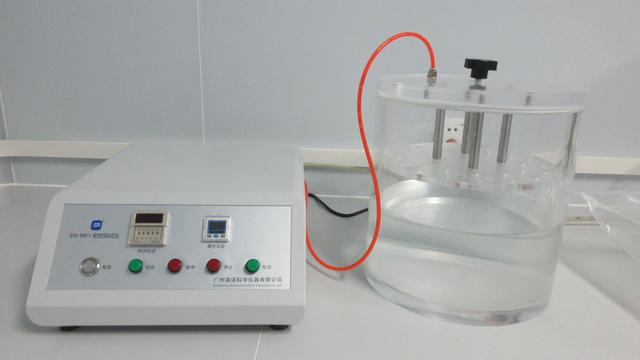
Furthermore, our rigorous testing protocol ensures that every machine undergoes a continuous 48-hour burn-in run before packaging and shipment, guaranteeing operational reliability from day one.
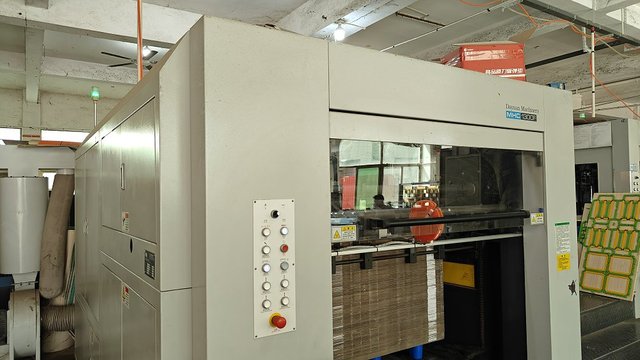
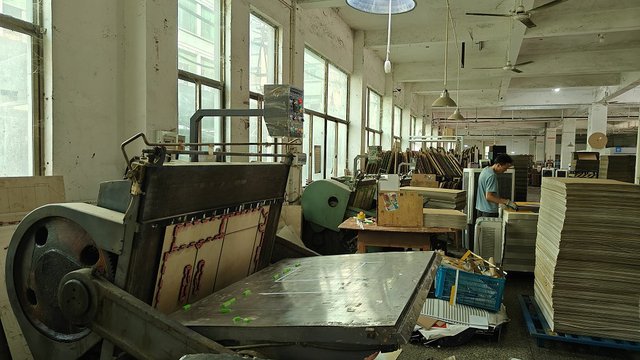
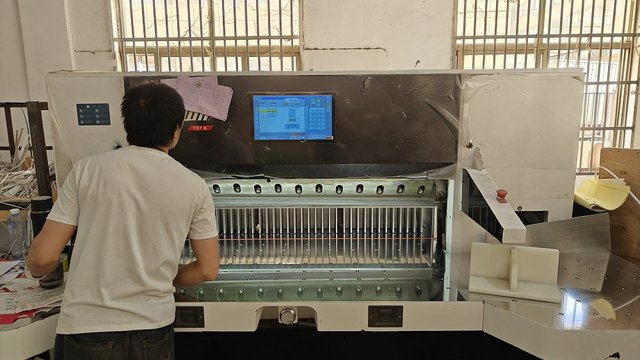
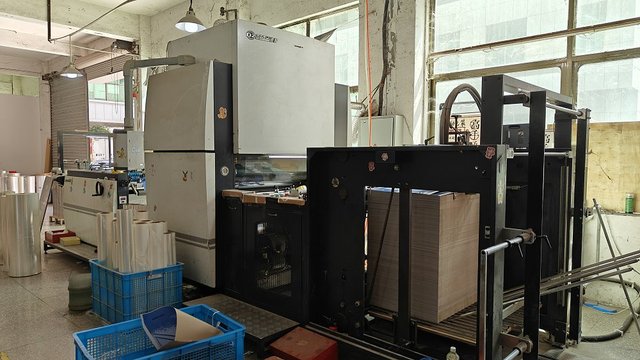
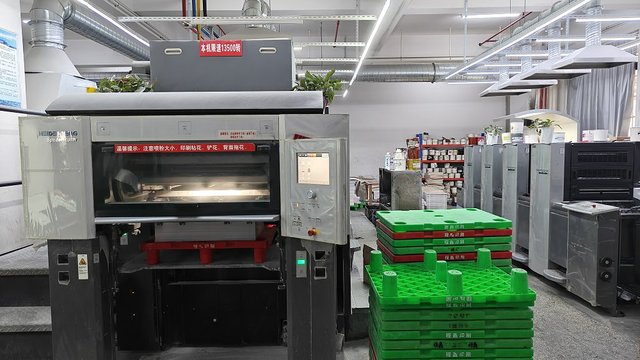
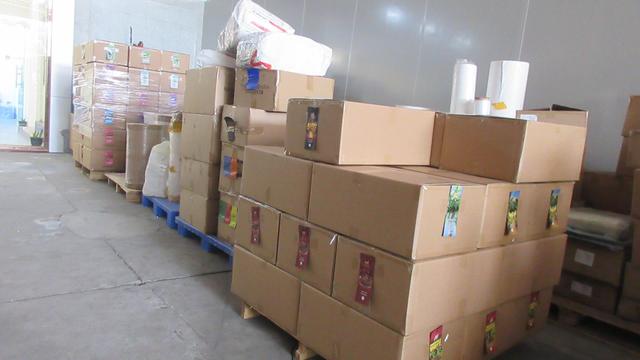
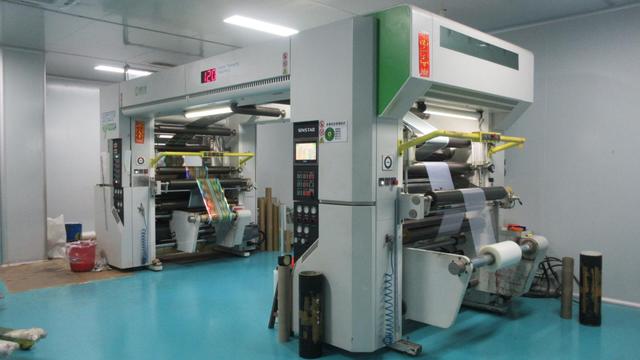
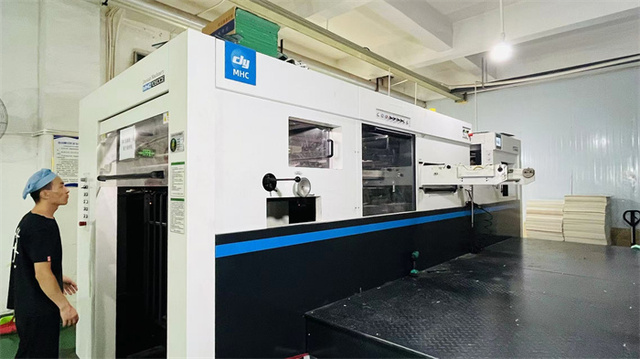
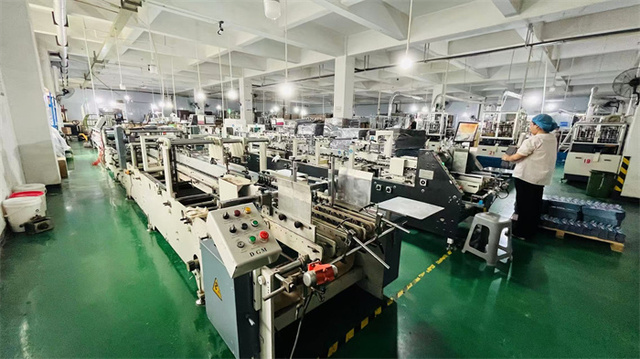
Explore inside Ningbo Nexa Machine Co., Ltd. where technology, precision engineering, and rigorous testing meet to deliver world-class packaging machinery.
Operating in global markets requires compliance with strict safety and technical standards. At Ningbo Nexa Machine Co., Ltd., we build our machines to meet international regulatory requirements, including CE certification for the European Union and UL-compliant electrical builds for North American clients.
We use high-grade 304/316 stainless steel for food-contact zones to meet sanitary standards. For medical applications, our machines can be calibrated to comply with cleanroom environments and sterile packaging protocols.
Through our network of industrial partners and distributors, we offer technical support, replacement parts, and engineering consultation in key regions. We stock standard wear parts (such as PTFE bands, heating elements, and drive belts) to ensure minimal downtime for your operations.
Get authoritative answers to your common technical and operational questions regarding industrial continuous band sealing systems.
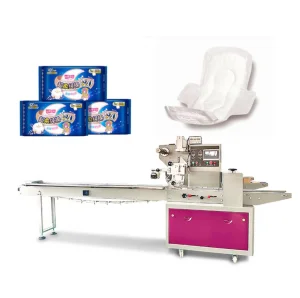
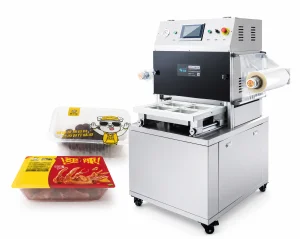
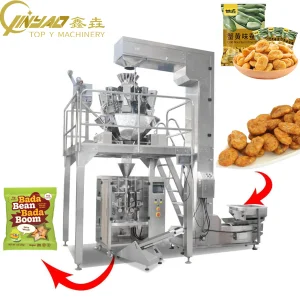
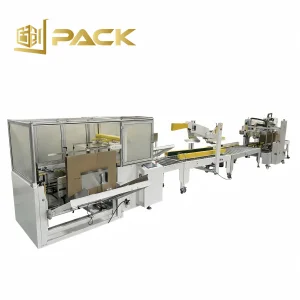
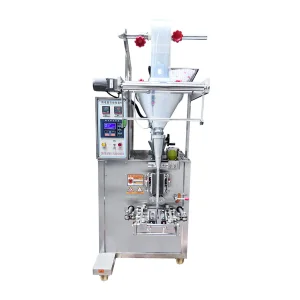
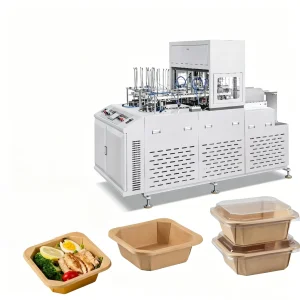
Explore additional specialized packaging systems from our production lines, including horizontal flow wrappers, vertical sealers, and high-speed box packers.
 Nexa Machine