Accelerating manufacturing efficiency through unified packing and inline marking technologies. Explore our direct factory solutions engineered for continuous operation.
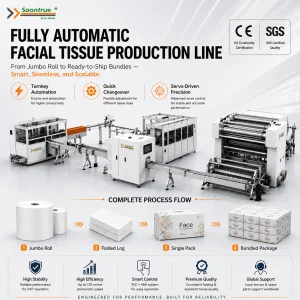
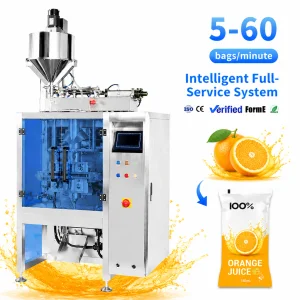
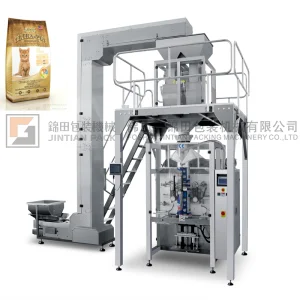
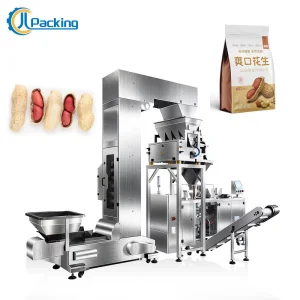
Analyzing market demands, traceability directives, and industrial integration capabilities in global manufacturing environments.
In modern industrial manufacturing pipelines, the role of inkjet coding machines has transitioned from basic date-stamping mechanisms to critical endpoints of the Industrial Internet of Things (IIoT). With global traceability frameworks such as the European Union's Falsified Medicines Directive (FMD), the US FDA's Drug Supply Chain Security Act (DSCSA), and global GS1 standards, physical packaging lines must execute micro-second variable coding with total precision.
China has solidified its position as the global hub for manufacturing high-reliability wholesale inkjet coding equipment. Chinese manufacturers have shifted away from producing simple clones of legacy Western printheads. Instead, they are driving advancements in printhead driver electronics, specialized eco-solvent ink chemistry, and high-frequency piezoelectric controls. Factories are developing integrated systems that couple primary and secondary packaging operations directly with continuous inkjet (CIJ), thermal inkjet (TIJ), and drop-on-demand (DOD) marking heads.
Direct fieldbus (EtherNet/IP, Modbus, OPC UA) interfacing with MES and ERP databases for dynamic serialization and anti-counterfeiting tracking.
Stainless steel enclosures rated up to IP66 and IP69K, designed to withstand rigorous washdown protocols in sanitary food processing facilities.
Optimized viscosity-monitoring algorithms and automated solvent-condensation systems that slash volatile organic compound emissions.
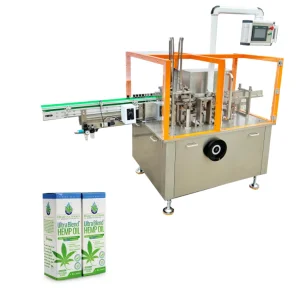
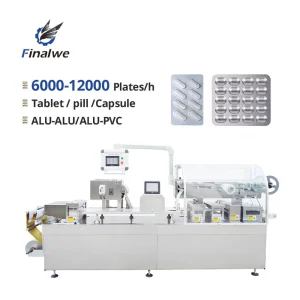
For high-throughput lines processing frozen food, beverages, pharmaceutical blister packs, or carton structures, an isolated coding step is a bottleneck. High-efficiency production requires that packaging machinery—such as vertical form-fill-seal (VFFS) systems, horizontal flow wrappers, and automatic cartoning machines—feature integrated mounting interfaces and synced controller clocks for coding devices.
This structural alignment guarantees that printing occurs at the exact point of web stabilization. Printing on raw roll stock before it undergoes folding or sealing prevents distortion of the printed code. It also allows the printhead to maintain a consistent gap of 1.5mm to 3.0mm, preventing ink splattering or ghosting.
Ningbo Nexa Machine Co., Ltd. plays a key role here. By designing high-speed, automated packaging systems that integrate with top-tier industrial coding systems, they ensure printheads function properly even during rapid stop-and-go packaging phases.
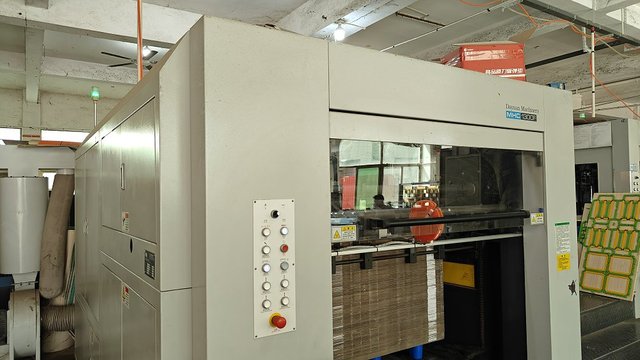
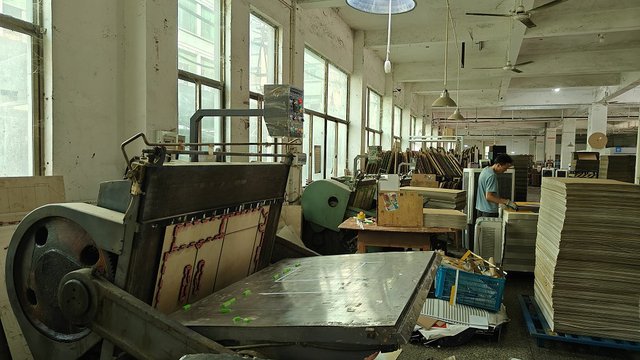
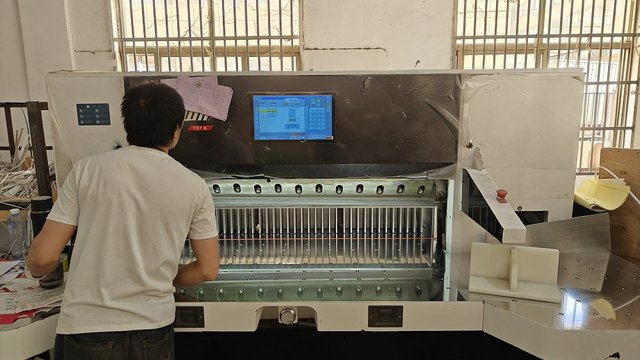
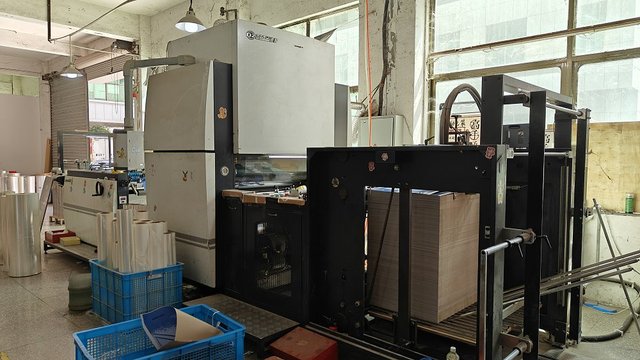
The migration path from simple binary logic to AI-assisted printhead calibration, eco-friendly inks, and sub-micron precision.
Current-generation CIJ platforms utilize pressurized reservoirs and piezoelectrically vibrated nozzles to break ink streams into millions of identical droplets per second. These droplets are selectively charged and deflected to form characters on substrates moving at speeds up to 10m/s. Integrated viscosity sensors monitor temperature-induced changes in real-time, automatically injecting make-up fluid to prevent nozzle blockages.
TIJ systems use thermal expansion to eject micro-droplets of ink. These systems are moving beyond basic porous substrate applications. By adopting quick-drying solvent inks, modern TIJ arrays can print directly on non-porous plastics (BOPP, PE, PET) at resolutions up to 600 DPI. This high resolution allows systems to encode complex DataMatrix symbols and high-density barcodes directly onto moving product lines.
Future coding architectures will incorporate machine vision modules directly downstream from the marking head. Real-time optical character verification (OCV) scanners read printed codes instantly, analyzing contrast and edge sharpness. The data feeds into an AI controller that adjusts printhead voltage, droplet formation frequency, and ink formulation on the fly. This closed-loop calibration maintains clean codes regardless of line speed fluctuations or ambient humidity shifts.
Tailoring coding operations to meet the mechanical, regulatory, and chemical demands of specific production environments.
High-speed primary food packaging lines run at high speeds and face temperature fluctuations that create condensation. Coding systems in these facilities use ketone-based, ultra-fast dry inks. These inks bond instantly with cold, wet plastic films (such as polyethylene or polypropylene) before the product enters blast-freezing tunnels. This fast bond prevents smearing and maintains legibility down to -25°C.
Pharmaceutical packaging requires clean, low-emission operations. Volatile organic compounds (VOCs) must be kept to a minimum in cleanroom environments. Solvent-free water-based inks and UV-curable formulations ensure compliance. High-resolution TIJ arrays print directly on medical-grade paper backing, Tyvek pouches, or carton flats, enabling total traceability through 2D GS1 DataMatrix codes.
In pipe and cable extrusion factories, lines run continuously for days. Inkjet systems here must print uninterrupted at high temperatures. Pigmented inks, including yellow and white pigments, are continuously agitated to prevent settling. Large-character DOD systems code on rough PVC, HDPE, and metal surfaces, resisting abrasion and UV degradation during outdoor storage.
Ningbo Nexa Machine Co., Ltd. is a leading China food packaging machine manufacturer specializing in the design, development, production, and supply of automatic packaging systems and integrated packaging solutions for the global food industry. With years of industry expertise and a commitment to technological innovation, Nexa Machine delivers reliable, efficient, and intelligent packaging equipment to customers worldwide.
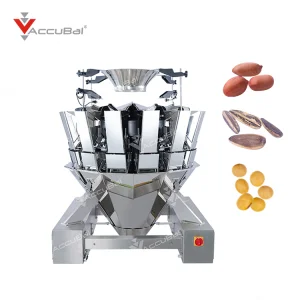
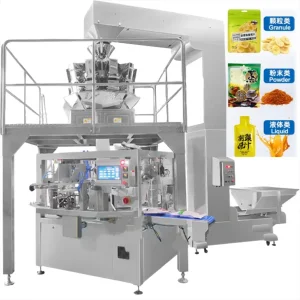
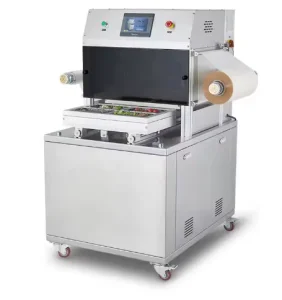
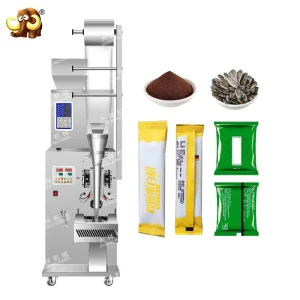
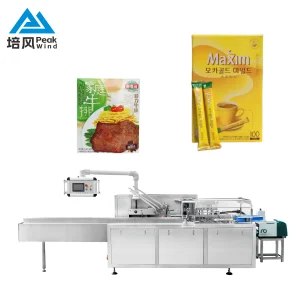
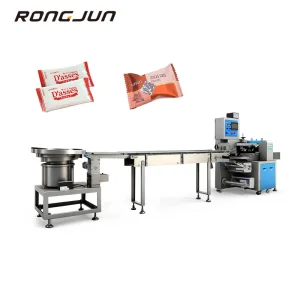
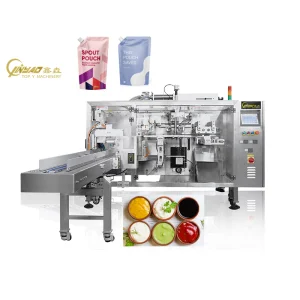
Our extensive product portfolio includes vertical form fill seal machines, vacuum packaging machines, pouch packaging systems, tray sealing machines, thermoforming packaging machines, sachet packaging machines, flow wrapping machines, cartoning machines, weighing and filling systems, and fully automated packaging lines. These solutions are widely used in the packaging of snacks, frozen foods, bakery products, confectionery, dairy products, powders, granules, liquids, pet food, and other food applications.
Driven by innovation, Ningbo Nexa Machine continuously invests in advanced manufacturing technologies and research and development capabilities. Our experienced engineering team develops high-performance packaging equipment featuring intelligent control systems, precise filling accuracy, stable operation, energy efficiency, and user-friendly interfaces to meet diverse production requirements.
Quality is the foundation of our success. Every machine is manufactured under strict quality control procedures and undergoes comprehensive testing before delivery to ensure outstanding reliability, safety, and long-term performance. In addition, we offer flexible OEM and ODM services, providing customized packaging solutions tailored to customers' specific production needs.
Serving clients across Europe, North America, South America, Southeast Asia, the Middle East, and Africa, Ningbo Nexa Machine Co., Ltd. has established long-term partnerships with food manufacturers, distributors, and industrial integrators worldwide.
Expert technical answers covering operations, fluid compatibility, and line integration.
Continuous Inkjet (CIJ) is designed for high-speed, continuous-run production lines, using a steady stream of ink droplets that can print onto irregular or curved surfaces with a throw distance of up to 20mm. Thermal Inkjet (TIJ) uses cartridge-based delivery for high-resolution prints (up to 600 DPI), making it ideal for barcode serialization and packaging lines that require neat, close-proximity printing (typically within 1-5mm of the target surface).
Modern China-manufactured industrial printheads incorporate an automated nozzle-flush cycle that clears residues with pure solvent during shutdown. Additionally, smart printhead control modules monitor viscosity and temperature levels, initiating micro-purge sequences during operation to prevent ink from drying inside the nozzle orifice.
Yes. Industrial inkjet marking systems support standard communication interfaces like TCP/IP, RS232, and Modbus. They can integrate with PLCs (such as Siemens, Allen-Bradley, or Mitsubishi) and connect directly to ERP/MES databases to retrieve dynamic batch data, timestamps, and localized tracking barcodes.
For non-porous plastics, BOPP bags, and metallized foil wraps, MEK (Methyl Ethyl Ketone) or acetone-based solvent inks are recommended. These inks dry in 0.5 to 1.5 seconds, adhering to the film surface before it encounters downstream friction or cooling rollers on the packaging machine.
Maintaining legibility at high speeds requires syncing the print cycle with rotary encoders on the conveyor. High-frequency piezoelectric printheads run at charging frequencies above 100 kHz, creating clean, well-spaced characters even during acceleration and deceleration phases.
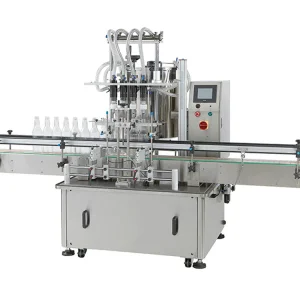
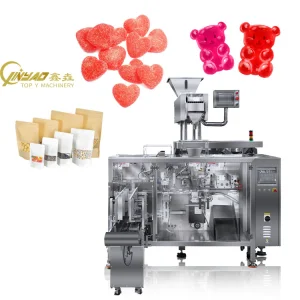
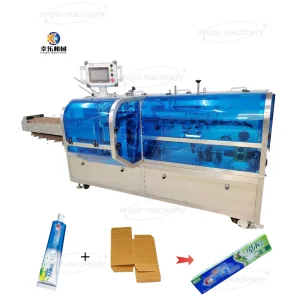
Our complete line of robust packaging equipment ready for direct factory integration with advanced coding and labeling systems.
 Nexa Machine