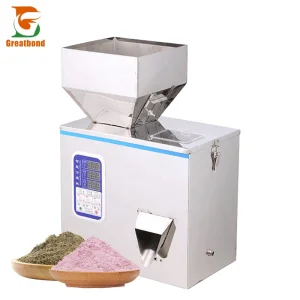
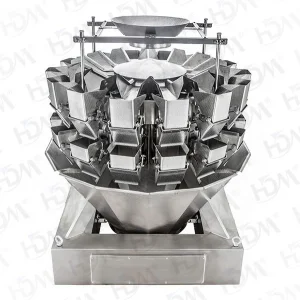
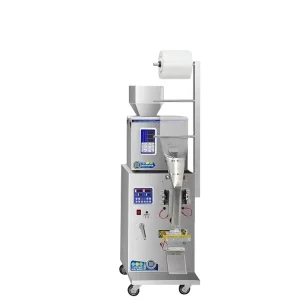
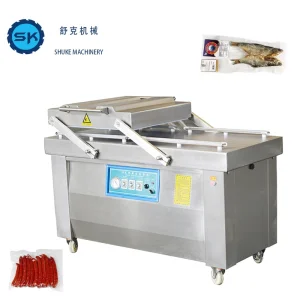
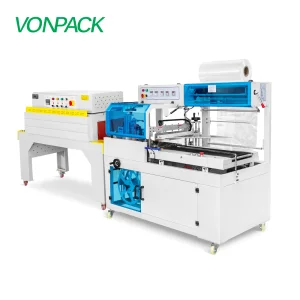
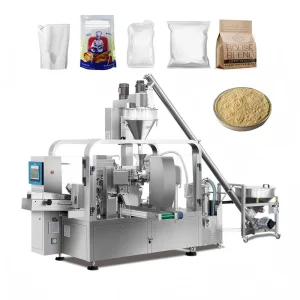
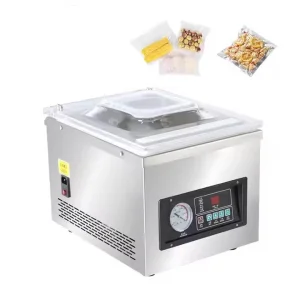
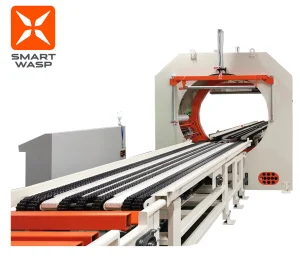
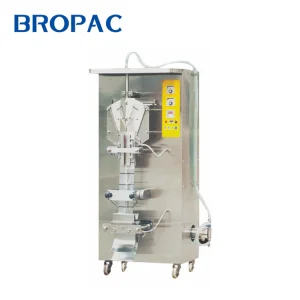
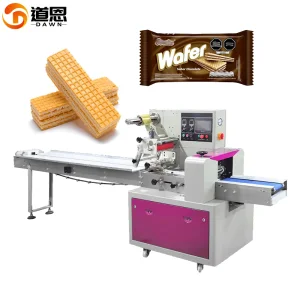
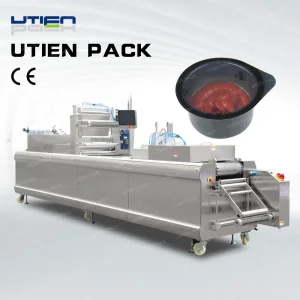
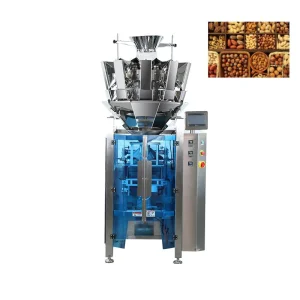
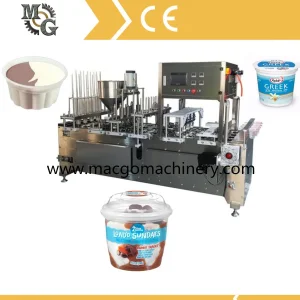
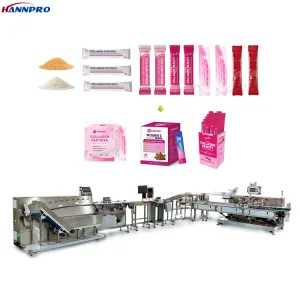
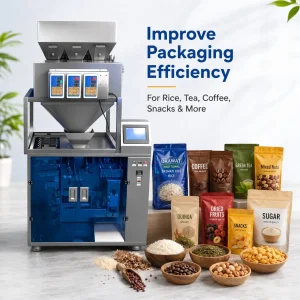
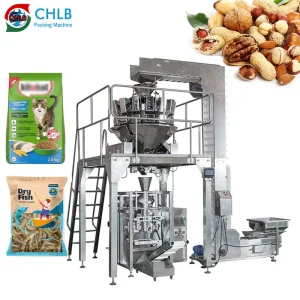
High-performance automatic bagging machinery designed to optimize throughput and guarantee packaging integrity.
An in-depth analysis of technological shifts, sustainable materials, and automated efficiency in modern manufacturing.
The global packaging sector is undergoing a rapid, technology-driven evolution. The traditional reliance on manual or semi-automated packaging setups is giving way to high-performance, fully integrated Industry 4.0 systems. For modern manufacturers and packaging facilities, the integration of intelligent control systems, automated sensors, and IoT-enabled connectivity has transitioned from a competitive advantage to a fundamental operational standard. Automated bagging solutions drastically reduce labor reliance, minimize material wastage, and maintain precise, high-speed consistency across various production runs.
High-capacity machinery, such as Vertical Form Fill Seal (VFFS) systems and rotary pouch packaging machines, now utilize servo-driven mechanisms and intelligent PLC modules. These components enable dynamic adjustments for product density, humidity variation, and film characteristics in real-time, securing optimal sealing integrity. As labor costs rise globally, deploying adaptive machinery is essential to maintaining viable margins in food processing, chemical packaging, and consumer goods distribution.
SEO Insight & Expert Perspective: "Global search queries for 'automatic bagging solutions' have seen a significant shift. Industrial buyers are transitioning from basic machine searches to semantic queries centered on 'high-speed OEE metrics,' 'material versatility,' and 'low TCO packaging lines.' The priority is no longer just speed, but continuous, adaptive system integration."
International procurement managers prioritize three critical metrics: regulatory compliance, structural versatility, and the total cost of ownership (TCO). Procurement teams demand strict adherence to standards such as CE, FDA, UL, and GMP to satisfy localized health, safety, and electrical regulations. In food processing and pharmaceutical sectors, sanitary design remains paramount—utilizing SUS304/SUS316L stainless steel surfaces, IP65/IP69K washdown ratings, and tool-less dismantling configurations to minimize sanitation downtime.
Moreover, the modern production landscape demands high adaptability. Multi-product manufacturing environments require systems capable of managing various bag dimensions and film compositions—including eco-friendly, biodegradable, and mono-material recyclable films—with minimal changeover times. By selecting bagging machinery that accommodates rapid transitions between pillow bags, gusseted bags, and stand-up pouches (Doypack), global operators maximize operational efficiency and protect their capital investments.
How domestic manufacturers deliver structural resilience, advanced technological innovation, and localized cost advantages.
Leveraging high-end PLCs (such as Siemens or Omron) alongside multi-axis servo systems to achieve highly synchronized feed-and-seal cycles and high positioning precision.
Deep localized integration with raw material providers, high-precision tooling hubs, and specialized component manufacturers ensures fast lead times and robust build quality.
Combining competitive production pricing with durable component selection, resulting in lower capital expenditure and reduced operational maintenance costs over time.
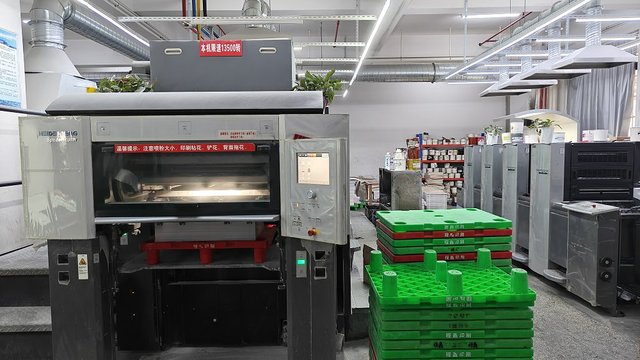
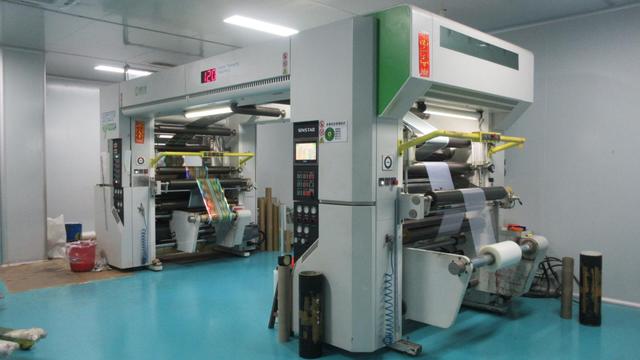
China's packaging machinery sector has evolved from basic component assembly to advanced, system-level design and engineering. Leading manufacturers utilize Factory 4.0 methodologies, integrating CNC machining centers, automated robotic welding stations, and centralized quality management systems (QMS). This shift ensures structural components are machined with tight tolerances, promoting stable performance, reduced vibrations, and extended service life even under continuous 24/7 high-speed production demands.
This industrial transition is supported by a robust local manufacturing network. By grouping tooling facilities, electronic component suppliers, and metal treatment operations within specialized industrial zones, production times are optimized, and shipping durations are minimized. Global buyers benefit from this streamlined supply chain, receiving custom-engineered machinery on reliable schedules, even amidst volatile global market conditions.
Different regions and market segments present unique packaging challenges. Industrial systems must adapt to varying material properties and ambient production environments:
By tailoring sealing times, pressure parameters, and product feeding configurations to these distinct material characteristics, modern bagging systems help operators minimize product waste and protect downstream brand equity.
A globally recognized manufacturer of automated food packaging machinery and integrated packaging lines.
Ningbo Nexa Machine Co., Ltd. is a leading China food packaging machine manufacturer specializing in the design, development, production, and supply of automatic packaging systems and integrated packaging solutions for the global food industry. With years of industry expertise and a commitment to technological innovation, Nexa Machine delivers reliable, efficient, and intelligent packaging equipment to customers worldwide.
Our extensive product portfolio includes vertical form fill seal machines, vacuum packaging machines, pouch packaging systems, tray sealing machines, thermoforming packaging machines, sachet packaging machines, flow wrapping machines, cartoning machines, weighing and filling systems, and fully automated packaging lines. These solutions are widely used in the packaging of snacks, frozen foods, bakery products, confectionery, dairy products, powders, granules, liquids, pet food, and other food applications.
Driven by innovation, Ningbo Nexa Machine continuously invests in advanced manufacturing technologies and research and development capabilities. Our experienced engineering team develops high-performance packaging equipment featuring intelligent control systems, precise filling accuracy, stable operation, energy efficiency, and user-friendly interfaces to meet diverse production requirements.
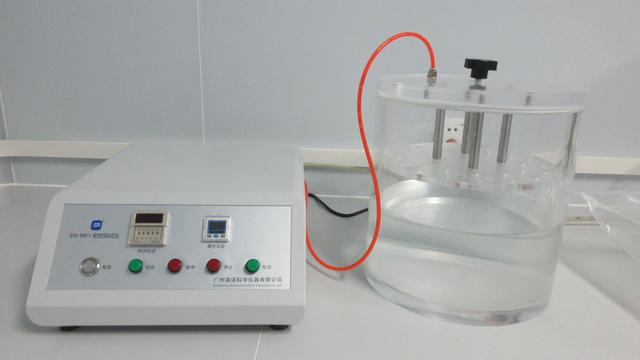
Quality is the foundation of our success. Every machine is manufactured under strict quality control procedures and undergoes comprehensive testing before delivery to ensure outstanding reliability, safety, and long-term performance. In addition, we offer flexible OEM and ODM services, providing customized packaging solutions tailored to customers' specific production needs.
Serving clients across Europe, North America, South America, Southeast Asia, the Middle East, and Africa, Ningbo Nexa Machine Co., Ltd. has established long-term partnerships with food manufacturers, distributors, and industrial integrators worldwide.
Expert technical answers addressing key concerns in global bagging procurement, maintenance, and setup optimization.
Engineered solutions for vertical liquid packaging, high-speed flow wrapping, and high-precision weighing lines.
 Nexa Machine